A Harbor Community Between Two Rivers
Port Charlotte is not an incorporated city. It is an unincorporated community and census-designated place in Charlotte County, sitting at the north end of the Charlotte Harbor estuary, northwest of Punta Gorda. With about 60,000 residents, it is the county's most populous community, and Charlotte County government handles its emergency management, permits and flood information.
The Peace and Myakka rivers both empty into Charlotte Harbor, and the community itself is laced with residential canals. Elevation averages around 10 feet. Charlotte County lists its main flood sources as tropical storms and hurricanes, heavy rainfall, upstream rain that pushes the rivers higher, and coastal surge or extremely high tides.
Much of Port Charlotte was built from scratch in the 1950s, when the General Development Corporation turned mostly empty land into a planned community. Today homes from that era sit alongside much newer construction, and each ages differently when water gets inside.
Charley and Ian: When Wind Did the Damage
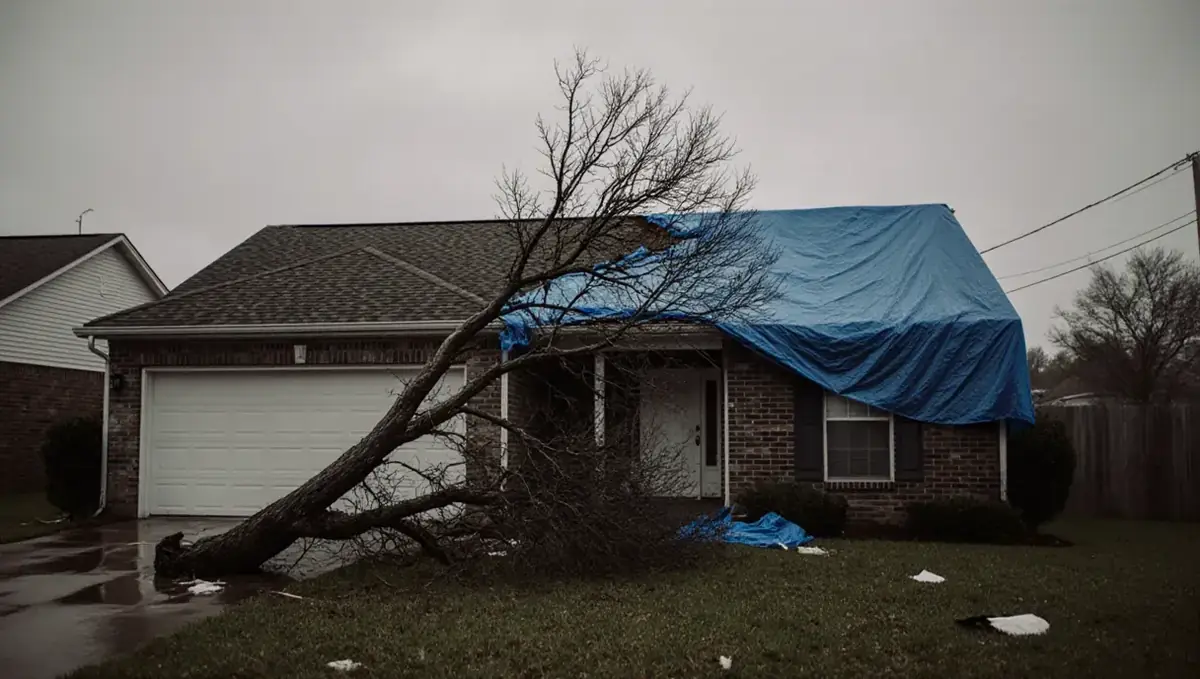
Port Charlotte's storm history is written mostly in wind. On August 13, 2004, the eyewall of Category 4 Hurricane Charley struck Punta Gorda and Port Charlotte, and the National Hurricane Center described catastrophic wind damage across Charlotte County.
Hurricane Ian followed a similar pattern in 2022. Southeastern Port Charlotte passed through the eye, and damage was mostly wind-related. At least 200 homes were destroyed in Charlotte County, and both the Port Charlotte and Mid-County libraries had to close for repairs.
When a roof is breached, rain can soak attic insulation, ceilings and walls long after the wind stops. That is why storm damage cleanup in Port Charlotte often starts on top of the house: tarping the roof, then drying everything below it. Learn more about storm damage cleanup.
Surge Up the Harbor in 2024
The 2024 season added water to the wind. Hurricane Helene passed offshore in late September, and the National Weather Service tallied 8 structures destroyed, more than 1,900 with major damage and over 750 with minor damage across Charlotte County.
Thirteen days later, Hurricane Milton pushed an estimated 5 to 8 feet of surge inundation into the northern part of Charlotte Harbor and along the Peace River. Waterfront and canal-side homes can take on saltwater quickly in an event like that, and surge water should always be treated as contaminated.
Charlotte County cautions that storm surge does not track neatly with a hurricane's category, so a weaker storm can still flood low areas. For flood cleanup in Port Charlotte, expect wet drywall, insulation and flooring to be removed, followed by cleaning, sanitizing and controlled drying.
Your First Moves When Water Comes In
- Put safety ahead of belongings. If water is near outlets or the electrical panel, do not wade in. Downed lines outside are a separate danger after wind storms.
- Shut off the supply. For a broken pipe or water heater, close the main valve near the meter or where the line enters the house.
- Cover what you safely can. A tarp over a damaged roof section or a towel dam at a doorway can slow further damage. Never climb onto a wet roof.
- Record the damage. Photos and video of every room, the ceiling and the outside of the house will support your claim.
- Separate wet from dry. Move rugs, electronics and paperwork out of the affected area.
Then call (888) 817-5061. WaterQ is a free referral line, and we connect you with a local company that can begin water extraction and inspect the structure.
Inside the Restoration Process
A water damage restoration job in Port Charlotte usually moves through four stages.
1. Emergency protection
Roof tarps, board-up and removal of standing water keep the loss from growing.
2. Assessment
Crews classify the water (clean Category 1 from a supply line, or contaminated Category 3 from surge or flooding) and map moisture with meters and thermal imaging.
3. Drying
Dehumidifiers and air movers run while daily readings track progress. Ceilings soaked from a roof leak may need to come down so the attic and framing can dry.
4. Repairs
Water damage repair covers replacing drywall, insulation, flooring and trim. Ask any provider to explain its licensing, insurance coverage and training, for instance IICRC credentials, so you know who is working on your house.
Keeping Mold in Check in a Humid County
A leak in a closed-up house during a summer power outage is an ideal setting for mold. Following EPA guidance, growth can begin on damp materials within 24 to 48 hours, so drying should start as soon as conditions allow.
Florida's DBPR licenses mold assessors and mold remediators as two separate professions. By the statute's definitions, those licenses apply to assessing or remediating more than 10 square feet of mold. For mold removal in Port Charlotte beyond that size, search both the assessor and the remediator by name or license number on MyFloridaLicense.com before work starts.
See how containment and air filtration work on our mold removal page.
Zones, Alerts and Insurance Paperwork
- Find your evacuation zone. Charlotte County uses zones A (Red) through E (Purple). Because the county is low and surrounded by water, shelters may not open locally, so plan where you would go.
- Sign up for Alert Charlotte. It is the county's emergency notification system.
- Buy flood coverage early. Homeowners policies generally exclude flood, and a new NFIP policy usually has a 30-day waiting period. Flood insurance is required in Special Flood Hazard Areas for federally backed mortgages.
- Watch the deadlines. Florida Statute 627.70132 gives policyholders 1 year from the date of loss to report a new or reopened claim, and 18 months for a supplemental claim.
- Citizens customers. Under the phase-in, Citizens personal residential policies that include wind coverage must also have flood insurance by January 1, 2027.
WaterQ can't speak for any insurer. For water damage restoration help, call (888) 817-5061 and be connected with a provider who keeps detailed drying records.
Port Charlotte Areas and Neighboring Charlotte County Communities
WaterQ connects callers throughout unincorporated Port Charlotte and nearby communities around Charlotte Harbor with independent local restoration providers.
Neighborhoods
- Murdock
- West Port (former Murdock Village)
- Tamiami Trail (US 41) corridor
- State Road 776 corridor
- Edgewater Drive / Flamingo Boulevard area
- Peace River waterfront
- Charlotte Harbor shoreline
Nearby communities
- Punta Gorda
- Charlotte Harbor
- Harbour Heights
- Deep Creek
- El Jobean
- North Port
- Englewood
- Venice
- Arcadia
- Cape Coral
Port Charlotte Water Damage FAQ
Is Port Charlotte a city?
No. Port Charlotte is an unincorporated community and census-designated place in Charlotte County. County government handles emergency management, evacuation zones and flood information for residents.
Can a weaker hurricane still flood my Port Charlotte home?
Yes. Charlotte County notes that storm surge does not correlate with a storm's category. Check your evacuation zone with the county's Know Your Zone map and follow official orders.
What should I do first about a roof leak after a storm?
Stay off the roof, move belongings away from the drip, photograph the damage and get the roof tarped by a professional. Wet ceilings and attic insulation usually need prompt drying or removal.
Do I need a licensed mold remediator in Florida?
For mold jobs over 10 square feet, Florida requires DBPR mold licenses for the assessor and the remediator. You can verify both on MyFloridaLicense.com.
Who actually does the work when I call WaterQ?
An independent local restoration company. WaterQ is a free referral service available 24/7 that connects you with that company, which then handles the inspection, estimate and work.
Local emergency and flood resources
Official sources for alerts, flood maps and preparedness in and around Port Charlotte: