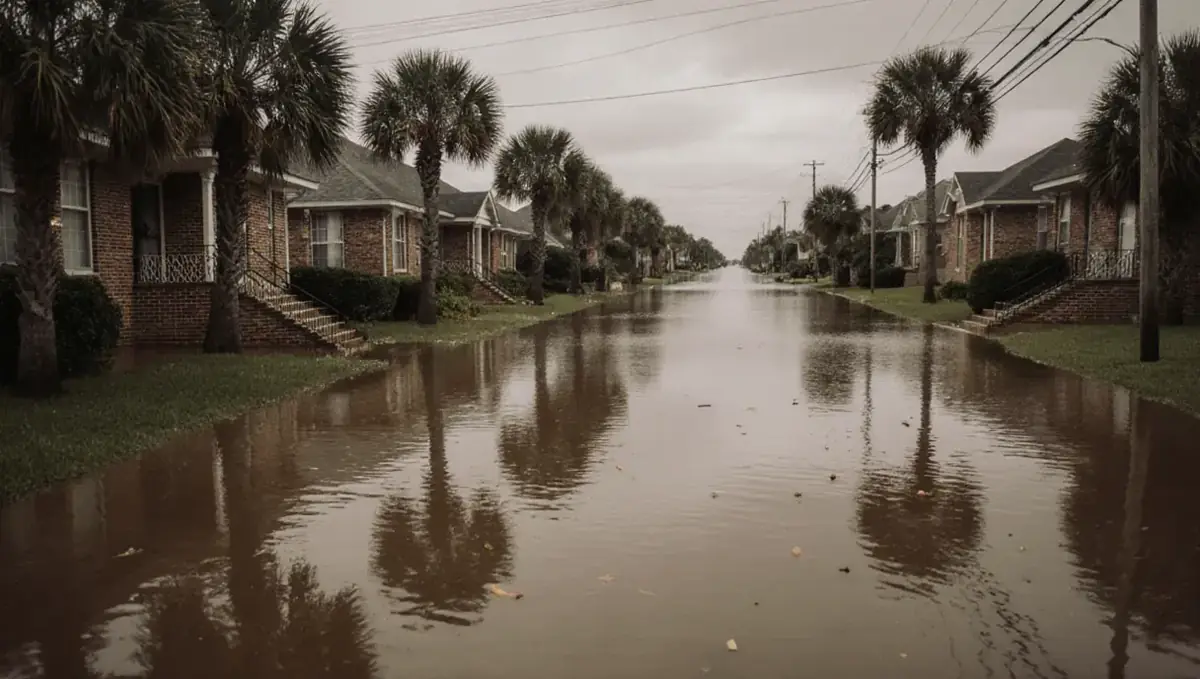
Living With 165 Miles of Waterways
Fort Lauderdale earned the nickname "Venice of America" for a reason. Roughly 165 miles of inland waterways wind through the city, from the New River and Middle River to the Intracoastal Waterway and the residential canals behind thousands of homes. The city sits at an elevation of about 7 feet, and city officials note that most residents live less than five feet above sea level.
That geography shapes almost every water damage call here. Three sources come up again and again:
- Intense rain. Wet-season thunderstorms from May through October can drop water faster than streets and storm drains can carry it away.
- Tidal water. The city says its highest tides usually arrive in September, October and November, and neighborhoods such as Victoria Park, Southeast Isles and Middle River Terrace are prone to tidal flooding.
- Everyday plumbing failures. Water heaters, washing machine hoses and slab or supply line leaks cause damage regardless of the weather.
For any of these, a search for water damage Fort Lauderdale help should start with stopping the source and getting standing water out quickly.
What the April 2023 Deluge Taught Broward Homeowners
On April 12, 2023, a thunderstorm stalled over the city and produced rain rates of more than 3 inches per hour for long stretches. Fort Lauderdale recorded 25.91 inches, its highest single-day rainfall total on record, and Fort Lauderdale-Hollywood International Airport closed until April 14.
The city's disaster recovery plan reports that more than 1,100 homes were damaged, and 766 had major flood damage with more than 18 inches of water inside. Edgewood, in southwest Fort Lauderdale, logged 480 reports of major property damage, more than any other neighborhood. River Oaks, Melrose Park, Melrose Manors, Durrs and Progresso Village were also hit hard.
The lesson for homeowners is that you do not need a hurricane to flood here. A single stalled storm can put water into homes well away from the beach. If it happens to you, flood cleanup should treat that water as contaminated, because rainwater moving across streets and yards picks up sewage, fuel and debris.
Seawalls, Tidal Valves and Water That Comes Up From Below
Canal-front living brings its own maintenance list. The city now requires new seawalls to be built to a minimum top elevation of 5 feet, and it maintains about 215 tidal valves that let rainwater drain out while keeping tidal saltwater from pushing back onto neighborhood streets.
Even with those measures, a heavy downpour during a high tide can leave drainage with nowhere to go. Water can then reach garages, ground-floor rooms and patios. A few practical steps help:
- Check your address in the city's GIS Flood Zones app. High-risk zones here include AE, AO and AH, plus VE along the coast.
- Inspect your seawall and any cracks or gaps where water seeps through during king tides.
- Report clogged drains or impassable roads to the city's Customer Support Center at 954-828-8000 or through FixIt FTL.
The city's king tide page lists predicted high-tide periods for the year.
Your First Moves When Water Gets Inside
- Put safety first. Stay out of standing water near outlets or appliances, and only shut off breakers if you can reach the panel without stepping into water.
- Close the valve. For a plumbing leak, shut the main or the fixture shutoff. Learn where your main is before you need it.
- Identify what kind of water it is. Clean supply line water (Category 1) can become dirtier over time. Floodwater and tidal water should be handled as Category 3 and kept away from children and pets.
- Photograph everything. Capture the source, the water line on walls and each damaged item before moving it.
- Protect what you can. Move electronics, papers and rugs off wet floors and set furniture on blocks.
- Bring in a professional. Call (888) 817-5061 and we will connect you with a local company that offers emergency water extraction.
Inside a Fort Lauderdale Drying and Repair Job
Professional water damage restoration in Fort Lauderdale typically follows a clear order of work, though each home is different.
Removing the water
Crews use pumps and extractors to pull standing water from floors, carpet and pad. Getting bulk water out quickly limits how far it wicks into drywall, baseboards and cabinets.
Finding hidden moisture
Moisture meters and thermal cameras show where water has traveled behind walls and under tile. These readings guide the drying plan and support your insurance claim.
Drying the structure
Dehumidifiers and air movers run until materials reach dry standards. In South Florida's humidity, structural drying leans heavily on dehumidification, and soaked drywall or insulation is often removed so wall cavities can dry.
Putting the home back together
After moisture readings confirm the structure is dry, water damage repair covers drywall, flooring, trim and cabinetry. Before you sign, ask the company about its licensing, insurance and training, such as IICRC certification.
Hurricane Season and Storm Damage Cleanup Near the Coast
Atlantic hurricane season runs June 1 through November 30. Hurricanes have affected Fort Lauderdale since its early days, and the 1926 Great Miami Hurricane disrupted the city's first building boom. Tropical Storm Eta in November 2020 also flooded streets and neighborhoods across Broward County, and the city later sped up drainage design work in Melrose Manors.
After a storm, storm damage cleanup in Fort Lauderdale often combines several problems at once: rain driven through damaged roofs or windows, flooding at ground level and power outages that delay drying. Tarping roofs, removing wet materials and sanitizing flooded areas usually come first. Learn more about storm damage cleanup, and check Broward County's evacuation information before each season.
Mold Cleanup and Florida License Checks
EPA guidance says mold can begin to grow on wet materials within 24 to 48 hours. With Fort Lauderdale's heat and humidity, a wet wall cavity or a damp carpet pad left alone for a few days is an easy place for it to take hold.
In Florida, the Department of Business and Professional Regulation (DBPR) issues separate licenses for mold assessors, who inspect and test, and mold remediators, who do the cleanup. The statute ties that license to jobs covering more than 10 square feet of mold, which describes many Fort Lauderdale flood or leak cases once walls are opened. For mold removal in Fort Lauderdale on a larger job, look up the assessor and the remediator on MyFloridaLicense.com before work begins.
Read more about mold removal and why containment matters during cleanup.
Claims, Flood Policies and Paperwork
Insurance often decides how quickly a home gets back to normal, so keep careful records from the start.
- Flood needs its own policy. A typical homeowners policy leaves out flood, so the April 2023 kind of damage is usually paid through an NFIP or private flood policy. Expect a 30-day wait before most new NFIP policies take effect.
- Florida deadlines. Florida Statute 627.70132 gives you 1 year from the date of loss to notify your insurer of a new or reopened property claim, and 18 months for a supplemental one, but there is no benefit to waiting.
- Citizens policyholders. If Citizens insures your Fort Lauderdale home with wind coverage, plan on carrying flood insurance too, since that requirement applies to all such personal residential policies by January 1, 2027.
- Save the drying records. Moisture logs, photos and invoices from the restoration company all support your file.
Condo associations, landlords and business owners along Las Olas or downtown can use the same line. Call (888) 817-5061 any time, day or night, to be connected with a local restoration company. Neighbors to the south in Hollywood and north in Pompano Beach can call too.
Fort Lauderdale Neighborhoods and Broward Communities Served
Our free referral line connects residents and property managers throughout Fort Lauderdale and nearby Broward County cities with independent local restoration providers.
Neighborhoods
- Downtown
- Las Olas Isles
- Victoria Park
- Rio Vista
- Sailboat Bend
- Flagler Village
- Coral Ridge
- Harbor Beach
- Middle River Terrace
- Hendricks Isle
- Edgewood
- River Oaks
- Melrose Manors
- Melrose Park
- Durrs
- Progresso Village
Nearby communities
- Wilton Manors
- Oakland Park
- Tamarac
- Plantation
- Dania Beach
- Davie
- Lauderdale-by-the-Sea
- Lauderhill
- Sunrise
Fort Lauderdale Water Damage FAQ
Why do Fort Lauderdale streets flood on sunny days in the fall?
The city says its highest tides usually come in September, October and November. During these king tides, water can rise through storm drains and over low seawalls in neighborhoods such as Victoria Park, Southeast Isles and Middle River Terrace, even without rain.
Which Fort Lauderdale neighborhoods were hit hardest in the April 2023 flood?
City recovery documents name Edgewood as the hardest hit, with 480 reports of major property damage. River Oaks, Melrose Park, Melrose Manors, Durrs and Progresso Village were also heavily affected.
How do I find out my flood zone in Fort Lauderdale?
The City of Fort Lauderdale offers a GIS Flood Zones app, and FEMA's Map Service Center shows the effective flood maps. High-risk zones in the city include AE, AO, AH and coastal VE.
Do I need a licensed company for mold cleanup in Florida?
Florida's DBPR licenses mold assessors and mold remediators, and under the statute the license applies to jobs involving more than 10 square feet of mold. You can verify a license on MyFloridaLicense.com.
Is WaterQ a restoration company?
No. WaterQ is a free referral service. When you call, we connect you with an independent, local restoration company that inspects the damage and does the work. The line is open 24/7.
Local emergency and flood resources
Official sources for alerts, flood maps and preparedness in and around Fort Lauderdale: