A Small City Split by the Continental Divide
Decatur covers only about 4.6 square miles, yet the Eastern Continental Divide runs right through it along the CSX rail line. Rain that falls on one side heads toward Peachtree Creek and the Chattahoochee, while rain on the other side drains toward the South River basin. The city sits around 1,043 feet above sea level, so the problem here is not rising tides. It is how quickly runoff from roofs, streets and driveways collects in low yards, small streams and storm drains.
Decatur is also densely built, with more than 11,000 housing units packed into a fully urbanized footprint. Less open ground means more water moving across pavement during heavy storms. The city has FEMA-mapped floodplains, last revised in August 2019, and it has used federal mitigation grants to buy out flood-prone homes on Westchester Drive and Willow Lane and turn those lots into greenspace.
That history is a useful reminder: water damage in Decatur can come from a cloudburst as easily as from a failed pipe.
Older Neighborhoods, Newer Plumbing Problems
Decatur is known for its historic districts, from the MAK Historic District and Winnona Park to Ponce de Leon Court, Clairemont and the blocks around Agnes Scott College. Older houses often have been renovated many times, so plaster walls may sit next to modern drywall, and original wood floors may hide newer subfloor patches. Water behaves differently in each material, which affects how a restoration crew plans the drying.
Plumbing and appliance failures are among the most common causes of indoor water damage anywhere: a cracked supply line, a leaking water heater, a dishwasher hose or a slow drain leak behind a vanity. Cold snaps add another risk. During the Christmas 2022 freeze, metro Atlanta stayed below freezing for three days with a low of 8 degrees, and burst pipes and sprinkler lines flooded apartments and businesses across the region.
If your home is in a historic district, tell the restoration company up front. It can help them decide which materials to dry in place and which may need careful removal.
What to Do in the First Hour in Your Decatur Home
- Shut off the water. Close the main valve, usually near where the line enters the house or at the meter. Water service in Decatur comes from DeKalb County Watershed Management, so report a broken main or meter problem to the county.
- Stay clear of electrical risks. Keep out of standing water near outlets, appliances and extension cords. Shut off breakers only if you can reach the panel while standing on dry ground.
- Judge the water. A clean supply line is Category 1. Sewer backups and outdoor floodwater are Category 3 and should be treated as contaminated.
- Photograph before you move things. Capture the source, the waterline on walls and every damaged item.
- Protect what you can. Pull rugs, books and electronics out of wet rooms and set furniture on blocks or foil.
- Call for help. Our line at (888) 817-5061 is available 24/7 and connects you with a local restoration professional who can start emergency water extraction.
Inside a Professional Dry-Out
Water damage restoration in Decatur generally follows the same steps a reputable company would use anywhere, adjusted for your building.
Removing standing water
Portable or truck-mounted extractors pull water from carpet, pad and hard floors. Getting bulk water out quickly limits wicking into baseboards, cabinets and plaster.
Finding hidden moisture
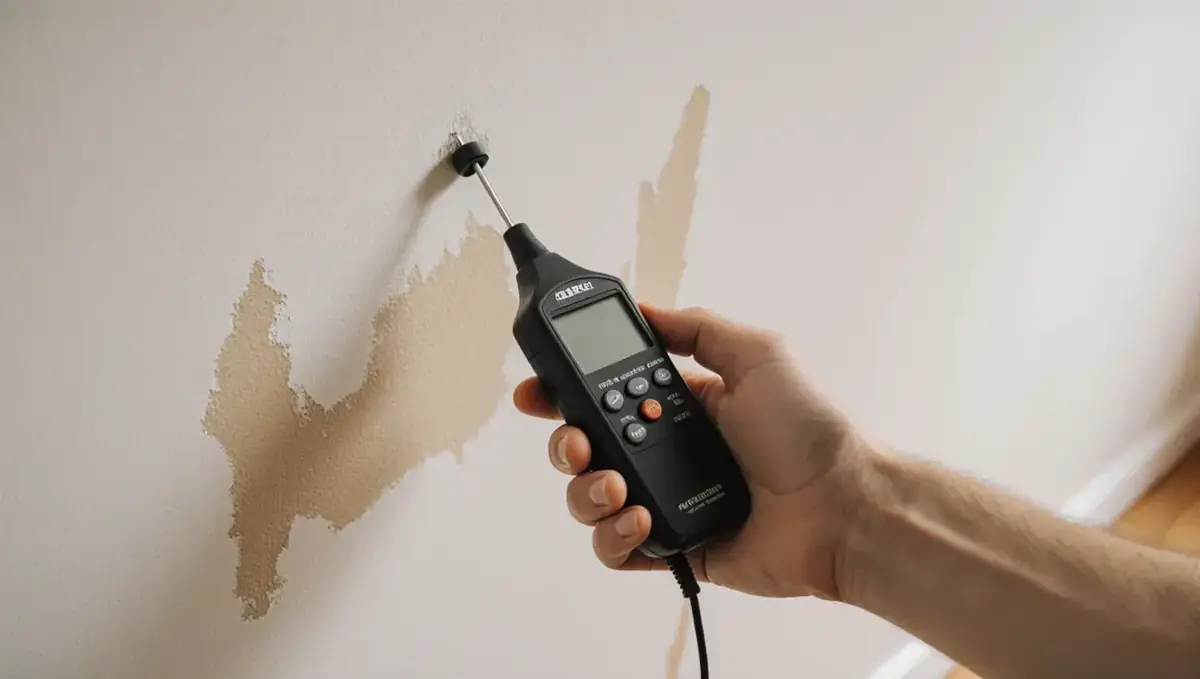
Moisture meters and thermal cameras show where water traveled under flooring or inside wall cavities. Those readings set the drying goals and become part of your insurance file.
Drying and dehumidifying
Air movers and dehumidifiers run, with daily readings, until materials return to normal levels. Georgia's humid summers make dehumidification especially important. Learn more about structural drying.
Putting the house back together
Once materials are confirmed dry, water damage repair covers drywall, flooring, trim and cabinetry. Georgia's State Licensing Board for Residential and General Contractors licenses contractors, and you can look one up by name or number at verify.sos.ga.gov before signing a reconstruction contract.
Heavy Rain, Tropical Remnants and Storm Cleanup
Decatur is far inland, but tropical systems still reach it. When Helene moved through in September 2024, Atlanta recorded 11.12 inches of rain in 48 hours, a record. In September 2009, 10 to 20 inches fell in under 24 hours in parts of the metro, and DeKalb County was among the counties declared a federal disaster area.
Storms bring two kinds of trouble. Surface water can pour into basements, garages and ground-floor rooms, and wind can bring branches or whole trees down on roofs, letting rain inside. Flood cleanup in Decatur usually means removing soaked materials, cleaning and sanitizing, then drying. Storm damage cleanup often starts with tarping a roof opening before interior drying can begin.
Never drive through a flooded road. Sign up for DeKalb Alert, or text DEKALBALERT to 67283, to get weather and emergency notices.
Mold After a Leak: Georgia's Rules and Your Options
EPA guidance notes that mold can start growing on wet materials within 24 to 48 hours, and a slow leak inside a wall can go unnoticed far longer than that. Musty smells, bubbling paint and soft drywall are common warning signs.
Georgia does not appear to have a state license specifically for mold assessors or remediators, according to an industry roundup of state requirements, though we did not find an official Georgia agency statement confirming this. Because of that, it is worth asking any company for third-party certifications such as IICRC, written moisture readings before and after the work, and a general contractor license if rebuilding is involved.
Professional mold removal typically uses containment and air filtration so spores are not spread into clean rooms during demolition.
Flood Zones, Discounts and Insurance Paperwork
- Check your floodplain status. The city's Design, Environment & Construction Division offers free floodplain assessments, and an official determination letter costs $10. Elevation certificates for permitted floodplain properties are kept on file there.
- Ask about the discount. Decatur is a Class 7 community in FEMA's Community Rating System, which the city says means about a 15 percent discount on the typical cost of flood insurance.
- Know what is covered. Standard homeowners policies generally exclude flood. Flood coverage comes from an NFIP or private policy, and NFIP policies typically take 30 days to take effect.
- Keep a clear record. Save photos, moisture logs, receipts and the drying report from the restoration company.
WaterQ cannot predict how an insurer will decide a claim. Good documentation simply makes the process smoother. When you are ready, call (888) 817-5061.
Help for Decatur Businesses and Rental Properties
Businesses around Decatur Square, offices, churches and multifamily buildings all face the same core risks as homes, with more people affected when something goes wrong. A single sprinkler line or water heater failure can soak several suites or units at once.
Property managers can use the same 24/7 line to be connected with a commercial restoration provider who can work around business hours and document each affected space separately. Nearby properties in Tucker and Atlanta are served by the referral line as well.
Decatur Neighborhoods and Surrounding DeKalb Communities
WaterQ's free referral line connects callers throughout the City of Decatur and nearby DeKalb County and intown Atlanta communities with independent restoration companies.
Neighborhoods
- Downtown Decatur
- Oakhurst
- Winnona Park
- MAK Historic District
- Clairemont
- Great Lakes
- Ponce de Leon Heights
- Ponce de Leon Court
- Decatur Heights
- College Heights
- Chelsea Heights
- Glennwood Estates
- Lenox Place
- Midway Woods
- Parkwood
- Ridgeland Park
- Sycamore Street
- Westchester Hills
- Adair Park
- Dearborn Heights
Nearby communities
Decatur Water Damage FAQ
How do I find out if my Decatur property is in a floodplain?
The City of Decatur's Design, Environment & Construction Division offers free floodplain assessments, and an official floodplain determination letter costs $10. You can also look up your address on the FEMA Flood Map Service Center.
Is there a flood insurance discount in Decatur?
Yes. Decatur is a Class 7 community in FEMA's Community Rating System, which the city says provides about a 15 percent discount on the typical cost of flood insurance.
Who do I contact about a broken water main or meter in Decatur?
Water and sewer service in Decatur is provided by DeKalb County's Department of Watershed Management, so contact the county. For water already inside your home, shut off your main valve and call a restoration company.
Do mold remediators need a Georgia state license?
According to an industry roundup, Georgia does not have a state license specifically for mold remediators, though this has not been confirmed by an official state source. Ask for certifications such as IICRC and written moisture readings before and after the work.
Is WaterQ the company that does the restoration work?
No. WaterQ is a free referral service. Calling connects you with an independent, local restoration company, and that company handles the inspection, drying and repairs.
Local emergency and flood resources
Official sources for alerts, flood maps and preparedness in and around Decatur: