Suwanee Creek, the Greenway and the River Line
Suwanee covers about 11 square miles of north Gwinnett County at roughly 1,004 feet above sea level. The Chattahoochee River forms its western boundary with Johns Creek, and Suwanee Creek runs through the middle of town along the 4-mile Suwanee Creek Greenway. A USGS gauge on the creek in Suwanee measures runoff from 47.1 square miles of upstream land, which gives a sense of how much water funnels through the city after heavy rain.
Smaller tributaries such as Level Creek and Dick Creek feed the system too. Average yearly precipitation is a little over 53 inches, and it can arrive in any season.
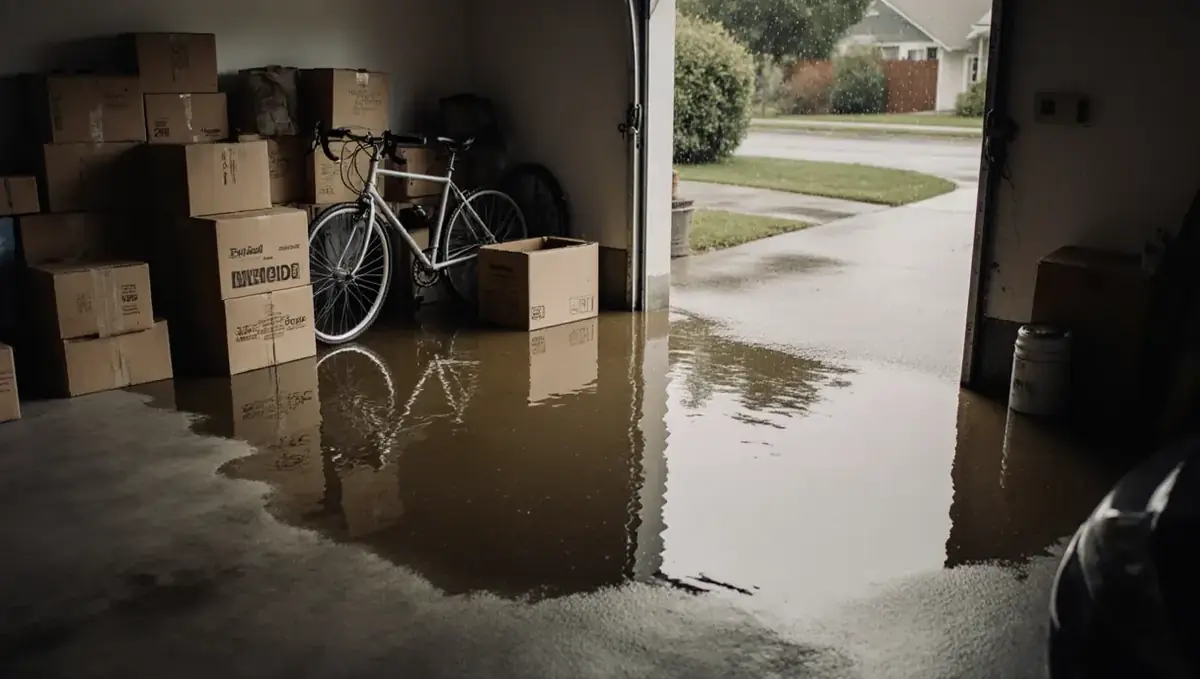
For homes near those channels, water damage in Suwanee can mean yard runoff pushing into a garage or basement. For everyone else, it is more likely to be a failed supply line, water heater or roof leak. Either way, the free 24/7 line at (888) 817-5061 connects you with local help.
Nearly 33 Hours Above Flood Stage
During the September 2009 floods, National Weather Service records show Suwanee Creek at Suwanee went above its 8-foot flood stage at 7:33 a.m. on September 21. It crested at 14.30 feet that evening and did not drop back below flood stage until 4:16 p.m. the next day.
Nearby tributaries rose as well. Level Creek crested at 11.60 feet against a 9-foot flood stage, and Dick Creek reached 11.72 feet against 10 feet. Across the region, the NWS estimates about 20,000 structures had major damage, and Gwinnett was among 17 Georgia counties with a federal disaster declaration.
Water that comes in from a creek or the yard is considered Category 3 and can carry bacteria, sediment and chemicals. Flood cleanup for that kind of water involves removing porous materials it soaked, then cleaning and drying what remains.
A City That Grew Twentyfold
Suwanee began as a post office in 1837, but most of its growth is recent. The population rose from 1,026 in 1980 to 8,725 by 2000 and to 20,786 at the 2020 Census, with about 7,861 housing units. Town Center, where City Hall now sits, was built between 2005 and 2009.
In any two-story house, water that starts in an upstairs laundry room or bathroom tends to drop straight through the ceiling below, so the damage often shows up a floor away from the source. A finished basement adds another level where water can quietly collect behind walls and under carpet. Because the Suwanee ZIP code also covers parts of Forsyth and Fulton counties, check which county and city services apply to your actual address.
Right After You Find the Water
- Protect people first. Stay out of water near outlets or appliances, and never cross a flooded road or greenway crossing.
- Turn off the supply. Use the main shutoff for plumbing failures, or the fixture valve if you know the source.
- Note where the water came from. A clean supply line is far less hazardous than floodwater or a sewer backup.
- Take photos and video. Get wide shots of each room and close-ups of the source and damaged items.
- Move valuables. Lift furniture, rugs and electronics away from wet floors.
- Get water removed. Call (888) 817-5061 to be connected with a local company for emergency water removal.
What Professional Restoration Involves
Extraction and cleanout
The restoration company removes standing water with pumps or extractors. After a flood, saturated carpet pad and lower drywall are usually cut out and bagged.
Mapping moisture
Meters and thermal imaging locate water that moved under flooring or behind cabinets, which is common in two-story and basement homes.
Drying with documentation
Dehumidifiers and air movers run while daily readings are recorded. See structural drying for how crews decide when a space is truly dry.
Repairs
After everything is dry, water damage repair restores the finishes. If that involves reconstruction, verify the contractor's Georgia license at verify.sos.ga.gov before signing.
Wind, Trees and Storm Damage Cleanup
Severe thunderstorms and the inland remnants of tropical systems can topple mature trees across north Gwinnett. A limb through a roof lets rain soak insulation and ceilings, sometimes without obvious signs for a day or two. Watch for spreading stains, sagging drywall or a damp smell in upstairs rooms.
Once it is safe, cover the opening with a tarp, photograph the damage and ask about storm damage cleanup that dries the attic and ceilings rather than only patching the roof.
Power outages often follow these storms, and a sump pump without battery backup stops working the moment the lights go out. If your home relies on one, check the basement as soon as it is safe after a storm passes.
Mold Removal and What Georgia Does Not Regulate
Per EPA guidance, mold may begin to grow on wet building materials within 24 to 48 hours. Finished basements and carpeted rooms in Suwanee homes are where it most often turns up after a leak goes unnoticed.
Georgia's rules are thin here. An industry roundup of state requirements indicates there is no Georgia license specifically for mold assessors or remediators, although we did not locate an official agency statement confirming it, so it should be treated as unconfirmed by the state. Ask a company about IICRC or comparable certification, and get moisture readings in writing before and after. Learn more about mold removal and containment.
Coverage Basics for Suwanee Property Owners
- Flood is excluded from most homeowners policies. Coverage comes from NFIP or private flood insurance, and NFIP policies typically take 30 days to begin.
- Look up your zone. The Georgia Flood Map Program shows mapped flood hazard areas near Suwanee Creek and the river.
- Document as you go. Keep photos, moisture logs, invoices and receipts in one folder.
Businesses around Town Center and along Buford Highway can call the same 24/7 line to reach local providers who handle commercial drying.
Suwanee Areas and Neighboring North Gwinnett Cities
WaterQ's free referral line connects callers across Suwanee and the surrounding Gwinnett, Forsyth and Fulton communities with independent local restoration companies.
Neighborhoods
- Suwanee Town Center
- Town Center Park area
- Sims Lake Park area
- George Pierce Park area
- Suwanee Creek Greenway area
- Buford Highway corridor
- Lawrenceville-Suwanee Road corridor
Nearby communities
- Sugar Hill
- Duluth
- Johns Creek
- Buford
- Lawrenceville
- Cumming
- Berkeley Lake
- Alpharetta
Suwanee Water Damage FAQ
How high did Suwanee Creek get in the 2009 flood?
National Weather Service records show Suwanee Creek at Suwanee crested at 14.30 feet on September 21, 2009, more than 6 feet above its 8-foot flood stage, and it stayed above flood stage into the next afternoon.
Can I check Suwanee Creek levels during heavy rain?
Yes. The USGS operates a gauge called Suwanee Creek at Suwanee, which reports conditions online. Use it for awareness only, and follow official warnings.
My address says Suwanee but I am in Forsyth County. Does that matter?
It can. The Suwanee ZIP code covers parts of Forsyth and Fulton counties, so permits, flood maps and local services depend on your actual jurisdiction, not just your mailing address.
Does Georgia license mold cleanup companies?
An industry roundup says Georgia has no license specific to mold remediators, though we have not seen official state confirmation. Ask for certifications such as IICRC and written moisture readings.
Is WaterQ a local restoration contractor?
No. WaterQ is a free referral service that connects you with an independent, local restoration company. The phone line is available 24/7.
Local emergency and flood resources
Official sources for alerts, flood maps and preparedness in and around Suwanee: