Hills, Creeks and a Lake Just Up the Road
Sugar Hill covers a little over 11 square miles of north Gwinnett County at about 1,079 feet above sea level. It sits between Buford to the northeast and Suwanee to the southwest, close to Lake Lanier and the foothills of the North Georgia mountains. Within the city, Level Creek runs past Gold Mine Park, Ridge Lake anchors Ridge Lake Park, and the trails at Gary Pirkle Park cross a creek six times.
That rolling terrain moves rainwater downhill quickly. Homes built below a slope or near a creek can see runoff collect against foundations, in window wells and in garages during a heavy storm. On average, February is the wettest month here, with about 5.3 inches of precipitation, so winter rains deserve as much attention as summer thunderstorms.
Indoors, the usual suspects apply: burst supply lines, failing water heaters, overflowing tubs and slow roof leaks. Any of them can lead to the need for water damage repair in Sugar Hill.
When Sirens Sound: Storms and Roof Damage
The City of Sugar Hill maintains seven outdoor warning sirens that are activated automatically when the National Weather Service issues a tornado warning. They are tested at noon on the first Wednesday of each month. The city also cautions that sirens are meant for people outdoors, so anyone inside should rely on a NOAA weather radio, local media or the city's weather notification sign-up.
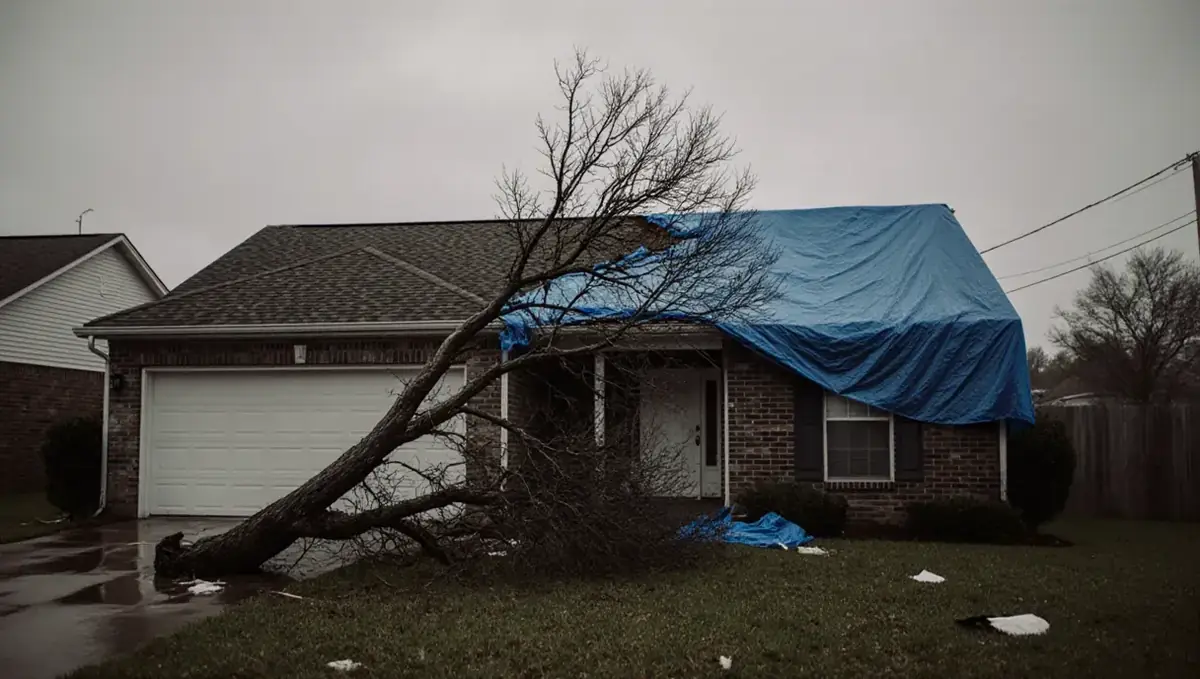
Strong thunderstorms can drop limbs and trees onto roofs throughout the city's wooded neighborhoods. Once rain gets in through a puncture, it soaks insulation and ceiling drywall and may not show for a day or more.
- Stay away from downed power lines and damaged areas until the storm has passed.
- Photograph the roof and interior damage before any temporary repairs.
- Cover openings with a tarp if you can do so safely.
- Arrange storm damage cleanup that includes drying the attic and ceilings.
For help after a storm, call (888) 817-5061 to reach the free referral line.
Level Creek and the 2009 Floods
In September 2009, a stalled band of extreme rain, estimated near 20 inches over six days, caused widespread flooding across north Georgia. Gwinnett was one of 17 Georgia counties to receive a federal disaster declaration, and the National Weather Service reports about 20,000 structures with major damage regionwide.
Level Creek, the stream that flows past Gold Mine Park, crested at 11.60 feet on September 21 at the gauge the NWS lists under Suwanee, compared with a 9-foot flood stage. The episode is a reminder that small creeks in the hills can rise well beyond their banks when rain keeps falling. Creek water that enters a home is treated as contaminated, and flood cleanup includes removing soaked porous materials and sanitizing surfaces.
Gas, Electricity and Water: Safety First
Sugar Hill operates its own natural gas utility. If flooding or storm damage leaves you smelling gas, leave the building at once and call for help from outside. The city lists (770) 271-2137 for gas leaks and maintenance issues.
- Shut off the water. Close the main valve or the fixture valve at the source.
- Avoid live electricity. Keep out of standing water near outlets and appliances, and turn off breakers only if the panel is dry and reachable.
- Document the scene. Take photos and video of the water, the source and every affected room.
- Protect belongings. Move rugs, electronics and documents to a dry area.
- Call for extraction. The 24/7 line at (888) 817-5061 connects you with a local company for water extraction.
The Drying Process, Step by Step
Assessment
The restoration company confirms the water source, the category of water and how far it has spread, often with moisture meters and thermal imaging.
Removal
Extractors and pumps pull standing water from floors, carpet and basements. Badly soaked pad, insulation and lower drywall are usually removed.
Drying and monitoring
Air movers and dehumidifiers run until readings show materials are dry. Learn more about structural drying and why daily measurements matter.
Restoration
Drywall, flooring, trim and cabinets are repaired or replaced. For rebuild work, check the contractor's Georgia license with the Secretary of State before you sign.
On a hillside lot, a crew may also look at where outside water is entering, such as a clogged gutter, a downspout emptying against the foundation or a low spot by the garage door, so the same problem does not return with the next storm.
Mold Cleanup Without State Licensing Rules
Mold can start growing on wet materials within 24 to 48 hours under EPA guidance, and basements, crawl spaces and closets along exterior walls are common places for it to appear after a leak in Sugar Hill.
According to an industry roundup of state requirements, Georgia lacks a state license tailored to mold assessors or mold remediators. Because we did not find an official Georgia agency statement saying so, that should be read as unconfirmed by the state. Ask any company about IICRC or similar certification, and request written moisture readings at the start and finish. Read more about mold removal and containment.
Flood Policies, Drainage and Your Records
- Check the map. Use the Georgia Flood Map Program to find out if your property lies in a mapped flood hazard area. Sugar Hill adopted its Flood Plain Management Ordinance in 2015.
- Buy flood coverage early. Most homeowners policies leave out flood damage, and a new NFIP policy usually needs 30 days before it takes effect.
- Report drainage problems. Sugar Hill Public Works can be reached at (770) 271-2137, or submit a city service request online.
- Keep paperwork together. Photos, moisture logs and invoices from the restoration company support your claim.
Shops and offices downtown near the E Center and The Bowl can use the same 24/7 referral line to reach providers experienced with commercial properties.
Around Sugar Hill and Nearby Communities
WaterQ connects callers throughout Sugar Hill and neighboring Gwinnett, Forsyth and Hall County communities with independent local restoration providers.
Neighborhoods
- Downtown Sugar Hill (West Broad Street)
- E Center and The Bowl area
- Gold Mine Park area
- Gary Pirkle Park area
- Ridge Lake Park area
- Cornerstone Park area
- The Landing area
Nearby communities
- Buford
- Suwanee
- Duluth
- Lawrenceville
- Cumming
- Johns Creek
- Flowery Branch
- Dacula
Sugar Hill Water Damage FAQ
When are Sugar Hill's warning sirens tested?
The city tests its seven outdoor sirens at noon on the first Wednesday of each month, moving the test to the second Wednesday if weather is bad. Sirens are meant for people outdoors, so use a weather radio or alerts indoors.
Who do I call about a gas smell after storm damage in Sugar Hill?
Leave the building first. The City of Sugar Hill operates its own gas utility and lists (770) 271-2137 for gas leaks and maintenance issues.
Can Level Creek flood?
Yes. During the September 2009 floods, Level Creek crested at 11.60 feet against a 9-foot flood stage at the gauge the National Weather Service lists under Suwanee.
Is mold remediation a state-licensed trade in Georgia?
An industry roundup reports that Georgia has no license specific to mold remediation, though we have not seen official state confirmation. Ask for certifications such as IICRC and written moisture readings.
Does WaterQ perform the repairs?
No. WaterQ is a free referral service. Calling the 24/7 line connects you with an independent, local restoration company that handles the work.
Local emergency and flood resources
Official sources for alerts, flood maps and preparedness in and around Sugar Hill: