Headwater Country in the Gwinnett County Seat
Lawrenceville is the seat of Gwinnett County, about 30 miles northeast of downtown Atlanta, and covers almost 14 square miles at roughly 1,083 feet above sea level. Two rivers start close by. The Yellow River rises just north of town, and the Alcovy River rises about 5 miles to the northeast. Small headwater creeks like these drain quickly when they are dry and overflow quickly when rain is heavy.
Average yearly precipitation here is about 53.5 inches, spread across all seasons rather than packed into a single wet season. That means a summer thunderstorm, a slow-moving winter system or the remnants of a Gulf hurricane can all push a local creek over its banks.
Inside the house, the risks look like anywhere else: worn washing machine hoses, leaking water heaters, clogged AC condensate lines and roof leaks. For any of them, the free WaterQ line at (888) 817-5061 connects you with a local restoration professional.
How Fast Lawrenceville Creeks Rose in 2009
The September 2009 floods are the clearest local example of what a stalled rain band can do. The National Weather Service estimated a narrow band of around 20 inches of rain over six days across north Georgia, and Gwinnett was among 17 Georgia counties to receive a federal disaster declaration.
Gauges the NWS lists under Lawrenceville tell the story:
- Pew Creek crested at 16.69 feet on September 21, compared with an 11-foot flood stage.
- Shoal Creek reached 13.12 feet that evening, above its 11-foot flood stage.
- The Alcovy River peaked at 13.87 feet against a 9-foot flood stage, after already going over its banks once on September 16.
Regionwide, about 20,000 structures had major damage. If water from a creek or yard has come inside, treat it as contaminated and ask about flood damage restoration that includes cleaning and sanitizing, not just drying.
Older Buildings Around the Courthouse Square
Lawrenceville was incorporated in 1821, making it the second oldest city in metro Atlanta, and its historic courthouse on the square dates to 1885. Older structures around downtown can hide water in places newer construction does not, such as plaster walls, original wood floors and tight crawl spaces.
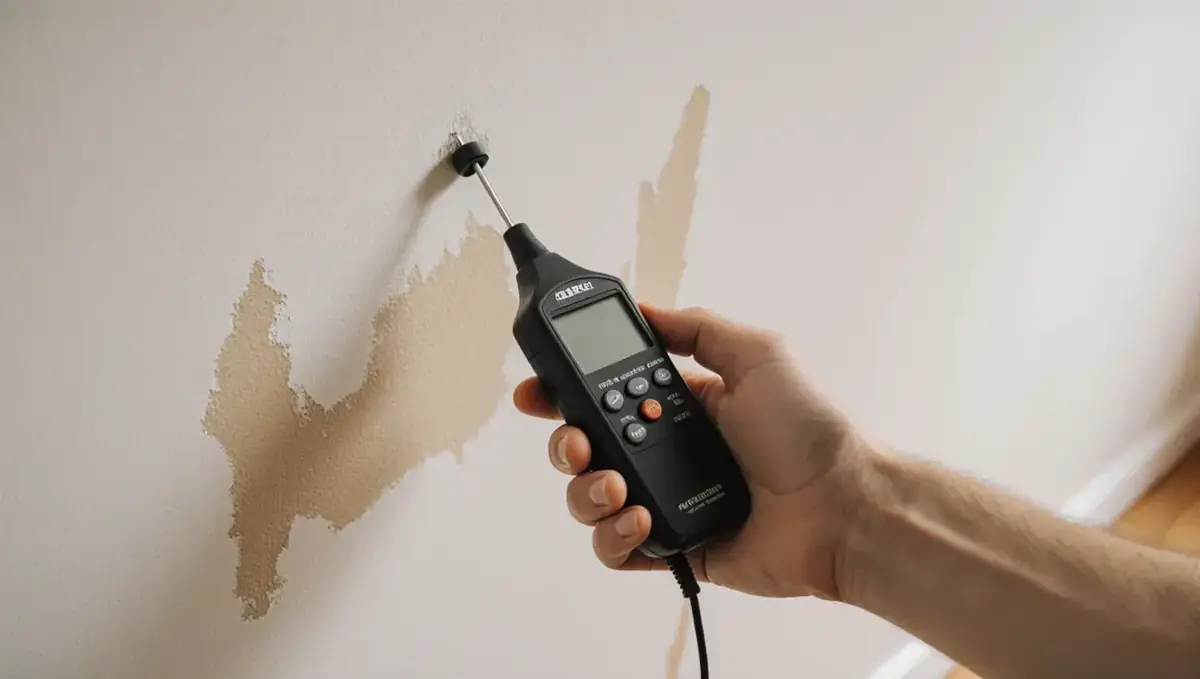
Before demolition starts in an older home or commercial building, ask the restoration company which materials it expects to dry in place and which need to come out. Moisture readings taken at the start help settle that question with facts rather than guesses. The city's 2020 Census count of 10,660 housing units also includes plenty of newer subdivisions and apartments, where the main concern is usually water traveling between floors or units.
Steps to Take Before the Restoration Crew Arrives
- Put safety first. Avoid standing water near outlets and appliances, and never drive or walk through moving water on a road.
- Close the main valve. Lawrenceville Utilities provides water service to much of the city. Know where your shutoff is before you need it.
- Smell gas? Leave. The city also operates a natural gas utility. If flooding or storm damage leaves you smelling gas, get out of the building first and call for help from outside.
- Photograph everything. Capture the source, water lines on walls and damaged belongings before moving them.
- Lift and move. Get rugs, papers and electronics out of wet areas and set furniture on blocks.
- Call for help. The 24/7 line at (888) 817-5061 connects you with a local provider for water extraction and drying.
Inside a Typical Drying and Repair Job
Inspection and categorizing
The crew identifies the source and classifies the water. Clean supply water is Category 1, while creek water or sewage is Category 3 and calls for protective gear and removal of porous materials it touched.
Extraction
Pumps and extractors remove standing water from floors, carpet and crawl spaces so drying equipment can work efficiently.
Measured drying
Dehumidifiers and air movers run while technicians log readings each day. The structural drying phase ends when materials reach dry standards, not on a fixed schedule.
Rebuild
After drying, water damage repair restores drywall, flooring, trim and cabinets. For reconstruction, look up the contractor's Georgia license on the Secretary of State's verification site first.
Storm Damage Cleanup After Wind and Fallen Trees
Gwinnett's tall pines and hardwoods are part of its character, but strong thunderstorms and tropical remnants can drop them onto roofs. Rain entering through a puncture soaks attic insulation first and often shows up on ceilings only later. Tarp openings when it is safe, photograph the damage, and arrange storm damage cleanup that dries the attic and ceilings as well as the roof deck.
Stay informed through the city's Alert Center, where residents can subscribe to Notify Me updates on public information and road closures.
Keeping Mold Out of Wet Walls and Floors
The EPA says damp drywall, carpet and wood can start to grow mold within 24 to 48 hours. Lawrenceville's hot, muggy summers make that window feel even shorter, especially in crawl spaces and closed-up rooms.
When hiring for mold removal in Lawrenceville, keep in mind that an industry roundup lists Georgia as having no state license designed for mold assessors or remediators. We could not locate an official statement from a Georgia agency confirming that point, so it remains unconfirmed by the state. Ask about IICRC or similar certification and request moisture readings in writing before and after the work. The mold removal page explains containment.
Insurance Paperwork That Helps Your Claim
- Flood needs its own policy. Standard homeowners coverage generally excludes flooding from creeks and surface water. NFIP policies typically take 30 days to start.
- Check your map. Look up your property on the Georgia Flood Map Program.
- Save the drying record. Moisture logs, equipment lists and invoices from the restoration company support your claim.
- Keep receipts. Tarps, emergency plumbing and temporary lodging costs should all be documented.
Businesses near the square, Georgia Gwinnett College or Northside Hospital Gwinnett can use the same 24/7 line to reach local commercial restoration providers.
Lawrenceville Areas and Surrounding Gwinnett Towns
WaterQ's referral line connects callers across Lawrenceville and the surrounding Gwinnett County cities with independent local restoration providers.
Neighborhoods
- Downtown Lawrenceville (historic courthouse square)
- Lawrenceville Lawn area
- Rhodes Jordan Park area
- Georgia Gwinnett College area
- Northside Hospital Gwinnett area
- Gwinnett Justice and Administration Center area
Nearby communities
Lawrenceville Water Damage FAQ
Which creeks near Lawrenceville flooded in 2009?
National Weather Service records show Pew Creek, Shoal Creek and the Alcovy River all crested above flood stage around Lawrenceville on September 21, 2009, with Pew Creek reaching 16.69 feet against an 11-foot flood stage.
What should I do if I smell gas after a flood in Lawrenceville?
Leave the building right away and call for help from a safe distance. Do not use switches or appliances. The City of Lawrenceville operates its own natural gas utility.
How do I get city alerts in Lawrenceville?
The City of Lawrenceville's Alert Center lets residents subscribe to Notify Me alerts covering public information and road closures.
Is a Georgia license required for mold remediation?
An industry roundup reports that Georgia has no license specific to mold remediators, but we have not found an official state confirmation. Ask about certifications such as IICRC and request written moisture readings.
Does WaterQ do the restoration work itself?
No. WaterQ is a free referral service available 24/7. We connect you with an independent, local restoration company that performs the inspection, drying and repairs.
Local emergency and flood resources
Official sources for alerts, flood maps and preparedness in and around Lawrenceville: