Inland, High Up, and Still Prone to Flooding
Atlanta sits about 1,050 feet above sea level on the Piedmont, the highest of any major U.S. city east of the Mississippi. That elevation does not keep water out. The city straddles the Eastern Continental Divide and includes parts of 12 watersheds, with urban creeks such as Peachtree Creek, Proctor Creek, Nancy Creek and Utoy Creek carrying runoff through dense neighborhoods. The Chattahoochee River borders the city's far northwest edge.
When heavy rain lands on pavement and rooftops, those creeks can rise fast. In September 2009, an estimated 10 to 20 inches of rain fell in under 24 hours across parts of the metro, and thousands of homes and businesses were damaged. In September 2024, Helene's remnants set a 48-hour Atlanta record of 11.12 inches, pushing Peachtree Creek above major flood stage and flooding streets and apartments in Buckhead.
Rain at Hartsfield-Jackson averages about 50 inches a year (NOAA 1991-2020 normal), and it can arrive from summer thunderstorms or tropical remnants. If water has reached your floors, flood cleanup should start as soon as it is safe.
When Atlanta Freezes: Burst Pipes and Sprinkler Lines
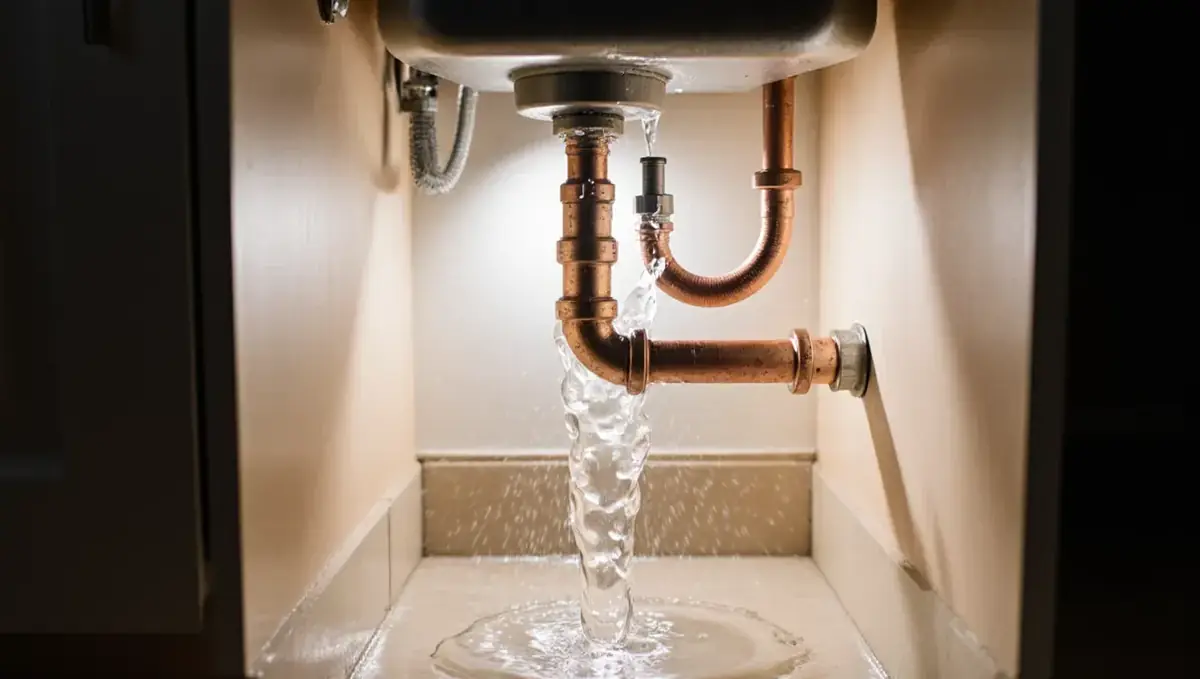
Atlanta winters are mostly mild, which is exactly why a hard freeze catches people off guard. Over Christmas 2022, temperatures stayed below freezing for three days with a low of 8 F. Frozen pipes and sprinkler lines burst in apartments, hotels and businesses across the metro, flooding units, hallways and lobbies in Buckhead, Midtown and beyond.
Before a cold snap, a few simple steps go a long way:
- Insulate exposed pipes.
- Disconnect garden hoses.
- Drain in-ground sprinkler systems.
If a pipe does burst, shut off the main valve and call (888) 817-5061. The local restoration professional you are connected with can begin water extraction and set up drying equipment. Report running water in the street to ATL311 at 404-546-0311.
Apartments, High-Rises and Intown Homes
Atlanta has many large apartment and high-rise buildings. In multifamily properties, a frozen fire-sprinkler line can burst and flood several units at once, so it helps to know ahead of time who is responsible for what under your lease, HOA rules or insurance policy. Property managers can call (888) 817-5061 to be connected with local providers who handle commercial and multi-unit drying.
The city also has a deep stock of older intown homes. Inman Park, Atlanta's first planned suburb, begun in 1889, mixes Queen Anne, Italianate and Romanesque houses with early-20th-century bungalows, shotguns and foursquares. In an older house, ask the crew which original materials they expect to dry in place and which they plan to remove before any demolition starts.
Your First Moves After Water Damage
- Stay safe. Keep away from standing water near electrical outlets or appliances. Never drive across a flooded road. Most Georgia deaths in the 2009 flood happened when people drove into flooded roadways.
- Stop the flow. Close the main water valve for plumbing leaks.
- Identify the water. Creek water and sewer backups are Category 3 and can carry contaminants. EPA notes that communities along Proctor Creek face regular stormwater flooding and sewer overflow discharges, so treat that kind of water with caution.
- Take pictures. Photograph water lines on walls, damaged items and the source.
- Cover roof openings. If a tree came through the roof, tarp it if you can do so safely and document the damage first.
How Professional Drying Works
Assess and extract
The crew confirms the source and category of water, then removes standing water with extraction equipment.
Find the hidden moisture
Moisture meters and thermal imaging trace water under floors and inside walls so nothing is missed.
Dry to a measured standard
Air movers and dehumidifiers run, and daily readings confirm progress. Wet insulation and drywall are often removed so cavities can dry. Our structural drying page covers this step.
Repair and rebuild
Once materials are dry, drywall, flooring and trim are replaced. If reconstruction is involved, verify the contractor's Georgia license through the Secretary of State's license lookup before signing.
Storms, Fallen Trees and Roof Leaks
Severe storms are part of Atlanta life. On March 14, 2008, an EF2 tornado cut a six-mile path from west of the World Congress Center through downtown into western DeKalb County. Tropical remnants such as Helene also bring strong gusts that topple trees onto roofs.
Roof punctures let rain run into attics, ceilings and walls, and the damage may not show up for days. Because one falling limb can puncture a roof, even a storm that passes quickly can leave a hidden leak behind. A water stain that keeps growing, sagging drywall or a musty smell in an upstairs room are all signs that water is still moving inside. Tarp openings quickly, take photos and ask about storm damage cleanup that includes drying the structure, not just patching the roof.
Mold Concerns and Georgia Licensing
Per EPA guidance, mold can begin growing on wet materials within 24 to 48 hours, and Atlanta's hot, humid summers speed that up. Getting materials dry quickly is the most reliable way to prevent it.
Georgia does not appear to have a state license specifically for mold assessors or remediators, according to an industry roundup of state requirements, though we have not seen an official state statement confirming it. Ask any company for industry training such as IICRC certification and for written moisture readings before and after the work. See our mold removal page for how containment and cleanup work.
Building a Paper Trail for Your Claim
Whether the water came from a frozen sprinkler line in a Midtown high-rise or a creek that spilled into a Buckhead apartment, the insurance process goes more smoothly with good records. Start collecting them from the first minute you discover the damage.
- Before and during. Take wide shots of each room and close-ups of water lines, damaged flooring and the source of the leak.
- Damaged belongings. List items with approximate age and value, and keep damaged pieces until the adjuster has seen them or says you can discard them.
- Drying records. Ask the restoration company for daily moisture readings and a written summary of the equipment used.
- Receipts. Save receipts for emergency repairs, tarps and any temporary housing.
If you have questions about how your policy works or how a claim is being handled, the Georgia Office of Commissioner of Insurance and Safety Fire is the state agency that oversees insurers. For help with the cleanup itself, call (888) 817-5061.
Flood Insurance and Floodplain Checks in Atlanta
Most homeowners policies do not cover flooding from storms. Flood coverage comes from the NFIP or a private flood policy, and a new NFIP policy typically takes 30 days to take effect. Atlanta is a Class 7 community in the NFIP's Community Rating System, which gives a 15 percent flood insurance discount.
Check your property's flood zone on the Georgia Flood Map Program or with the city's Floodplain Administrator at 404-546-3291. Keep photos, receipts and drying logs together for your claim. When you are ready for help, the 24/7 line connects you with local water damage restoration companies serving Atlanta.
Where Our Atlanta Referral Line Helps
WaterQ connects callers in neighborhoods across the city and nearby metro communities with independent local restoration providers.
Neighborhoods
- Downtown
- Midtown
- Buckhead
- Inman Park
- Old Fourth Ward
- Virginia-Highland
- Grant Park
- Kirkwood
- East Atlanta
- Cabbagetown
- Reynoldstown
- West End
- Vine City
- English Avenue
- Collier Heights
- Cascade Heights
- Morningside
- Ansley Park
- Candler Park
- Little Five Points
Nearby communities
Atlanta Water Damage FAQ
Can my Atlanta home flood even though the city is far from the coast?
Yes. Atlanta's urban creeks can rise quickly in heavy rain. The 2009 floods and Helene's record 11.12 inches of rain in 48 hours in 2024 both caused serious flooding, including along Peachtree Creek.
How do I prevent burst pipes during an Atlanta freeze?
Insulate exposed pipes, disconnect garden hoses and drain in-ground sprinkler systems before a cold snap. The Christmas 2022 freeze, with a low of 8 F, burst pipes and sprinkler lines across the metro.
Who do I call about water running in the street?
Report water emergencies such as running water in the street to ATL311 at 404-546-0311. For water damage inside your home or business, you can call WaterQ to be connected with a local restoration company.
Does Georgia license mold remediation companies?
According to an industry roundup, Georgia does not have a state license specifically for mold remediators, though we have not found an official state statement. Ask for industry certifications such as IICRC and for written moisture readings.
Is there a flood insurance discount in Atlanta?
Atlanta participates in the NFIP Community Rating System as a Class 7 community, which provides a 15 percent flood insurance discount. Ask your agent how it applies to your policy.
Local emergency and flood resources
Official sources for alerts, flood maps and preparedness in and around Atlanta: