Life Between the St. Marys River and the Marsh
Kingsland sits in the southern tip of Camden County, just north of the Florida line, at an elevation of roughly 36 feet. The St. Marys River, which begins in the Okefenokee Swamp and forms the state border, curves past to the south. To the east are St. Marys, Naval Submarine Base Kings Bay and the salt marshes that lead out to Cumberland Island.
That position shapes the kind of water damage Kingsland property owners tend to see. The city is a short drive from the coast but higher than the marsh towns, so the most common problems are rain driven through roofs and windows during tropical systems, overwhelmed gutters and low yards, and the same plumbing failures that happen anywhere. Homes and businesses closer to the river or the tidal marsh carry more flood and surge exposure.
The climate adds pressure. Kingsland averages about 46.7 inches of rain a year, and August alone brings around 9 inches. Hot, humid air means wet drywall and carpet do not dry on their own very quickly.
Tropical Systems That Have Soaked Camden County
Camden County has a long hurricane record. The 1898 Georgia hurricane made landfall on Cumberland Island and is still the strongest hurricane to hit the state in recorded history.
More recent storms show what a near miss can do. According to National Hurricane Center reports:
- Hurricane Matthew (2016) dropped more than 12 inches of rain in many spots across southeastern Georgia, pushed 3 to 5 feet of water above ground along the Georgia coast, and left at least 300,000 Georgia customers without power.
- Hurricane Irma (2017) brought 5 to 10 inches of rain to coastal Georgia, with the state's highest total, 10.34 inches, at Nahunta in neighboring Brantley County. Surge and tide again reached 3 to 5 feet above ground along the coast.
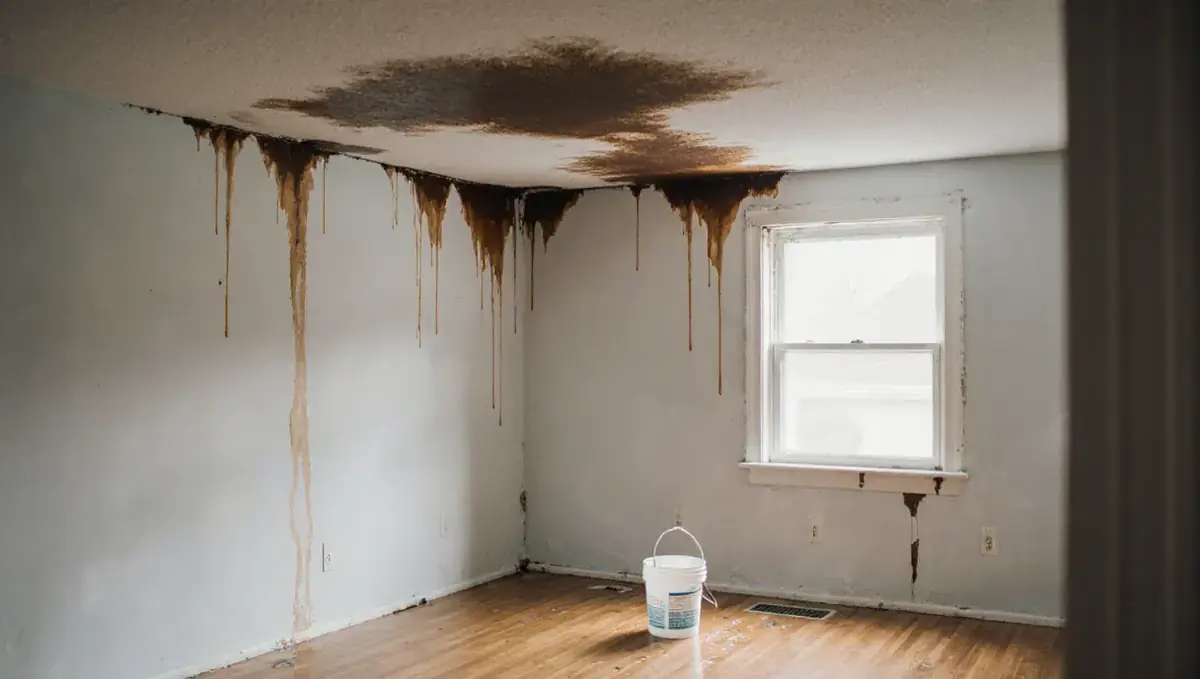
For a Kingsland home, long hours of wind-driven rain are often the real threat: water gets under shingles and flashing, then shows up as a brown stain or a sagging ceiling days later. After a storm passes, storm damage cleanup usually starts with tarping the roof and removing wet ceiling materials before mold has a chance to settle in.
A Practical Checklist for the First Day
- Make it safe. Keep people away from standing water near outlets, cords or appliances. If a ceiling is bulging with water, stay out from under it.
- Cut off the source. Close the main water valve for a plumbing leak. For a roof leak, put buckets down and, if it is safe, cover the opening from inside the attic.
- Sort out the water type. Clean supply-line water (Category 1) is handled very differently from river or storm floodwater (Category 3), which can carry sewage and should be treated as contaminated.
- Take pictures first. Photograph and video every room, the source and damaged items before cleanup starts.
- Move valuables. Get electronics, documents and rugs out of wet areas and lift furniture off soaked carpet.
- Call for help. Dial (888) 817-5061 and you will be connected with a local restoration company that can start emergency water extraction.
If you rent, including many military families near Kings Bay, tell your landlord or property manager right away and keep copies of your photos for your renters policy.
From Wet Floors to Finished Repairs
Water damage restoration in Kingsland generally follows the same sequence whether the cause is a storm or a broken pipe.
Removing the water
Crews extract standing water from floors, carpet and pad with truck-mounted or portable units. The sooner the bulk water is gone, the less of it soaks upward into wall board, trim and cabinet bases.
Finding hidden moisture
Moisture meters and thermal cameras show where water traveled inside walls, under flooring and above ceilings. Those readings set the drying plan and become part of your insurance file.
Drying the structure
Air movers and dehumidifiers run for several days while readings are checked. In Camden County's humidity, dehumidification is essential. Wet insulation and drywall are often removed so the cavity can dry. Read more about structural drying.
Putting it back together
Once materials test dry, water damage repair replaces drywall, flooring, trim and cabinets. For reconstruction work, check a contractor's Georgia license through the Secretary of State at verify.sos.ga.gov, and ask about insurance and training such as IICRC certification.
Flood Cleanup Near the River and the Coast
Flood cleanup in Kingsland is a different job from a plumbing leak. River or storm water that enters a home is considered contaminated, so porous items it touched, such as carpet pad, insulation and lower drywall, are usually removed rather than dried. Surfaces are cleaned and sanitized before drying begins. See our overview of flood cleanup for what to expect.
Before hurricane season, look up your property on the FEMA Flood Map Service Center and review Camden County Emergency Management guidance. The county offers AlertCamden notifications and a Functional Medical Needs Hurricane Registry for residents who may need help during an evacuation.
Neighbors in St. Marys and up the coast in Brunswick face more direct surge exposure, but heavy rain does not stop at the marsh line.
Mold After a Camden County Storm
The EPA notes that mold may begin to grow on damp building materials within 24 to 48 hours. In a Kingsland August, with heat, humidity and frequent afternoon storms, that window is easy to miss, especially when the wet area is inside an attic or a wall.
An industry roundup of state requirements reports that Georgia has no state license specifically for mold assessors or mold remediators. That point has not been confirmed by an official Georgia agency, so consider it unverified by the state. In practice, ask for third-party certifications such as IICRC, and a Georgia contractor license when rebuilding is involved.
Good mold removal in Kingsland includes containment so spores do not spread, removal of affected materials, cleaning, and written moisture readings before and after the work. Learn more about mold removal.
Coverage Questions for Homeowners, Renters and Businesses
- Flood needs its own policy. Standard homeowners policies generally exclude flood. Coverage comes from an NFIP or private flood policy, and NFIP policies typically have a 30-day waiting period, so do not wait until a storm is in the forecast.
- Roof damage from trees and wind is usually handled under a homeowners policy, but tarp openings quickly and keep receipts, because insurers expect you to prevent further damage.
- Keep a full record. Save photos, moisture logs, drying reports and invoices from the restoration company.
- Questions about your insurer can go to the Georgia Office of Commissioner of Insurance and Safety Fire.
Retail and service businesses along U.S. 17 and near the I-95 interchanges can call too; a commercial job may need after-hours drying to keep doors open. WaterQ cannot promise how a claim will be decided, but good documentation helps. Reach the free referral line at (888) 817-5061, available 24/7.
Kingsland Areas and Camden County Neighbors
Our free referral line connects callers throughout Kingsland and the rest of Camden County, along with nearby communities across the Florida line, with independent local restoration companies.
Neighborhoods
- Downtown Kingsland
- Kingsland Commercial Historic District
- U.S. 17 corridor
- I-95 / State Route 40 corridor
Nearby communities
Kingsland Water Damage FAQ
Is Kingsland at risk from storm surge?
Kingsland sits at roughly 36 feet, higher than the marsh communities to the east, so heavy rain and wind-driven roof leaks are the more common problem. Properties near the St. Marys River or tidal marsh carry more flood and surge risk. Check your address on the FEMA Flood Map Service Center.
How much rain have recent hurricanes brought to this part of Georgia?
National Hurricane Center reports show Matthew in 2016 dropped more than 12 inches in many locations across southeastern Georgia, and Irma in 2017 brought 5 to 10 inches to coastal Georgia, with 10.34 inches at Nahunta in nearby Brantley County.
I rent near Kings Bay. What should I do first after a leak?
Stop the water if you can, keep away from electrical hazards, photograph everything and notify your landlord or property manager right away. Your renters policy may cover your belongings, while the building itself is usually the owner's responsibility.
Do I need a licensed mold remediator in Georgia?
Georgia does not appear to license mold remediators, according to an industry roundup, though no official state statement confirming this was found. Ask for certifications such as IICRC and before-and-after moisture readings, and verify a contractor license at verify.sos.ga.gov for rebuild work.
Can WaterQ help with a business in Kingsland?
Yes. The free referral line is open 24/7 for homes and commercial properties, and connects you with an independent, local restoration company that handles the inspection and the work.
Local emergency and flood resources
Official sources for alerts, flood maps and preparedness in and around Kingsland: