Foothill Rainfall and the Shores of Lake Lanier
Gainesville sits at about 1,214 feet in the foothills of the Blue Ridge, and North Georgia is the wettest part of the state. Annual rainfall here averages roughly 55.56 inches. On steep ground, a hard storm turns into fast-moving runoff that can push water under doors, into window wells and down basement stairs.
Parts of the city border Lake Lanier, the reservoir formed when Buford Dam closed on the Chattahoochee River in 1956. The U.S. Army Corps of Engineers operates the lake for flood control and water supply, and its level moves with the weather. Full pool is 1,071 feet; the record high of 1,077.2 feet came in April 1964, while the 2007 drought dropped it to a record low near 1,050.8 feet.
Hall County also sits at the top of two river systems. The western half drains to the Upper Chattahoochee, and the eastern half to the Upper Oconee, where the North and Middle Oconee rivers begin. Small headwater streams fed by hillside runoff, rather than one large river, shape most local flood cleanup in Gainesville.
A City Shaped by Two Historic Tornadoes
Gainesville carries a hard weather history. An F4 tornado on June 1, 1903, killed 98 people. On April 6, 1936, another tornado struck downtown and killed 203 people, one of the deadliest in U.S. history, with the worst single-building toll at the Cooper Pants Factory.
Those events are long past, but they are a reminder that wind damage is part of the local risk picture. Today, even a modest storm can drop a tree limb through a roof or tear off flashing, and the water that follows is often the bigger, slower problem. If wind opens your roof, cover it as soon as it is safe, photograph the damage, and arrange storm damage cleanup before more rain arrives.
Lakefront, Historic and Mill Village Properties
Housing in and around Gainesville is unusually varied, and each type tends to get wet in its own way.
- Lake Lanier homes. Lower levels, walkout basements and garages on sloped lots catch runoff from the hill above. Pumps, drains and grading deserve attention before storm season.
- Green Street and Brenau districts. The Green Street District, Green Street-Brenau Historic District and Brenau College District include older homes with plaster walls, original wood floors and aging roof systems.
- Chicopee Mill and Village. Historic mill-village houses often need careful drying so original materials can be saved where possible.
- Newer subdivisions. More than half of Hall County residents live in unincorporated areas, where common causes include water heater failures, supply line bursts and slab or crawlspace moisture.
Campus-area rentals near Brenau University and the University of North Georgia's Gainesville campus add another layer. Tenants should report leaks to the landlord right away and photograph their own belongings, since a renter's policy, not the owner's, usually covers personal property.
No matter the property, a moisture survey by the restoration company you are connected with shows where water went and what can be dried in place.
Steps to Take While You Wait for Help
- Close the valve. Shut off the fixture or the main.
- Stay clear of wiring. Do not enter flooded basements where water could reach outlets, extension cords or the panel.
- Know your water category. Supply line water is Category 1. Runoff from a hillside, lake water and sewage backups are Category 3 and need protective gear.
- Make a photo record. Capture each room, the source and damaged belongings.
- Rescue valuables. Move photos, documents and electronics to a dry room.
- Call for help. Reach (888) 817-5061 and we will connect you with a local company for emergency water removal.
From Extraction to Final Moisture Readings
Professional water damage restoration in Gainesville usually moves through these stages:
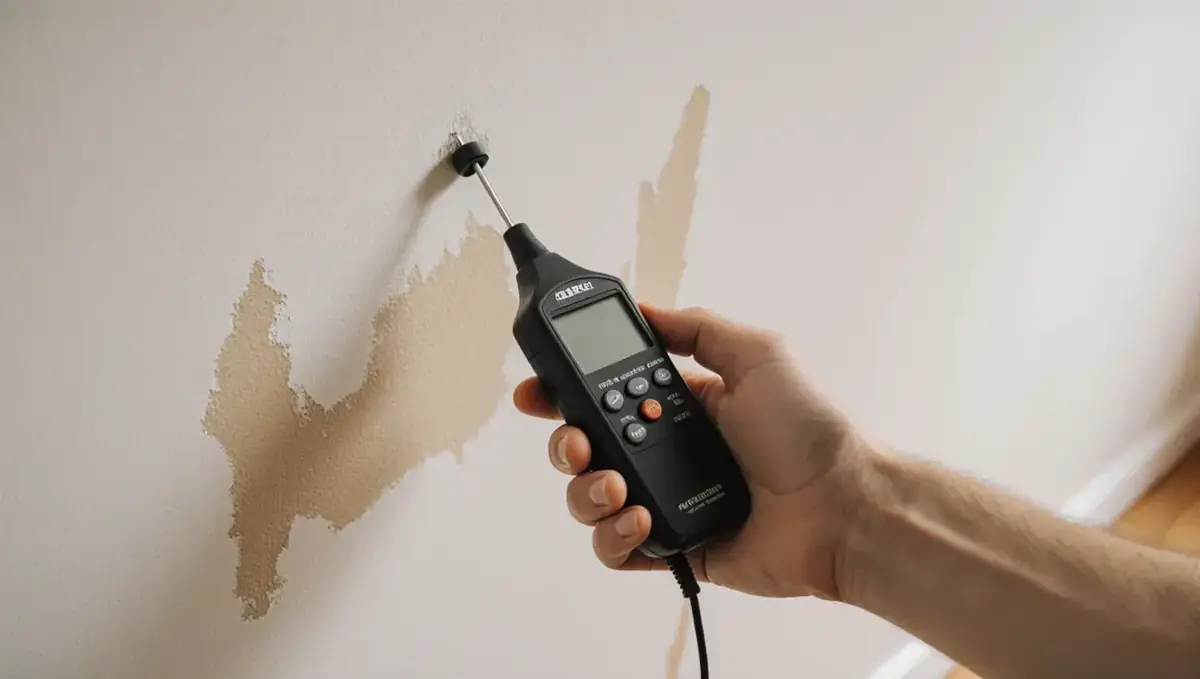
Mapping the moisture
Meters and thermal cameras show how far water moved through subfloors, walls and lower-level ceilings.
Removing water and ruined materials
Extraction equipment pulls water from carpet and hard floors. Saturated pad, insulation and drywall that cannot dry are removed.
Controlled drying
Dehumidifiers and air movers run with daily readings until materials reach drying targets. See structural drying for details.
Repairs
Finally, water damage repair restores drywall, floors and trim. Before work begins, it is reasonable to ask the company about its licensing, insurance and staff training, for example IICRC certification.
Ice Storms, Freezes and Winter Leaks in Hall County
Gainesville's record low is minus 8 degrees, and Hall County Emergency Management lists ice storms among the hazards it plans for. Ice can snap limbs onto roofs, and a deep freeze can split pipes in crawlspaces, garages and exterior walls.
Before cold weather, insulate exposed pipes, disconnect hoses and know where your main shutoff is. When thawing reveals a leak, turn off the water first and then start drying as soon as possible. Hall County offers a Citizen's Alert System for emergency notifications, along with outdoor weather sirens.
Mold, Coverage and Commercial Losses
Per EPA guidance, mold can start growing on damp materials in 24 to 48 hours, so drying quickly matters more than anything else for mold prevention. For visible growth, professional mold removal in Gainesville should include containment so spores do not spread.
Georgia does not appear to have a dedicated state license for mold assessors or remediators, according to an industry trade publication. That point has not been confirmed by an official Georgia agency. Ask for credentials such as IICRC, and check any reconstruction contractor at verify.sos.ga.gov. Learn more on our mold removal page.
Standard homeowners policies generally exclude flood, and NFIP policies usually take 30 days to begin. Businesses, from downtown offices to the poultry processing and industrial plants that employ many local workers, should keep drying logs and photos for their insurers. Property managers can call (888) 817-5061 any time, day or night.
Gainesville Districts and Nearby Hall County Towns
WaterQ's free referral line connects callers in Gainesville, along Lake Lanier and across Hall County with independent local restoration providers.
Neighborhoods
- Downtown Gainesville
- Green Street District
- Green Street-Brenau Historic District
- Brenau College District
- Gainesville Commercial Historic District
- Chicopee Mill and Village Historic District
Nearby communities
- Oakwood
- Flowery Branch
- Buford
- Lula
- Clermont
- Gillsville
- Murrayville
- Chestnut Mountain
- Belmont
- Candler
Gainesville Water Damage FAQ
Can Lake Lanier rise high enough to affect lakefront homes in Gainesville?
Lake levels vary with rainfall and Corps of Engineers operations. Full pool is 1,071 feet, and the record high was 1,077.2 feet in April 1964. Lakefront owners should know their lot elevations and check FEMA flood maps for their address.
What causes most water damage in Gainesville homes?
Common causes include plumbing and water heater failures, roof leaks after wind or ice storms, and hillside runoff into basements and garages during heavy rain.
How do I get emergency alerts in Hall County?
Hall County Emergency Management offers a Citizen's Alert System sign-up on the county website, and the county also maintains outdoor weather sirens.
Does Georgia require mold removal companies to hold a state license?
Georgia does not appear to license mold remediators specifically, based on an industry roundup, though no state agency has confirmed this. Ask for IICRC or similar certification and written moisture readings.
Is WaterQ located in Gainesville?
WaterQ is a free referral service with no local office. When you call, we connect you with an independent restoration company that serves your area. The line is available 24/7.
Local emergency and flood resources
Official sources for alerts, flood maps and preparedness in and around Gainesville: