High Ground on the I-75 Corridor
Tifton sits on Interstate 75 about 45 miles north of Valdosta, and at roughly 354 feet it is higher than most South Georgia cities. It also sits near a drainage divide. West of I-75, Tift County drains to the Little River and the Suwannee basin; the southeast part of the county drains toward the Withlacoochee; and land east of Chula falls into the Alapaha River sub-basin. Ty Ty Creek is another of the county's local waterways.
That higher ground means Tifton does not face the kind of big-river flooding that Albany does. Water damage in Tifton more often comes from above or from inside: wind-driven rain through roofs during tropical systems and severe storms, overwhelmed gutters and low spots in yards, and plumbing failures. With about 48 inches of rain a year spread over roughly 102 wet days, there is plenty of opportunity for small leaks to become big ones.
Helene, Michael and the 2017 Tornadoes
South-central Georgia has taken several hard hits in recent years. During Hurricane Helene in September 2024, the National Weather Service recorded a 55-knot gust (about 63 mph) at the Tifton-Bowen station and 40 knots at Henry Tift Myers Airport. In nearby Ben Hill County, more than 97 percent of the county lost power.
Hurricane Michael in 2018 stayed at hurricane strength into southwest Georgia and damaged about 2.4 million acres of the state's forestland. And in January 2017, a low-end EF3 tornado struck Adel in neighboring Cook County, killing 11 people along its path, while another EF3 crossed Albany.
Each of these events left homes with punctured roofs and open walls. Quick storm damage cleanup, from tarping to removing soaked insulation, is often the difference between a roof repair and a full interior rebuild.
First Moves When You Find Water Inside
- Check for danger. Keep away from wet outlets, cords and appliances, and stay out of rooms where a ceiling is sagging.
- Stop the flow. Shut the main valve or the fixture valve, and if the leak is near the electric panel, leave the breakers to a professional.
- Know what you're dealing with. Water from a supply line (Category 1) starts out clean, while storm runoff or sewer backup (Category 3) should be treated as contaminated.
- Photograph before you clean. Insurers want to see the source, the water and every damaged item.
- Protect belongings. Move electronics, paperwork and rugs, and put furniture legs on blocks or foil.
- Line up help. Call (888) 817-5061 to be connected with a local company that handles water extraction and drying.
Inside a Professional Drying Plan
Water damage restoration in Tifton follows a clear sequence once the restoration company is on site.
Step one: extraction
Standing water comes out first, using portable or truck-mounted equipment. The less water left behind, the shorter the drying time.
Step two: measuring
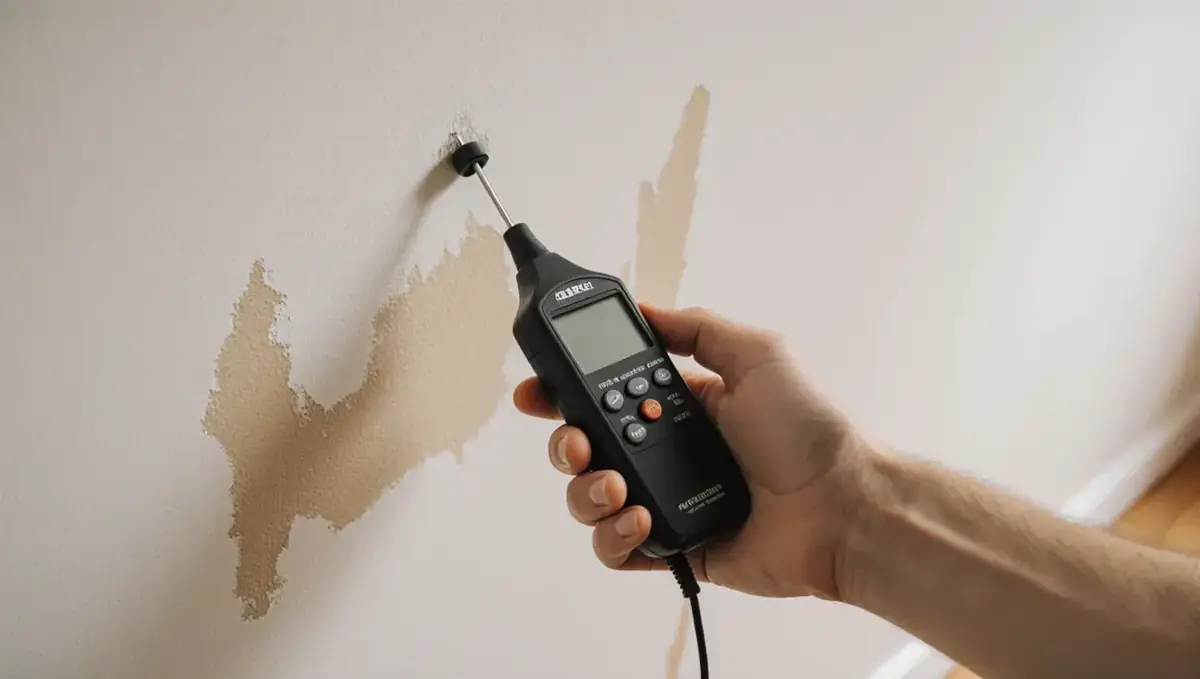
Moisture meters show which walls, subfloors and cabinets absorbed water. Readings are logged for the drying plan and for your insurer. Thermal cameras can also reveal wet insulation above a ceiling after a roof leak, before any stain appears.
Step three: drying
Dehumidifiers and air movers run continuously, and technicians recheck readings until materials reach dry targets. Learn more about structural drying.
Step four: repair
Then comes water damage repair: drywall, flooring, trim and cabinetry. Before signing for rebuild work, verify the contractor's Georgia license at verify.sos.ga.gov and ask about insurance and training such as IICRC certification.
Students, Farms and Businesses
Tifton is a college and agriculture town. Abraham Baldwin Agricultural College has its main campus here, along with the University of Georgia's Tifton agricultural campus and Southern Regional Technical College. The city counted about 7,400 housing units in 2020, and both a commercial and a residential historic district are listed on the National Register.
- Renters and students: report leaks to your landlord right away and photograph your own belongings for a renters policy.
- Older homes: older construction, such as plaster walls and solid wood floors, often needs slower and more careful drying.
- Commercial and farm properties: offices, shops and ag buildings along I-75 can call (888) 817-5061 to be connected with a company that handles commercial drying.
Keeping Mold Out of a Tift County Home
Per EPA guidance, wet building materials can start to grow mold in 24 to 48 hours. Tifton's long, hot summers and humid nights make that likely if drying is delayed, especially after a storm knocks out power.
Georgia appears to have no state license specifically for mold assessors or mold remediators; that comes from a restoration industry roundup of state requirements. No official Georgia agency statement confirming it was located, so treat it as unconfirmed by the state. When you hire for mold cleanup in Tifton, ask about third-party certifications such as IICRC and a Georgia contractor license for any rebuilding.
Proper remediation uses containment, removes affected porous materials and documents moisture levels before and after. Read about mold removal.
Claims, Alerts and Flood Coverage in Tifton
Wind and tree damage are generally handled under a homeowners policy, while standard policies generally exclude flood. Flood coverage comes from an NFIP or private flood policy, and NFIP policies typically have a 30-day waiting period. Even on higher ground, low-lying lots can flood, so check your address on the FEMA Flood Map Service Center.
Tift County Emergency Management sends warnings through its Citizen Alert Link and tests outdoor sirens on the second Tuesday of each month. The agency also offers a storm damage reporting form.
Keep every photo, moisture log and invoice together. WaterQ can't predict an insurer's decision, but thorough records help. For 24/7 emergency help, call (888) 817-5061. The same free line serves Albany and Valdosta.
Tifton Areas and Surrounding South Georgia Towns
WaterQ's free referral line connects callers across Tifton, the rest of Tift County and neighboring towns with independent local restoration providers.
Neighborhoods
- Downtown Tifton
- Tifton Commercial Historic District
- Tifton Residential Historic District
- ABAC campus area
- UGA Tifton Campus area
- I-75 corridor
Nearby communities
- Omega
- Ty Ty
- Chula
- Brookfield
- Eldorado
- Sylvester
- Ashburn
- Adel
- Fitzgerald
- Moultrie
- Ocilla
- Nashville
Tifton Water Damage FAQ
Does Tifton flood like Albany?
Usually not. Tifton sits at roughly 354 feet near a drainage divide rather than on a major river, so most local water damage comes from roof leaks, storm runoff and plumbing failures. Low-lying lots can still flood, so check your address on FEMA's flood maps.
How strong was Hurricane Helene in Tifton?
The National Weather Service recorded a 55-knot gust, about 63 mph, at the Tifton-Bowen station and a 40-knot gust at Henry Tift Myers Airport on September 27, 2024.
How do I get emergency alerts in Tift County?
Tift County Emergency Management uses the Citizen Alert Link through Everbridge and tests its outdoor warning sirens on the second Tuesday of each month.
Is a license required for mold remediation in Georgia?
A restoration industry roundup reports that Georgia has no state mold remediation license, though no official state confirmation was found. Ask for IICRC or similar certifications and verify a Georgia contractor license at verify.sos.ga.gov for rebuild work.
Who actually comes to my Tifton property?
WaterQ is a free referral service, available 24/7. It connects you with an independent, local restoration company, and that company sends the people who inspect and do the work.
Local emergency and flood resources
Official sources for alerts, flood maps and preparedness in and around Tifton: