Eighty-Six Square Miles of Very Different Ground
The City of South Fulton was incorporated in 2017 from what had been unincorporated southwest Fulton County, and it is big: more than 86 square miles with about 107,000 residents in 2020. Inside those limits are more than a dozen historic communities, including Red Oak, Ben Hill, Sandtown, Cliftondale, Cedar Grove, Enon, Welcome All and part of Campbellton.
With that much territory, water risk is not the same from one community to the next. A home on a ridge, one at the bottom of a sloped street and one near a creek crossing can face very different problems in the same storm. Fulton County's western boundary follows the Chattahoochee River, across from Douglas and Carroll counties, so the river corridor is part of the picture as well.
For a homeowner, the practical point is simple: know where your own lot drains. Look up your address on FEMA and Georgia flood maps rather than assuming a neighbor's flood risk is the same as yours.
Lessons From the 2009 West Metro Floods
The September 2009 floods hit the western metro especially hard. Across the Chattahoochee, Sweetwater Creek near Austell crested 20 feet above flood stage, nine feet higher than its previous record, and Douglas County's Dog River overtopped its USGS gage by 12 feet. Floodwater from the Chattahoochee covered Six Flags just across the river. Statewide, more than 16,900 homes had major damage.
The National Weather Service noted that most of the Georgia deaths in that event happened when drivers tried to cross flooded roads. In a city with long rural roadways and creek crossings, that is worth remembering every time heavy rain is in the forecast: turn around rather than drive into water.
When floodwater does reach a home, flood cleanup has to be treated as a contaminated-water job, and flood damage restoration follows once the structure is clean and dry.
Trees, Wind and Roof Leaks After Tropical Storms
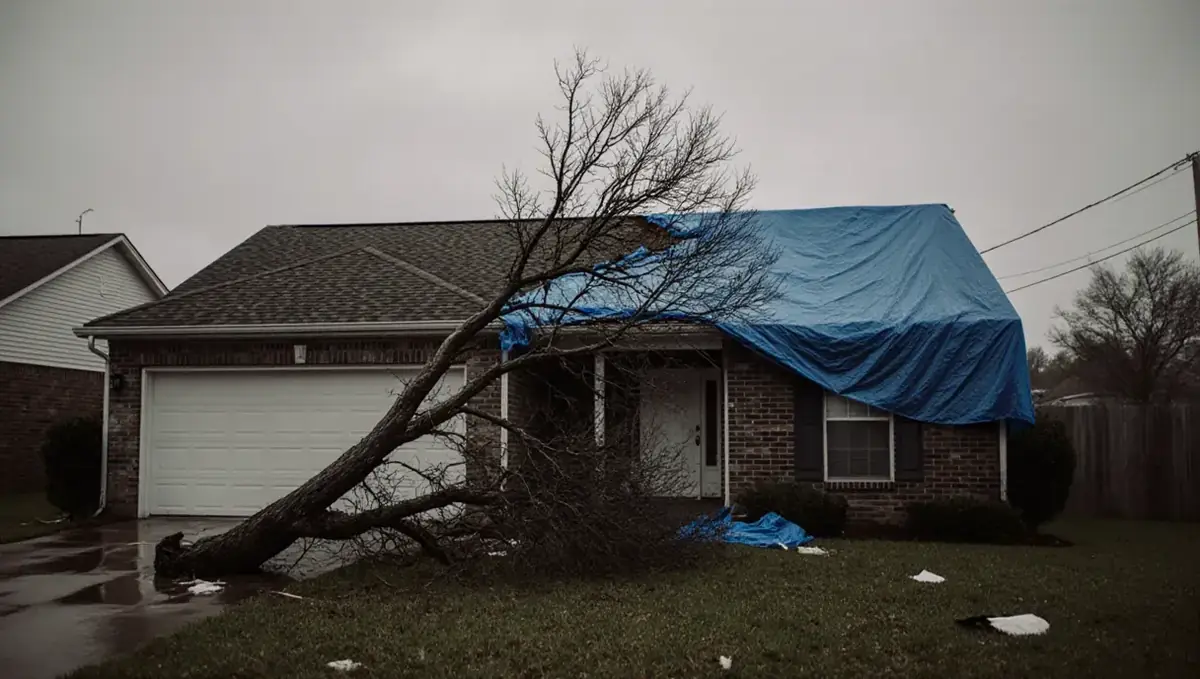
Where a home sits under mature trees, wind is often what turns a storm into an indoor water problem. Helene in 2024 brought 50 to 80 mph gusts to parts of Georgia and downed millions of trees, and similar storms can drop limbs onto roofs anywhere in the metro.
- Get clear first. Leave rooms below a damaged roof and stay away from downed power lines.
- Slow the water. Once conditions are safe, have the opening tarped. Put buckets under drips and puncture small bulges in ceilings only if you can do it safely from the side.
- Photograph it all. Capture the tree, the roof, the attic and each wet room.
- Schedule cleanup. Professional storm damage cleanup typically covers debris removal, wet insulation and drywall removal, and drying.
For storm damage cleanup in South Fulton, call (888) 817-5061 and we will connect you with a local provider.
Leaks Inside the House: The Everyday Cause
Plenty of water damage has nothing to do with the weather. A cracked washing machine hose, a leaking water heater, a toilet supply line or a frozen pipe during a cold snap can soak floors in minutes. Here is how to respond:
- Turn off the main water valve or the valve at the fixture.
- Keep away from standing water near outlets and appliances, and only shut off breakers you can reach safely.
- Figure out whether the water is clean (Category 1) or contaminated, such as a sewer or toilet backup (Category 2 or 3).
- Photograph and video the damage before cleanup.
- Move electronics, papers and rugs to a dry room.
- Arrange emergency water removal so drying can start promptly.
Inside a Typical South Fulton Restoration Job
The restoration company you are connected with will usually start with an inspection and moisture readings to see how far water traveled under flooring and up into walls. Standing water is extracted, and wet carpet pad is often pulled.
Drying equipment comes next: air movers across wet surfaces and dehumidifiers to remove moisture from the air. Readings are logged until framing and subfloor hit dry targets, which is the core of structural drying. Drywall, insulation or trim that cannot be saved is removed.
The last phase is water damage repair in South Fulton homes: new drywall, flooring, baseboards, cabinets and paint. Check a contractor's Georgia license at verify.sos.ga.gov before you sign for reconstruction, and ask about insurance and training such as IICRC certification.
Mold Cleanup and Georgia's Unconfirmed Licensing Picture
When drywall, carpet or framing stays wet for 24 to 48 hours, mold growth becomes a real possibility under EPA guidance. Closed-up rooms, crawlspaces and attics after a roof leak are common trouble spots.
Georgia does not appear to require a state license specifically for mold assessors or mold remediators, based on an industry roundup of state rules. No official Georgia agency statement confirming this turned up, so treat it as unconfirmed by the state. Before hiring for mold cleanup, ask for credentials such as IICRC, written moisture readings before and after, and a Georgia contractor license if rebuilding is included. Read more on our mold removal page.
Alerts, Flood Coverage and Keeping Records
- Get warnings. Fulton County's F.A.L.C.O.N. alert system and the city's Alert Center, with its Notify Me sign-up, send emergency notifications.
- Close the flood gap. Standard homeowners policies generally exclude flood. NFIP and private flood policies fill that gap, and a new NFIP policy usually has a 30-day wait.
- Keep a file. Save photos, receipts, moisture logs and the restoration company's reports, and notify your insurer quickly.
WaterQ does not decide or influence insurance outcomes. To be connected with a local restoration company, call (888) 817-5061, available 24/7.
South Fulton Communities and Nearby Cities
WaterQ's free referral line connects callers in every South Fulton community, along with the surrounding south Fulton and west metro cities, with independent local restoration providers.
Neighborhoods
- Red Oak
- Cooks Crossing
- Stonewall
- Fife
- Ben Hill
- Sandtown
- Cliftondale
- Ono
- Cedar Grove
- Boat Rock/Dry Pond
- Maude
- Lester
- Enon
- Welcome All
- Peters Woods
- Campbellton
Nearby communities
- Union City
- Fairburn
- Palmetto
- East Point
- College Park
- Atlanta
- Douglasville
- Chattahoochee Hills
South Fulton Water Damage FAQ
How do I get emergency alerts in South Fulton?
You can sign up for Fulton County's F.A.L.C.O.N. (Fulton Alerts Community Notifications) system through the Atlanta-Fulton County Emergency Management Agency, and for the City of South Fulton's Alert Center through its Notify Me option.
A tree fell on my South Fulton house during a storm. What should I do first?
Get everyone out of the affected rooms and stay away from downed lines. When it is safe, have the roof opening tarped, photograph everything and contact your insurer. A restoration company can then remove wet materials and dry the structure.
Does homeowners insurance pay for flood damage in South Fulton?
Generally not. Standard homeowners policies exclude flood, which requires an NFIP or private flood policy. NFIP coverage typically starts 30 days after purchase, so it cannot be bought at the last minute.
Does Georgia license mold remediation companies?
Georgia does not appear to have a state mold remediation license, according to an industry roundup, although no official state statement confirming this was found. Ask for IICRC or similar credentials and before-and-after moisture readings.
Local emergency and flood resources
Official sources for alerts, flood maps and preparedness in and around South Fulton: