Nearly 14 Inches of Rain: McDonough's Helene Lesson
McDonough sits on the Piedmont about 28 miles southeast of Atlanta, at roughly 863 feet above sea level. It is far from any coastline, yet some of the heaviest rain Georgia recorded during Hurricane Helene in September 2024 fell right here. A volunteer CoCoRaHS observer 3.6 miles east of town measured 13.89 inches, and another northwest of the square logged 12.25 inches, according to the National Weather Service office in Peachtree City.
That much water in a short window overwhelms gutters, yard drains and low spots. Nearly all of Henry County drains toward the Upper Ocmulgee basin through streams feeding the South River and, farther downstream, Jackson Lake. When those channels run high, water backs up into yards, garages and crawlspaces.
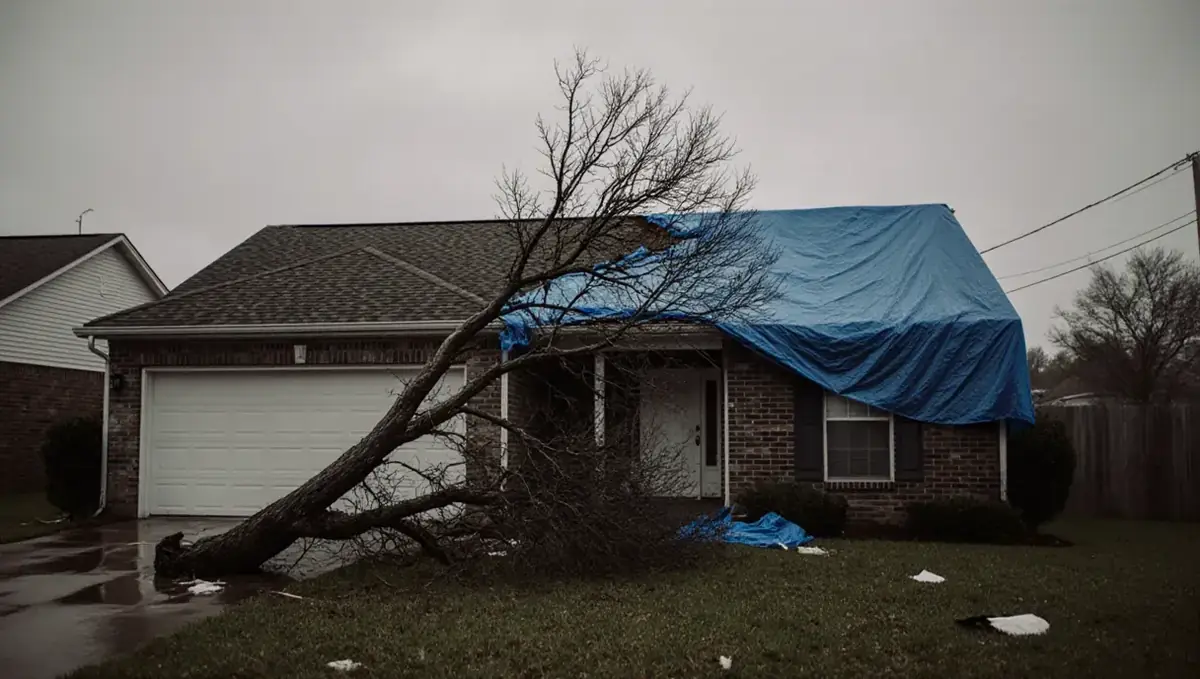
The other half of the Helene story was wind. Across the state, millions of trees came down, and most of the structural damage came from falling trees. A trunk through a roof turns every later rain shower into an indoor problem, which is why storm damage cleanup and water damage in McDonough so often go together.
Fast Growth and What It Means Inside Your Walls
Few Georgia cities have changed as quickly. McDonough had about 8,493 residents in 2000 and 29,051 by 2020, and Henry County as a whole grew from about 36,000 people in 1980 to more than 240,000. Much of the housing is therefore fairly recent construction, built alongside older homes and storefronts around the 1823 town square.
Newer homes bring their own leak patterns. Plastic supply lines, washing machine hoses, ice maker lines and second-floor laundry rooms can all fail, and water from an upstairs leak will travel down through ceilings and into finished rooms below. Older buildings in the McDonough Historic District face different issues, such as aging roofs, plaster walls and original wood that needs careful drying.
Many addresses with a McDonough ZIP code, including Kelleytown, Ola, Flippen and Blacksville, are actually in unincorporated Henry County. That matters when you call about permits or report drainage problems, because the county, not the city, may be the right office.
Before the Restoration Crew Gets There
The steps you take in the meantime can save flooring, cabinets and belongings. Work through this list calmly:
- Shut off the source. Close the fixture valve or the main water shutoff. If you have never found your main, look near the front of the house or in the garage.
- Keep electricity in mind. Stay out of standing water that touches outlets, cords or appliances. Flip breakers only if the panel is dry and easy to reach.
- Identify the type of water. A clean supply line leak is Category 1. Storm runoff, creek water and sewer backups are Category 3 and should be treated as contaminated.
- Record it. Photograph the source, each room and damaged items before you start moving things.
- Lift and remove. Pull rugs, papers and electronics out of wet areas and set furniture on blocks or foil.
- Make one call. Dial (888) 817-5061 and we will connect you with a local professional who can start emergency water extraction.
How a Henry County Drying Job Usually Unfolds
The restoration company you are connected with will tailor the plan to your property, but most projects move through the same stages.
Pulling out standing water
Portable or truck-mounted extractors remove water from carpet, pad and hard floors. Getting bulk water out early limits how far it wicks into drywall and baseboards.
Finding hidden moisture
Moisture meters and thermal cameras show where water moved under vinyl plank, behind cabinets or down into the floor below. Those readings guide the drying plan and support your claim.
Drying the structure
Dehumidifiers and air movers run while the crew checks readings each visit. Wet insulation and drywall are often cut back so wall cavities can dry. Learn more about structural drying.
Putting the home back together
Once materials test dry, water damage repair covers drywall, paint, trim and flooring. Ask any company about its licensing, insurance and training, such as IICRC certification, before signing.
Fallen Trees, Tornado Debris and Roof Openings
South Metro storms are not only about rain. On January 12, 2023, a long-track tornado that heavily damaged Griffin re-strengthened to high-end EF1 intensity as it crossed two neighborhoods on the south side of Locust Grove, just down the road in southern Henry County.
After wind damage, the priority is closing the building. A roof tarp or board-up keeps the next storm from soaking insulation and ceilings. Photograph the tree or debris in place before it is removed, then let a qualified crew handle the wet materials. Our guide to storm damage cleanup explains what that work usually includes.
Never drive across water-covered roads during these events. Statewide, most of the deaths in Georgia's 2009 flood happened in vehicles.
Keeping Mold Out After a Leak in McDonough
Following EPA guidance, mold can start growing on damp materials within 24 to 48 hours, and Georgia's hot, humid summers make that window easy to miss. Carpet pad, the back of drywall and the underside of cabinets are common trouble spots after a leak goes unnoticed.
Georgia does not appear to have a state license specifically for mold assessors or mold remediators, according to an industry roundup of state rules. We could not find an official Georgia agency statement confirming this, so treat it as unconfirmed by the state. In practice, ask for third-party credentials such as IICRC certification and written moisture readings before and after the work.
If reconstruction is part of the job, check the contractor's license with the Georgia Secretary of State at verify.sos.ga.gov. Read more about mold removal and mold cleanup and how containment protects the rest of the house.
Paperwork That Helps a McDonough Claim
- Flood is a separate policy. Standard homeowners coverage generally excludes flooding. NFIP and private flood policies fill that gap, and a new NFIP policy usually takes 30 days to take effect.
- Check your map. Look up your address on the FEMA Flood Map Service Center, but remember that heavy rain can flood homes outside mapped zones.
- Save everything. Keep photos, receipts, moisture logs and drying reports in one folder.
- Ask questions early. Georgia's Office of Commissioner of Insurance and Safety Fire can help if you have trouble with an insurer.
WaterQ cannot predict what an insurer will approve, but clear documentation helps. Business owners and property managers near the square or along the county's commercial corridors can use the same line: call (888) 817-5061, available 24/7, to reach a local restoration company for flood cleanup in McDonough or a commercial water loss.
McDonough Areas and Nearby Henry County Communities
Our free referral line connects callers in McDonough, its unincorporated ZIP-code areas and nearby Henry County towns with independent local restoration providers.
Neighborhoods
- McDonough Square (historic downtown)
- McDonough Historic District
- Lawrenceville Street Historic District
- Kelleytown
- Ola
- Flippen
- Blacksville
Nearby communities
- Stockbridge
- Hampton
- Locust Grove
- Heron Bay
- Luella
- Ellenwood
- Griffin
- Jackson
McDonough Water Damage FAQ
How much rain did Hurricane Helene drop near McDonough?
A CoCoRaHS observer 3.6 miles east of McDonough measured 13.89 inches during Helene in September 2024, and another northwest of town recorded 12.25 inches, according to the National Weather Service in Peachtree City.
My address says McDonough but I live in Kelleytown. Who handles drainage or permits?
Kelleytown, Ola, Flippen and Blacksville are unincorporated areas that use McDonough ZIP codes, so Henry County rather than the City of McDonough is often the right office. Confirm with the county for your parcel.
Do mold remediators need a state license in Georgia?
Georgia does not appear to license mold assessors or remediators specifically, based on an industry roundup, though we found no official state statement confirming it. Ask for certifications such as IICRC and for written moisture readings.
Does homeowners insurance cover flooding from heavy rain in Henry County?
Standard homeowners policies generally exclude flood. Flood coverage comes from an NFIP or private flood policy, and new NFIP policies typically have a 30-day waiting period.
Is WaterQ a McDonough restoration contractor?
No. WaterQ is a free referral service. Your call connects you with an independent, local restoration company that inspects the damage and performs the work. The line is available 24/7.
Local emergency and flood resources
Official sources for alerts, flood maps and preparedness in and around McDonough: