Where Kennesaw's Rain Goes
Kennesaw covers just under 10 square miles in northwest Cobb County at about 1,089 feet above sea level. Just southeast of the city, Kennesaw Mountain rises to 1,808 feet, the highest point in metro Atlanta, inside a 2,965-acre national battlefield park. Rain falling on those slopes has to drain somewhere, and much of it moves through local creeks.
Noonday Creek begins near the mountain and flows north toward Lake Allatoona, and Butler Creek has a flood gauge the National Weather Service lists at Kennesaw. Average yearly precipitation is around 54.6 inches.
The city's own drainage network is a big part of the story. Kennesaw describes it as extensive and aging, with more than 23 miles of pipe, over 4,900 catch basins and other structures, and about 250 detention ponds. When heavy rain overwhelms a clogged inlet or ditch, water can back up into yards, garages and lower levels.
Creek Crests and Campus Flooding in 2009
The September 2009 floods hit Cobb County hard, and the county received a federal disaster declaration. According to National Weather Service records, Butler Creek at Kennesaw crested at 14.27 feet on September 21 against a 12-foot flood stage.
Noonday Creek rose even more dramatically downstream, cresting at 19.66 feet near Woodstock against a 10-foot flood stage and blocking Interstate 575 and State Route 92. At Kennesaw State University, floodwater entered the Social Science building.
Water from a creek, storm drain or flooded yard is Category 3 and can carry sewage and chemicals. Flood damage restoration for that kind of water means removing contaminated porous materials, cleaning and disinfecting, and then drying the structure thoroughly.
Tornadoes, Thunderstorms and Ceiling Leaks
Severe weather is part of Kennesaw's history. On November 22, 1992, an F-4 tornado struck the area and caused 34 injuries. Strong thunderstorms are far more common, and they can drop limbs onto roofs or tear off shingles.
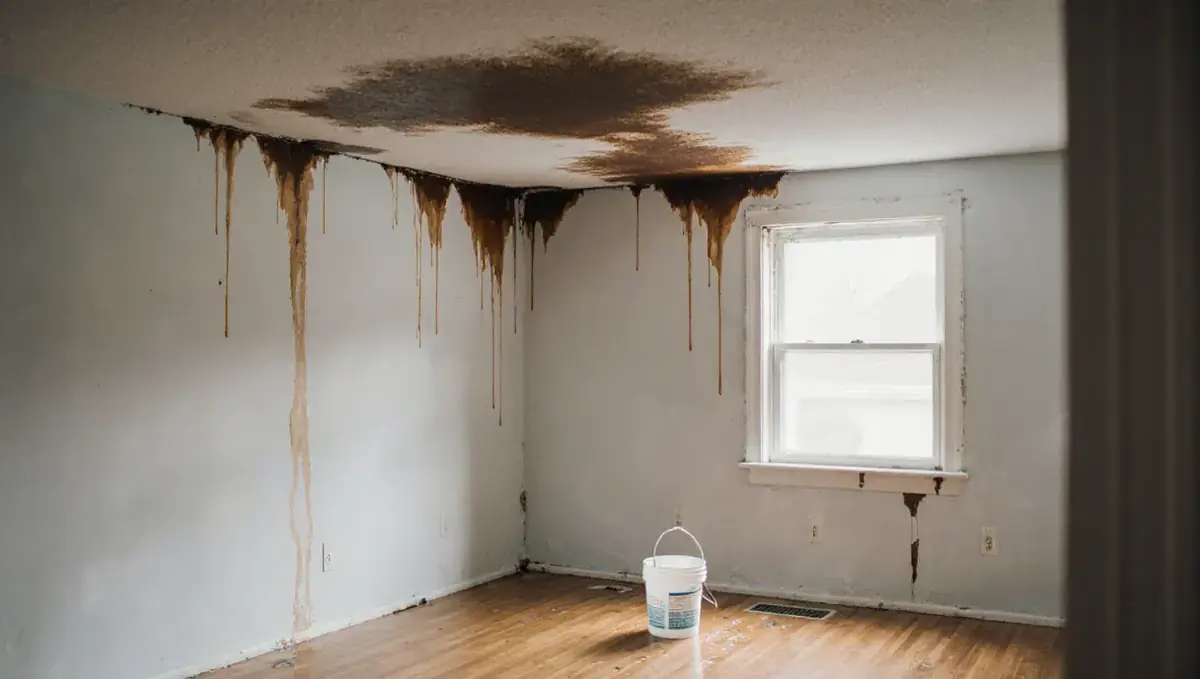
Water that gets through the roof usually soaks attic insulation first, then shows up as a brown stain or a sagging bulge in the ceiling. Do not stand under a sagging ceiling, and move belongings away from it. After the storm passes and it is safe, tarp the roof opening, take photos and ask about storm damage cleanup that includes drying the attic and ceiling cavities. Report fallen trees or drainage problems in the street through Kennesaw 311.
Kennesaw Checklist: The Moments After a Leak
- Stay safe. Keep away from standing water near outlets and appliances. Never drive through a flooded road.
- Shut off the water. Close the main valve, or the fixture valve if the source is a toilet, washer or water heater.
- Figure out the water type. Supply-line water is cleanest. Storm runoff and sewer backups require extra caution.
- Record the damage. Photograph the source, water levels and damaged items before moving anything.
- Get things off the floor. Move rugs, electronics, books and papers to a dry area.
- Reach a professional. Dial (888) 817-5061 any time and the line will put you in touch with a Kennesaw-area provider for emergency water extraction.
Extraction, Drying and Rebuilding in Kennesaw
Water removal
Pumps and extractors take out standing water from floors, carpet and lower levels. The sooner this happens, the less water wicks into walls and cabinets.
Finding what is still wet
Moisture meters and thermal imaging show where water traveled under flooring, behind baseboards or into the unit next door.
Controlled drying
Dehumidifiers and air movers run while technicians log readings each day. The structural drying phase ends only when materials meet dry standards.
Repairs
Water damage repair follows, replacing drywall, flooring, trim and cabinets. For rebuild work, look up the contractor's Georgia license on the Secretary of State's license site.
Mold After a Leak: Kennesaw Homeowner Notes
Under EPA guidance, mold can appear on wet materials within 24 to 48 hours, and a Georgia summer accelerates that. Ceilings below a roof leak, carpet in basements and the backs of kitchen cabinets are common problem spots.
An industry roundup of state requirements reports that Georgia does not issue a license specifically for mold assessors or mold remediators. That claim has not been confirmed by an official Georgia agency statement we could locate, so it remains unconfirmed by the state. Choose a company that can show IICRC or similar training and will put moisture readings in writing before and after the work. See mold removal for how containment works.
Coverage, Flood Maps and Claim Records
- Flood needs separate coverage. Homeowners and renters policies generally exclude flooding. NFIP coverage normally starts after a 30-day waiting period.
- Look up your zone. The Georgia Flood Map Program shows mapped flood hazard areas along Noonday Creek, Butler Creek and other streams.
- Keep a claim folder. Store photos, moisture logs, invoices and receipts for tarps, plumbing and temporary housing together.
For drainage questions, Kennesaw Public Works can be reached at 770-421-8582.
Businesses along Cobb Parkway and near downtown's Main Street can use the same 24/7 line. A shop or office that documents moisture readings and lost inventory from day one is in a much better position when it is time to talk with an adjuster.
Kennesaw Areas and Nearby Cobb and Cherokee Communities
WaterQ's free referral line connects callers across Kennesaw and neighboring northwest metro communities with independent local restoration companies.
Neighborhoods
- Downtown Kennesaw (Main Street)
- Kennesaw train depot area
- Kennesaw State University area
- Swift-Cantrell Park area
- Adams Park area
- Big Shanty Road area
- Cobb Parkway corridor
- Kennesaw Mountain area
Nearby communities
Kennesaw Water Damage FAQ
How do I report a clogged storm drain or ditch in Kennesaw?
Use Kennesaw 311, the city's non-emergency reporting platform, through the city website, the City of Kennesaw app or by phone at 770-424-8274. Public Works handles stormwater questions at 770-421-8582.
Did Butler Creek flood in 2009?
Yes. National Weather Service records show Butler Creek at Kennesaw crested at 14.27 feet on September 21, 2009, above its 12-foot flood stage.
I rent near Kennesaw State. Who pays for water damage to my things?
Usually your own renters insurance covers your personal belongings, while the landlord's policy covers the building. Report the leak to your landlord promptly and photograph your damaged items.
Are mold remediators licensed by the state of Georgia?
An industry roundup says Georgia has no license specific to mold remediators, though we have not found official state confirmation. Ask about certifications such as IICRC and written moisture readings.
Is WaterQ the company that comes out to my Kennesaw home?
No. WaterQ is a free referral service that connects you, 24/7, with an independent, local restoration company that inspects and performs the work.
Local emergency and flood resources
Official sources for alerts, flood maps and preparedness in and around Kennesaw: