Higher Ground, Yet a Long List of Floods
Zachary sits about 16 miles north of Baton Rouge at roughly 102 feet above sea level, much higher than the river towns to the south. It would be easy to assume flooding is someone else's problem. The city's own floodplain office says otherwise: it lists major floods in 1977, 1983, 1993, 1994, 2001, 2002, 2005, 2008, 2012 and 2016.
The reason is rain, and lots of it. The Baton Rouge area averages about 62 inches a year, and slow-moving storms can drop far more than the local ditches, creeks and the Comite River basin can carry away at once. Water then backs up into yards, garages and slab homes.
Zachary has also grown quickly, from 14,960 residents in 2010 to 19,316 in 2020. New subdivisions and new homeowners may not know which streets have flooded in the past, so it pays to check the city's flood tools before trouble arrives.
Plumbing is the other everyday source. A cracked supply line, a leaking dishwasher or a water heater at the end of its life can soak a slab home's flooring and lower walls overnight, and the steps to deal with it are much the same as after a storm.
Twenty-Six Inches in Three Days: August 2016
The National Weather Service recorded 26.14 inches of rain at a gauge on Highway 64 near Zachary between August 11 and 13, 2016, including 17.5 inches on Saturday alone. The U.S. Geological Survey noted that the Comite River, which serves north Baton Rouge and suburbs including Baker and Zachary, crested early on Sunday, August 14, at record levels.
That kind of rain overwhelms drainage nearly everywhere. For local homeowners, it is a reminder that flood cleanup in Zachary can be needed even far from a large river, and that a home's flood zone label is only part of the story.
A Calm Checklist for the First Hours
- Protect people first. Keep away from standing water near outlets, cords and appliances. Do not reset breakers in a wet panel.
- Find and stop the source. For a leak, shut off the main water valve. For rising floodwater, move to higher ground and follow official instructions.
- Identify the water type. A supply line leak is usually clean (Category 1). Floodwater and sewer backups are Category 3 and need protective gear and professional cleaning.
- Take pictures and video. Get every room, the waterline, the source and damaged items.
- Lift and remove. Pull rugs, papers and electronics out of wet areas and put foil under furniture legs.
- Bring in help. Call (888) 817-5061 and we connect you with a local restoration professional for emergency water removal.
Extraction, Drying and Rebuild in Plain Terms
Most water damage restoration in Zachary follows four stages, though the details vary from job to job.
1. Remove the water
Portable or truck-mounted extractors pull water out of carpet, pad and hard surfaces. Getting the bulk water out quickly limits how far it wicks into walls.
2. Measure and open up
Moisture meters and thermal cameras show where water spread. Baseboards may come off, and wet insulation or drywall is cut out so wall cavities can breathe.
3. Dry with equipment
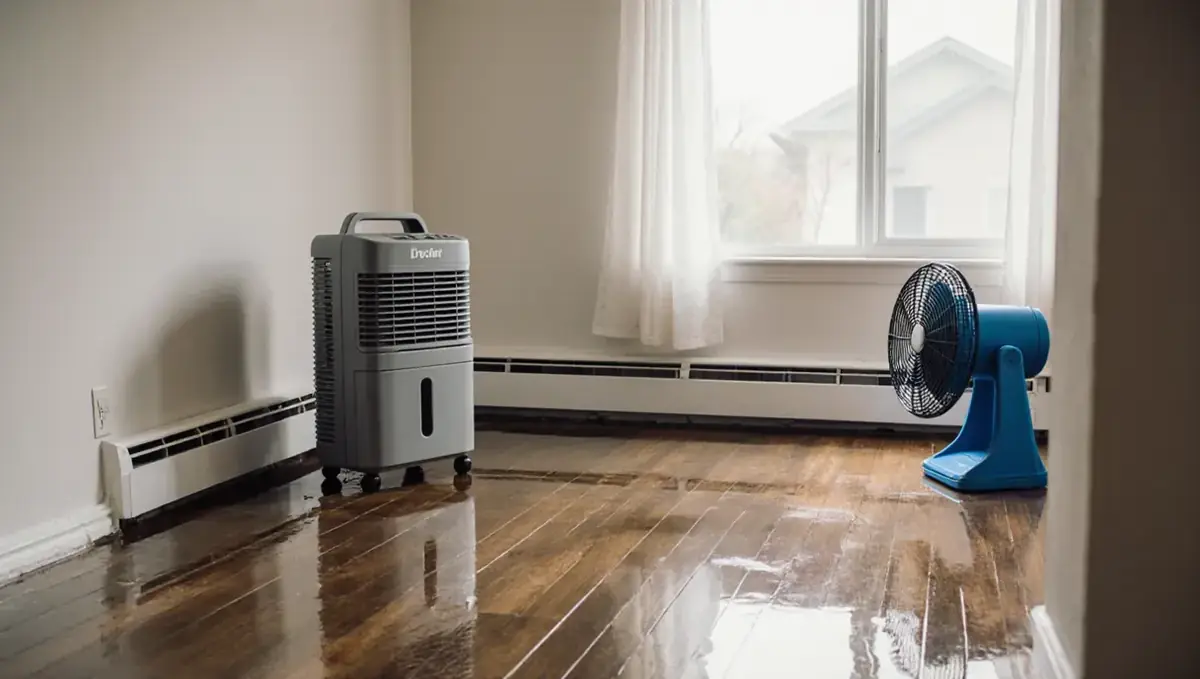
Dehumidifiers and air movers run for several days, with readings taken until materials reach dry targets. Read about structural drying for more.
4. Put it back together
Water damage repair replaces drywall, flooring, trim and cabinets once everything is verified dry. Before signing, it is fair to ask a contractor about licensing, insurance and training credentials like IICRC certification.
Thunderstorms, Tropical Systems and Roof Damage
Hurricane season runs June 1 through November 30, and storms that weaken inland can still bring damaging wind and torrential rain to East Baton Rouge Parish. Summer thunderstorms add their own share of downed limbs and lifted shingles.
Roof damage often hides at first. Check attic insulation and ceilings after any major storm, and tarp or cover openings quickly to keep rain out. Storm damage cleanup in Zachary typically combines that temporary protection with removal of wet ceiling materials and drying. See storm damage cleanup for an overview.
Preventing Mold and Hiring a Licensed Remediator
EPA guidance says mold may begin growing on wet materials within 24 to 48 hours. In a south Louisiana summer, a closed-up house with wet carpet can develop a musty smell quickly, so drying should start as soon as it is safe.
Louisiana requires a Mold Remediation license from the State Licensing Board for Contractors (LSLBC) for remediation work valued at $7,500 or more, and applicants complete 24 hours of board-approved training. A separate Home Improvement Registration applies to home improvement jobs at or above that same $7,500 mark. Because thresholds can change, check any contractor through the Verify Licensure search on lslbc.gov before mold removal in Zachary begins.
Find out how containment works on our mold removal page.
Zachary's Flood Tools, Discounts and Insurance Tips
Zachary takes part in FEMA's Community Rating System at Class 7 through the Capital Region Area Floodplain Task-Force (CRAFT). According to the city, more than 500 policyholders receive a 15 percent reduction on flood insurance premiums as a result.
- Look up your property. The city posts a floodplain management page with a floodplain map, a Flood Fact Finder tool, elevation certificates and historic flood maps. Its Certified Floodplain Manager can answer questions.
- Renters are not left out. A contents-only NFIP policy can cover belongings in a rental unit.
- Flood is excluded from standard policies. Homeowners insurance generally does not cover flooding, and NFIP policies typically have a 30-day waiting period.
- Keep a paper trail. Save photos, invoices and drying logs for your adjuster.
Homeowners, landlords and shop owners in the Downtown Historic District alike can call (888) 817-5061 around the clock. The same line serves Baton Rouge and Denham Springs.
Serving Zachary and North East Baton Rouge Parish
Callers in Zachary and surrounding communities can use the free line to reach independent local restoration providers.
Neighborhoods
- Downtown Historic District
- Virginia Street
Nearby communities
- Baker
- Central
- Baton Rouge
- Port Hudson
- Slaughter
- Jackson
- St. Francisville
- Pride
Zachary Water Damage FAQ
Zachary is on high ground. Why does it flood?
Most local flooding comes from extreme rainfall that drainage cannot keep up with. The city lists major floods in 1977, 1983, 1993, 1994, 2001, 2002, 2005, 2008, 2012 and 2016, and a gauge near Zachary recorded more than 26 inches of rain in August 2016.
Can I get a discount on flood insurance in Zachary?
Zachary participates in the Community Rating System at Class 7, and the city says more than 500 policyholders receive a 15 percent premium reduction. Ask your agent how it applies to your policy.
I rent my home in Zachary. Can I insure my belongings against flood?
Yes. The National Flood Insurance Program offers contents-only policies that can cover personal items in a rental unit damaged by a flood.
Who checks a mold contractor's license in Louisiana?
The Louisiana State Licensing Board for Contractors. A Mold Remediation license is required for remediation work valued at $7,500 or more, and you can search contractors with the Verify Licensure tool on lslbc.gov.
Does WaterQ perform the restoration work?
No. WaterQ is a free referral line available 24/7 that connects you with an independent, local restoration company, which then inspects and handles the job.
Local emergency and flood resources
Official sources for alerts, flood maps and preparedness in and around Zachary: