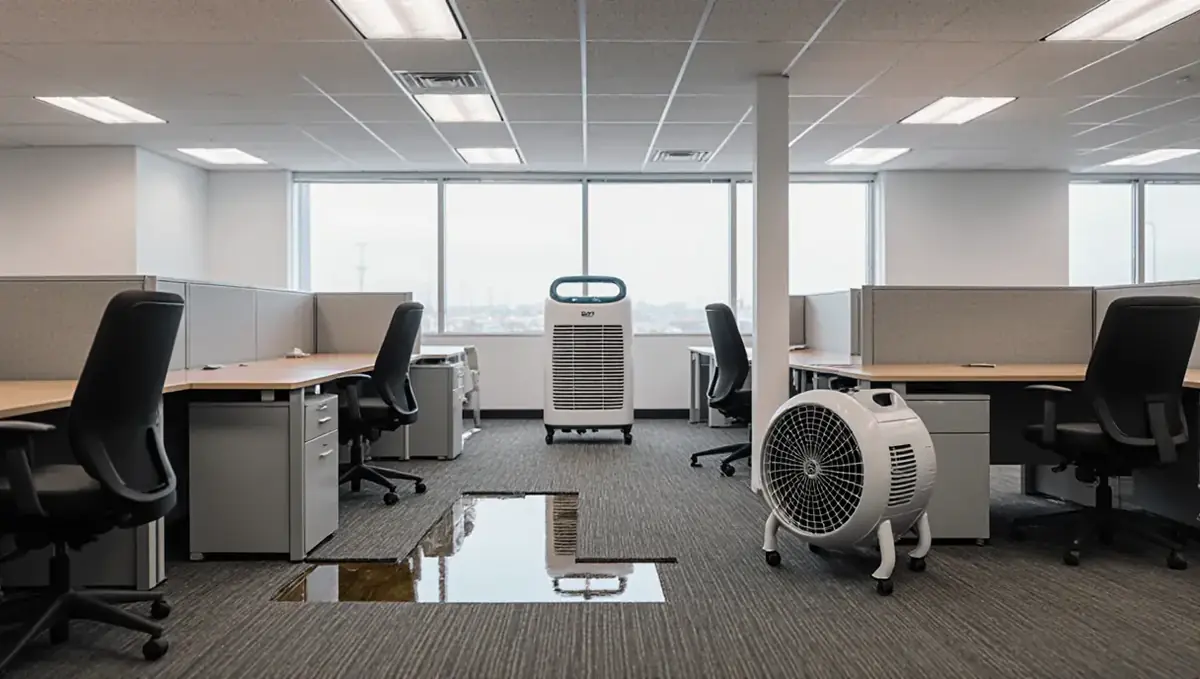
High Bluffs, Heavy Rain: Baton Rouge's Flood Paradox
Baton Rouge sits on the first set of bluffs north of the Mississippi River delta, at roughly 46 feet above sea level. Compared with the coast, that is high ground, and for generations many residents assumed serious flooding was a problem for somewhere else.
The numbers tell a different story. The capital averages about 62 inches of rain a year, summers are hot and humid, and east of the city the Comite River drains roughly 348 square miles before joining the Amite. When those rivers rise, homes in outlying areas east of Baton Rouge can flood, and the flood of record covered Greenwell Springs Road.
Inside the city, most water damage in Baton Rouge comes from more ordinary sources:
- Intense thunderstorms that overwhelm street drains and low lots
- Roof and window leaks during tropical storms
- Burst supply lines, failed water heaters and leaking appliances
- Leaks in multi-story buildings that travel between floors
August 2016 and the Rivers East of the Capital
Between August 11 and 14, 2016, a storm system dropped more than 20 inches of rain across several parishes. The highest total, 31.39 inches, fell at Watson, just northeast of Baton Rouge. Eight rivers, including the Amite and the Comite, reached record levels, and the U.S. Geological Survey put damage at about $10 billion.
Statewide, more than 146,000 homes were thought to be damaged, and only about 21 percent of structures had flood coverage. The flooding also reached areas outside mapped high-risk zones, which is why that event is still a reference point for capital-area owners.
For flood cleanup in Baton Rouge, river water is treated as Category 3. That usually means removing soaked drywall, insulation and flooring, cleaning and sanitizing what remains, and then drying the structure. Nearby communities such as Denham Springs and Zachary faced the same rivers.
Gustav and the Wind Side of Hurricane Season
Hurricanes lose strength over land, but Baton Rouge is close enough to the Gulf to feel them. On September 1, 2008, Hurricane Gustav became the worst hurricane ever to hit the Baton Rouge area, with winds topping 100 mph. Falling trees, torn roofing and long outages were the main problems, not storm surge.
That pattern shapes storm damage cleanup here. Wind opens the roof, rain soaks the attic insulation and ceilings, and without power the house cannot dry. A restoration crew will usually tarp first, remove wet ceiling material, and run dehumidifiers on generator power if utility service is still out.
Hurricane season runs June 1 through November 30. Red Stick Ready, the preparedness program of the East Baton Rouge Mayor's Office of Homeland Security and Emergency Preparedness, posts seasonal guidance at redstickready.com.
What to Do in the First Hour
- Stay clear of electrical risk. Do not enter water that may be in contact with outlets, power strips or a breaker panel. In apartments and offices, alert building management.
- Stop the flow. Shut the main valve or the fixture valve. In a multi-story building, ask staff to check the units or suites below.
- Sort the water type. Clean water from a supply line is Category 1; dishwasher or washing machine overflow is often Category 2; river, street or sewer water is Category 3.
- Document it. Photograph the source, the water depth and damaged items before anything is moved or thrown out.
- Get a crew started. Call (888) 817-5061, and we will connect you with a local restoration company for water extraction.
Offices, Clinics and Multi-Unit Buildings
As the state capital, Baton Rouge has a dense mix of government offices, Downtown commercial space, the Medical District along Essen Lane and Bluebonnet Boulevard, and plenty of apartment buildings. Commercial water damage restoration in Baton Rouge often has priorities a house does not:
- Keeping operations running. Drying plans may section off affected areas so the rest of the building stays open.
- Carpet tile. Many offices use carpet tile, which can sometimes be lifted, dried and reinstalled after clean water losses.
- Moisture records. Property managers, tenants and insurers all want readings that show when each area is dry.
- After-hours work. Extraction and equipment setup can often be scheduled around business hours.
Business owners and property managers can call (888) 817-5061 to reach local providers that handle commercial losses.
Drying, Repairs and Mold Prevention
Most jobs follow the same arc. Crews extract standing water, map moisture with meters and thermal cameras, remove materials that cannot be saved, and run air movers and dehumidifiers until readings reach dry targets. Learn more about structural drying and water damage repair.
EPA guidance notes that mold can start growing on damp materials within 24 to 48 hours, and Baton Rouge summers make that likely. If you need mold removal in Baton Rouge, know that Louisiana regulates larger jobs: the Louisiana State Licensing Board for Contractors requires a Mold Remediation license for remediation valued at $7,500 or more, and applicants complete 24 hours of board-approved training. The board's thresholds can change, so verify current rules and a company's license at lslbc.gov. See our mold removal overview.
Flood Policies, Wind Claims and City-Parish Services
- Two kinds of coverage. Homeowners policies generally exclude flood, so rising water needs an NFIP or private flood policy. NFIP coverage typically starts after a 30-day wait.
- Inland still counts. The 2016 flood reached many homes outside mapped high-risk areas. Check your address on the FEMA Flood Map Service Center and consider coverage either way.
- Separate the causes. Wind-driven roof damage and rising water are usually handled by different policies, so keep photos and receipts organized by cause.
- Report drainage problems. Clogged ditches and non-emergency drainage issues can be reported through Red Stick 311 on brla.gov.
WaterQ cannot say how an insurer will handle your claim. It can connect you with a local restoration company that documents the loss thoroughly, which supports every step after.
Baton Rouge Neighborhoods and Capital-Area Communities
Our free referral line connects callers across Baton Rouge and East Baton Rouge Parish, plus neighboring capital-area communities, with independent local restoration providers.
Neighborhoods
- Downtown
- Garden District
- Highland Road area
- Goodwood
- Broadmoor
- Mid-City
- Perkins Road Arts District
- Scotlandville
- North Baton Rouge
- Northeast Baton Rouge
- Sherwood Forest
- Medical District
Nearby communities
- Zachary
- Baker
- Central
- St. George
- Denham Springs
- Walker
- Plaquemine
- Gonzales
- Prairieville
Baton Rouge Water Damage FAQ
Baton Rouge is on bluffs above the river. Why did it flood in 2016?
The water came from rain and rivers, not the Mississippi. More than 20 inches of rain fell across several parishes, with 31.39 inches at Watson, and the Amite and Comite rivers reached record levels.
Which parts of the Baton Rouge area are most exposed to river flooding?
Outlying areas east of the city near the Comite and Amite rivers can flood when those rivers rise. Check your specific address on the FEMA Flood Map Service Center.
Can wet carpet tiles in my office be saved?
Sometimes. After a clean water leak, carpet tile can often be lifted, dried and reinstalled. After river or sewer water, it is usually discarded. The restoration company will assess the water category and the materials.
Where do I report a clogged drain or ditch in Baton Rouge?
Non-emergency drainage concerns can be reported through Red Stick 311, the city-parish service line listed on brla.gov.
Does WaterQ have its own restoration crews in Baton Rouge?
No. WaterQ is a free referral service. Our line is available 24/7, and we connect you with an independent, local restoration company that performs the work.
Local emergency and flood resources
Official sources for alerts, flood maps and preparedness in and around Baton Rouge: