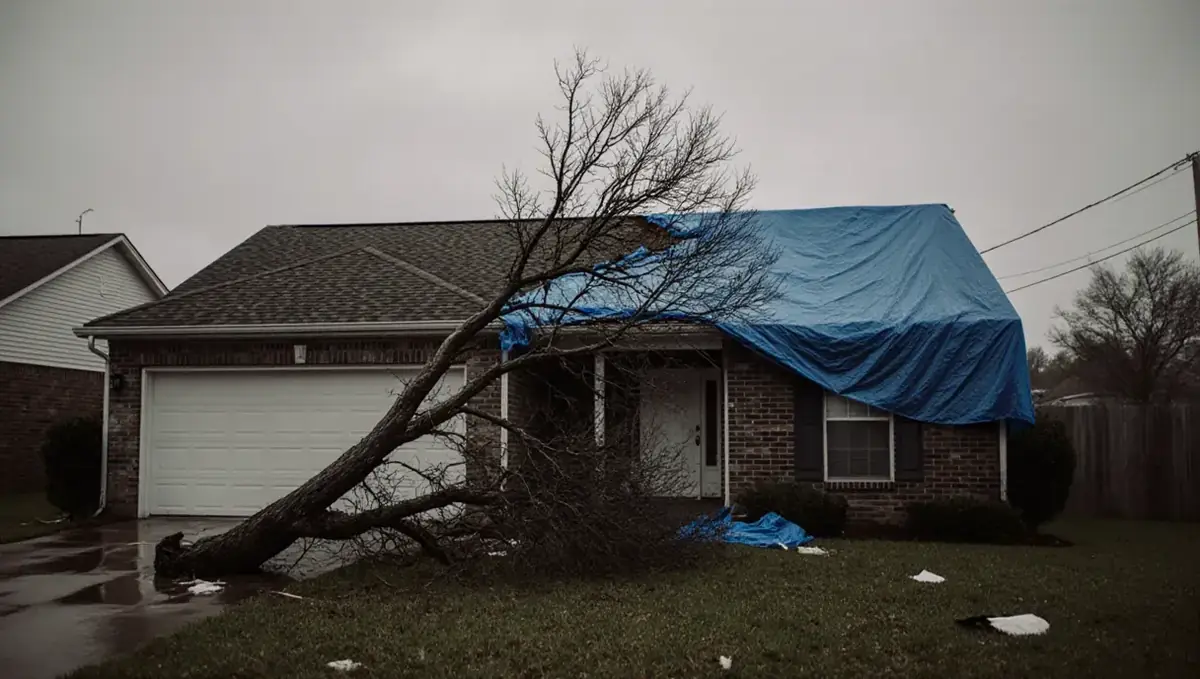
Far From the Gulf, Still in the Storm Path
Alexandria sits on the south bank of the Red River, almost exactly in the middle of Louisiana, roughly 82 feet above sea level. People sometimes assume that distance from the Gulf means hurricanes are someone else's problem. The record here says otherwise.
When Hurricane Laura moved north in August 2020, the National Weather Service reported a peak gust of 91 mph at Alexandria's ASOS weather station, and homes across Rapides Parish were damaged by fallen trees and wind. Hurricane Rita in 2005 knocked out power widely and damaged roofs in the city. In 2008, Hurricane Gustav brought widespread flooding, and some low-lying Alexandria neighborhoods ended up with several feet of water inside houses.
For local homeowners, that adds up to a pattern: wind opens the roof or drops a pine onto it, then the rain that follows soaks attics, ceilings and walls. That is where storm damage cleanup and drying usually begin in this part of the state.
Bayou Rapides, Bayou Robert and Hynson Bayou
The city is built on a level plain, and several small bayous meander right through town, including Bayou Rapides, Bayou Robert and Hynson Bayou (the historic Garden District is bounded in part by Bayou Hynson). Flat ground and slow-moving channels mean heavy rain can back up into yards, streets and garages before it drains.
Rainfall is steady, too. Alexandria averages about 61 inches of precipitation a year, and the wettest months on its climate table are November, December and January, not the summer. So a soaked crawlspace or a leaking roof can turn up in midwinter just as easily as during hurricane season.
If water has come in from outside, treat it as contaminated. Bayou and street runoff can carry sewage, fuel and debris, which places it in Category 3 under industry terminology. That changes what can be saved and how the area must be cleaned, which is why flood cleanup involves more than pumping and fans.
Before the Restoration Company Gets There
A few calm steps in the first hour can make the rest of the job smaller:
- Check for danger. Downed lines, a tree resting on the roof, or water near outlets all mean staying out of that area until it is safe.
- Shut off the source. For plumbing leaks, close the main valve. If storm water is entering through the roof, move valuables and set out buckets rather than climbing up in the wind.
- Record what you see. Photograph the ceilings, floors, damaged belongings and any visible roof damage before anything is moved or thrown away.
- Get air moving only if power is safe. Open interior doors and run fans where the wiring is dry.
- Call for help. Dial (888) 817-5061 and we will connect you with a local restoration professional who can start emergency water extraction and temporary protection like roof tarping.
Remember that after Gustav, power to most water wells in the Alexandria and Pineville area went out. Extended outages can delay drying, so let the company know if you are running on a generator.
From Wet Floors to Finished Walls: The Repair Sequence
Water damage repair in Alexandria follows a fairly standard order, though the details depend on the house and the water source.
Stop further damage
After a storm, the first task is often tarping or boarding an opening so the next rain does not undo the drying. Inside, standing water is pulled out with portable or truck-mounted extractors.
Find the hidden moisture
Moisture meters and thermal cameras show where water has wicked into drywall, subflooring and insulation. On older homes with wood floors over a crawlspace, technicians will often check underneath as well.
Dry it on purpose
Air movers and dehumidifiers run for several days, with readings logged until materials reach dry targets. Central Louisiana's humid summers make dehumidification essential; simply opening windows usually adds moisture rather than removing it. Learn more about structural drying.
Rebuild
Once everything tests dry, the restoration company or a separate contractor replaces drywall, trim, flooring and cabinets. See our overview of water damage repair for what this stage covers.
Mold in a Humid River City, and Louisiana's License Rule
Under EPA guidance, mold can start growing on damp materials within 24 to 48 hours. In Alexandria's heat and humidity, a wet attic after a roof failure or a damp crawlspace under a bungalow can develop growth quickly, so drying should start as soon as it is safe.
Louisiana does regulate this work. The Louisiana State Licensing Board for Contractors (LSLBC) requires a Mold Remediation license for remediation work valued at $7,500 or more, and applicants must complete 24 hours of board-approved training in mold remediation and basic mold assessment. You can check a company's credentials with the Verify Licensure search on the LSLBC website. Thresholds can change, so confirm the current rules with the board before you sign.
Smaller jobs still deserve a careful company. For mold removal or mold cleanup in Alexandria, ask about containment, how affected materials will be removed and how the area will be verified afterward. Read more about mold removal.
Garden District Bungalows, Post-War Ranches and Commercial Space
Alexandria's housing ranges widely. The National Register-listed Garden District, about 105 acres near Bolton Avenue, includes Craftsman bungalows and Colonial Revival homes. The city also has a recognized Post-War Suburbs Historic District, and the Downtown Alexandria Commercial Historic District holds older storefronts and offices.
- Older homes often have plaster, original wood floors and crawlspaces where water can linger unseen.
- Mid-century houses may have aging supply lines and water heaters that fail without warning.
- Businesses and rentals downtown or near the airport at England Airpark need documented drying so tenants and owners can reopen with confidence.
Property managers and business owners can use the same line, (888) 817-5061, to be connected with a provider that handles commercial water damage restoration.
Paperwork That Helps an Alexandria Claim
Standard homeowners policies generally exclude flood. Rising water from a bayou or street is usually covered only by an NFIP or private flood policy, and NFIP coverage typically has a 30-day waiting period. Wind and wind-driven rain through a damaged roof are often handled under the homeowners policy, but read your own policy for the specifics.
- Photograph damage before mitigation begins, then keep photos of each step.
- Save receipts for tarping, water extraction and any temporary housing.
- Ask the restoration company for moisture logs and a written drying report.
- Check your address on the FEMA Flood Map Service Center so you know your zone before the next storm.
WaterQ cannot predict how an insurer will respond, but a clear record helps. If you are dealing with a loss now, a phone call is the quickest way to start. You can also browse other Louisiana service areas, including Shreveport.
Alexandria Areas and Central Louisiana Towns We Help Connect
Our free referral line serves callers throughout Alexandria and nearby Rapides Parish communities on both sides of the Red River, connecting them with independent local restoration providers.
Neighborhoods
- Downtown Alexandria
- Garden District
- Cultural Arts District
- Post-War Suburbs Historic District
- Rapides Station area
- Bolton Avenue corridor
- England Airpark
Nearby communities
- Pineville
- Ball
- Boyce
- Woodworth
- Lecompte
- Tioga
- Deville
- Forest Hill
- Glenmora
Alexandria Water Damage FAQ
Alexandria is far from the coast. Do hurricanes really cause water damage here?
Yes. Hurricane Laura produced a 91 mph gust at Alexandria's ASOS weather station in 2020, Rita damaged roofs in 2005, and Gustav left several feet of water in some low-lying Alexandria homes in 2008. Roof damage followed by rain intrusion is a common result.
Is water from Bayou Rapides or a flooded street safe to clean up myself?
It is best treated as contaminated (Category 3) water because it can carry sewage and debris. Avoid contact, keep children and pets away, and have a restoration company remove affected materials and sanitize the area.
Do I need a licensed company for mold remediation in Louisiana?
For remediation work valued at $7,500 or more, the Louisiana State Licensing Board for Contractors requires a Mold Remediation license. You can check a company with the Verify Licensure search on lslbc.gov, and it is wise to confirm current thresholds with the board.
What if the power is out after a storm in Alexandria?
Tell the restoration company when you call. Drying equipment needs power, so they may bring generators or adjust the plan. In the meantime, document damage, move belongings out of wet areas and stay clear of downed lines.
Does WaterQ do the restoration work itself?
No. WaterQ is a free referral service. The line is available 24/7 and connects you with an independent, local restoration company, which inspects the property and performs the work.
Local emergency and flood resources
Official sources for alerts, flood maps and preparedness in and around Alexandria: