Living Below Sea Level Means Every Drop Gets Pumped
New Orleans averages about 1 to 2 feet below sea level, and parts of New Orleans East sit as much as 7 feet below. With the Mississippi River on one side and Lake Pontchartrain on the other, rain cannot drain away on its own. The Sewerage and Water Board pumps it out through 24 drainage pump stations, about 200 miles of canals and roughly 1,500 miles of drain pipes.
That system is designed to handle about 1 inch of rain in the first hour and roughly half an inch per hour after that. Storms that drop more than about an inch an hour can overwhelm it, and pump or power problems during heavy rain raise the risk further. The result is street flooding that can push water into low-lying homes and cars even when no hurricane is anywhere near.
The land itself is also sinking. Large parts of Orleans, St. Bernard and Jefferson parishes continue to subside because levees and drainage keep new sediment from building the ground back up.
Rainstorms That Flooded the City Without a Hurricane
Some of the city's damaging floods came from rain alone. In May 1995, extreme rainfall, with about 24 inches recorded at Tulane, flooded homes across Orleans and Jefferson parishes. On August 5, 2017, a nearly stationary thunderstorm dropped roughly 4 to 9 inches of rain in a few hours, and Mid-City was hit hardest.
These events are a reminder that flood cleanup in New Orleans is not only a hurricane-season job. If water enters during a summer downpour, the steps are the same: stay safe, document the damage and start drying quickly. For water damage restoration in New Orleans after any kind of flooding, a local professional can assess whether carpet, drywall and insulation can be saved or must be removed. Keep an eye on the NWS New Orleans/Baton Rouge office and NOLA Ready emergency alerts when heavy rain is in the forecast.
Hurricanes, Surge and Wind-Driven Rain
Hurricane season runs June 1 through November 30, and storms strike Louisiana on average about once every three years. After Hurricane Katrina in 2005, failures in the levee system left about 80 percent of the city underwater. In 2021, Hurricane Ida made landfall near Port Fourchon as a Category 4 storm and caused damage across southeast Louisiana, including the New Orleans area.
Not every hurricane loss is a flood. Wind-driven rain and damaged roofs are some of the most common sources of interior water damage after a storm. Water may come in around windows, through torn shingles or under siding, then soak ceilings and insulation for days before anyone notices. A restoration crew can tarp openings, remove wet materials and start storm damage cleanup once it is safe to enter.
Right After the Water: A Short Checklist
- Wait for safe conditions. Do not walk or drive through flooded streets, and stay out of rooms where water may reach outlets or appliances.
- Cut off what you can. Shut the main water valve for a plumbing leak, and turn off electricity at the panel if you can do so from a dry spot.
- Document before you clean. Photograph waterlines, damaged belongings and the outside of the home. Keep receipts for emergency costs such as tarping and water extraction.
- Treat floodwater as contaminated. Water from streets, canals or a sewer backup is Category 3 under IICRC S500 terms. Wear gloves and boots and avoid skin contact.
- Get drying started. Call (888) 817-5061 to connect with a local company for emergency water extraction.
Raised Shotguns, Creole Cottages and the Space Underneath
New Orleans is known for historic homes: shotgun houses raised on brick piers, center-hall cottages, bungalows, and Creole cottages and townhouses in the French Quarter. Raising a house helps keep the living space above street water, but the crawlspace below can collect standing water, trap humidity and hide leaking under-floor plumbing.
Left wet, joists and subflooring can rot and grow mold. After heavy rain or a plumbing leak, have someone check under the house for puddles, damp insulation and soft wood. Homes in the lowest areas, including parts of New Orleans East, carry the greatest flood exposure, while older raised homes elsewhere may see more slow, hidden moisture problems.
What Professional Flood Restoration Involves
The restoration company you are connected with will tailor the plan to your building, but most flood damage restoration projects move through the same stages.
Pumping and extraction
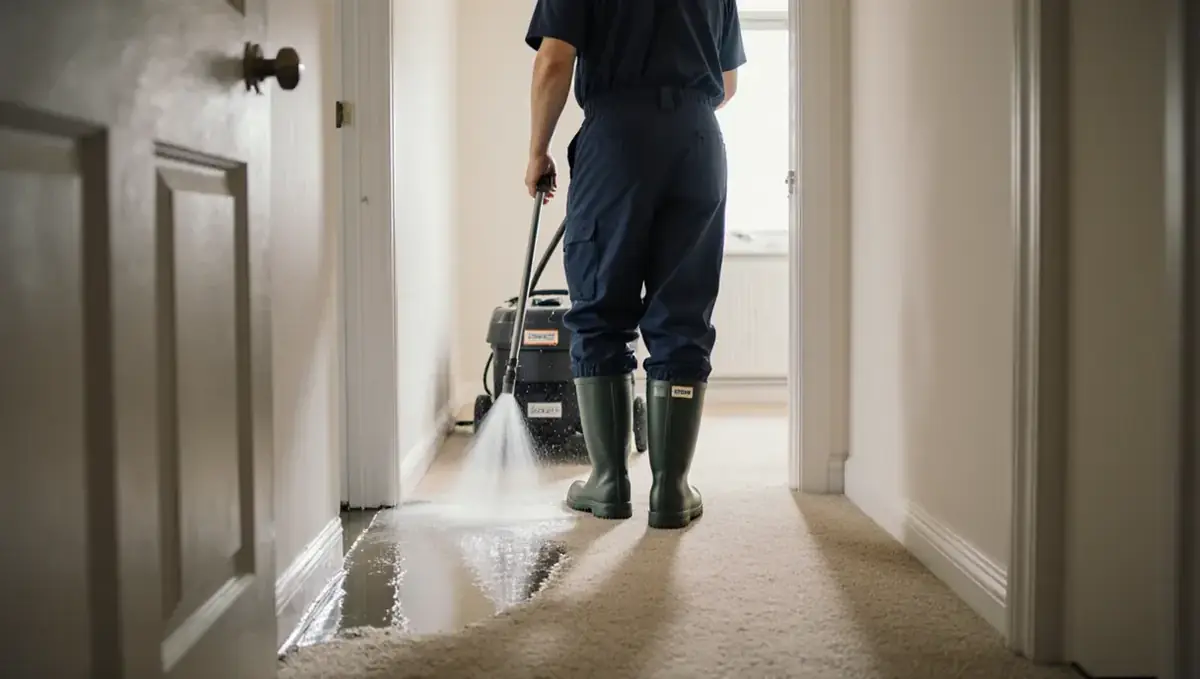
Standing water is pumped or vacuumed out, including from crawlspaces where possible. Soaked carpet and pad touched by floodwater are usually removed.
Finding hidden moisture
Moisture meters and thermal cameras show how far water wicked up walls and into framing. Crews often cut drywall above the wet line so cavities can dry.
Cleaning and drying
Affected surfaces are cleaned and treated, then dehumidifiers and air movers bring wood and masonry back to normal moisture levels. Readings are logged until the job is dry. See structural drying for more.
Rebuilding
Once everything tests dry, drywall, insulation, flooring and trim are replaced. Older homes may need care to match original materials.
Humidity, Mold and Louisiana's Licensing Rules
New Orleans is hot and humid much of the year, so wet drywall, insulation and flooring can start growing mold quickly, often within 24 to 48 hours. Getting materials dry or removed fast is the most effective way to keep a water problem from becoming a mold problem.
Louisiana regulates this work. The Louisiana State Licensing Board for Contractors (LSLBC) requires a Mold Remediation license for larger remediation jobs, and license holders must complete board-approved training in mold remediation and basic mold assessment. Home improvement work above a set dollar amount also requires LSLBC registration. Before you sign a contract, confirm the current requirements and check the company with the LSLBC license verification search. Our mold removal page covers what remediation usually includes.
Flood Insurance and Claims in Orleans Parish
Standard homeowners policies generally exclude flood. Flood insurance is mandatory for federally backed mortgages in Special Flood Hazard Areas, such as zones AE and VE, and many New Orleans properties fall in or near these zones. Even if it is not required for you, coverage is worth a look, and a new NFIP policy usually has a 30-day waiting period, so do not wait until a storm is in the Gulf.
Wind damage and flood damage are often handled under different policies, so keep photos that show where the water came from. Save every receipt, keep copies of the restoration company's moisture readings and write down each conversation with your adjuster. You can look up your flood zone at the FEMA Flood Map Service Center.
Help for Homes, Rentals and Businesses
A flooded ground-floor restaurant in the French Quarter, a leaking roof on an Uptown double, and a multi-unit building in Mid-City all need different plans. Commercial properties often need drying that works around operating hours, while landlords need clear records to share with tenants and insurers.
Whatever kind of property you own or manage, call (888) 817-5061. The line is available 24/7, and we will connect you with a trusted, local restoration company. Ask any provider about its licensing, insurance and training, for example IICRC certification, before work begins.
New Orleans Neighborhoods and Surrounding Parishes
Local restoration companies work throughout the city, on both banks of the river, and in nearby communities across the metro.
Neighborhoods
- French Quarter
- Faubourg Marigny
- Bywater
- Treme
- Central Business District
- Warehouse District
- Garden District
- Irish Channel
- Uptown
- Carrollton
- Central City
- Broadmoor
- Mid-City
- Bayou St. John
- Lakeview
- Gentilly
- New Orleans East
- Lower Ninth Ward
- Holy Cross
- Algiers
Nearby communities
New Orleans Water Damage FAQ
Why does my New Orleans street flood during ordinary thunderstorms?
Because the city sits below sea level, all rainwater must be pumped out. The drainage system is designed for about 1 inch of rain in the first hour and roughly half an inch per hour after that, so heavier downpours can overwhelm it and cause street flooding.
Does homeowners insurance cover flood damage in New Orleans?
Standard homeowners policies generally exclude flood, so you need an NFIP or private flood policy. Flood insurance is mandatory for federally backed mortgages in Special Flood Hazard Areas, and a new NFIP policy usually has a 30-day waiting period.
My shotgun house is raised. Can it still get water damage?
Yes. Raised homes can collect standing water and humidity in the crawlspace, and under-floor plumbing can leak unnoticed. Over time that moisture can rot framing and grow mold, so have the space checked after heavy rain or a leak.
Does Louisiana require a license for mold remediation?
Yes, for larger jobs. The Louisiana State Licensing Board for Contractors requires a Mold Remediation license above its dollar threshold, along with board-approved training. Confirm the current requirements and verify any contractor on lslbc.gov before signing.
What should I save for my insurance claim after a hurricane?
Photograph all damage before cleanup starts, and keep receipts for emergency work such as tarping and water extraction. Also keep the restoration company's moisture readings and a log of your conversations with the adjuster.
Local emergency and flood resources
Official sources for alerts, flood maps and preparedness in and around New Orleans: