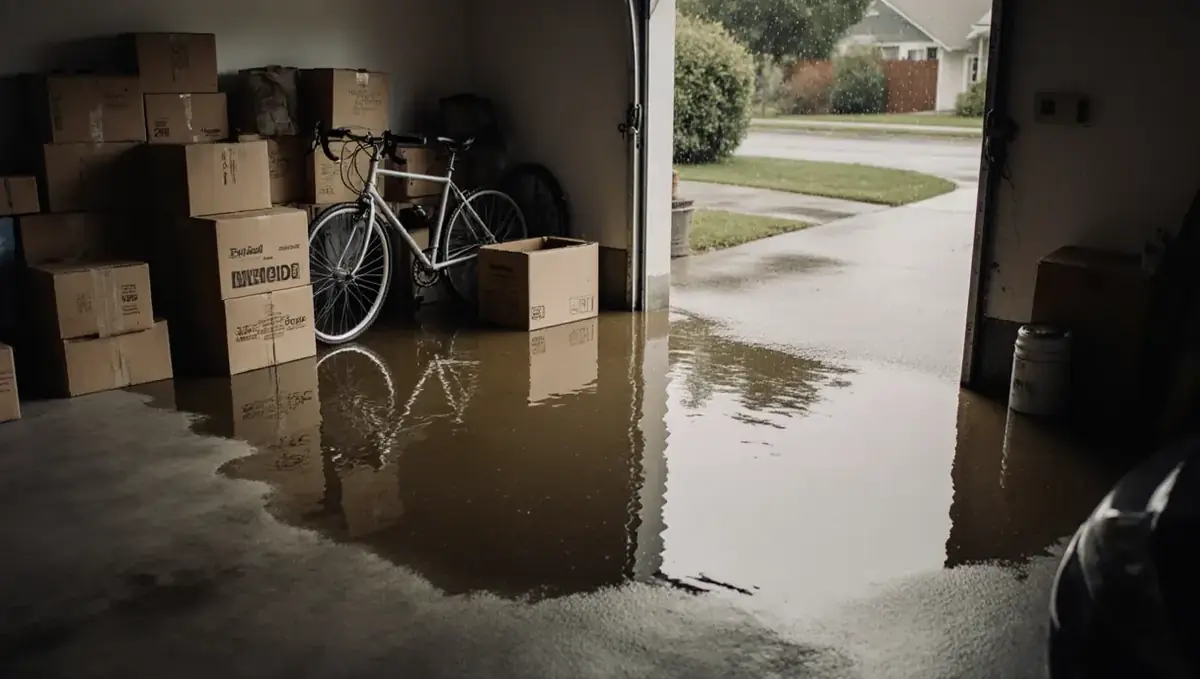
The Bogue Falaya, the Tchefuncte and Covington's Flood Picture
Covington, the parish seat of St. Tammany Parish, grew up at the fork of the Bogue Falaya and Tchefuncte rivers. At about 26 feet above sea level, it sits higher and farther from Lake Pontchartrain than Mandeville or Slidell, so its water problems tend to come from rivers and rain rather than lake surge.
The Bogue Falaya runs 28 miles south from Washington Parish, picks up the Abita River at Covington, and then joins the Tchefuncte about 10 miles above the lake. The city's flood information page names both rivers as its primary waterways and lists real-time gauges for each. It also points out that rapid runoff of surface water is a flood source, so a hard downpour can cause trouble even when the rivers stay in their banks.
One city statistic is worth remembering: about 25 percent of flooding happens outside areas formally designated as flood prone. Water damage in Covington is not limited to riverfront lots.
A Growing City With Old and New Homes
Covington's population jumped by nearly a third between 2010 and 2020, reaching about 11,600 residents. That growth added newer subdivisions to a city that already had a historic downtown and established neighborhoods like the West 30s, West 20s and Ozone.
Each kind of home brings its own weak spots. Older houses may have aging supply lines, original drain pipes and crawlspaces that hold humidity. Newer slab homes can hide a slow leak under flooring until the baseboards swell. Garages and ground-level rooms on low lots are often the first places runoff collects after a storm.
The city requires new buildings in the floodplain to raise the lowest floor at least one foot above Base Flood Elevation and to have an elevation certificate before occupancy. If you are renovating after a loss, check with the city before rebuilding, because work in a floodplain, even moving earth, needs a permit.
Steps to Take as Soon as You Find Water
- Stay safe. Avoid standing water near outlets and appliances, and do not drive across flooded roads or low bridges.
- Stop the source. Close the main water valve for a plumbing leak. For river or runoff water, wait until it stops rising.
- Turn off power to wet areas from a dry spot, if you can do it safely.
- Take photos and video. Record the high-water mark, damaged materials and belongings before anything is removed.
- Move valuables. Get documents, electronics and rugs to a dry room.
- Call for help. Dial (888) 817-5061 and we will connect you with a local company for emergency water removal and drying.
River and runoff water counts as Category 3 because it can carry sewage and chemicals. Clean water from a broken supply line is Category 1, at least at first.
What Local Restoration Companies Do On Site
Water damage restoration in Covington follows a sequence most homeowners can expect, with details tailored to each job.
Extraction
Standing water is removed with pumps and extraction units. Floodwater-soaked carpet and pad are typically discarded.
Moisture detection
Meters and thermal cameras locate water that wicked into walls, subfloors and cabinets so nothing is sealed up wet.
Drying
Dehumidifiers and air movers run until materials reach target readings, which are logged throughout. Details are on our structural drying page.
Repair
Once the structure is dry, damaged drywall, insulation, flooring and trim are replaced. See water damage repair for what to expect.
Hurricanes Reach Inland Too
Being upriver from the lake does not take Covington out of hurricane country. Katrina's western eyewall crossed St. Tammany Parish in 2005, and the parish recorded more than 48,000 damaged housing units. Ida's damage in 2021 also spread well inland across Southeast Louisiana.
Inland, the most common storm problems are roof damage, fallen trees and wind-driven rain, combined with heavy rainfall that pushes rivers and drainage to their limits. Storm damage cleanup in Covington often starts with tarping and debris removal before interior drying can begin. Read about storm damage cleanup and flood cleanup. The city recommends NOAA Weather Radio with a tone alert for flood watches and warnings, and the St. Tammany Parish emergency preparedness office posts parish updates.
Mold Concerns and Contractor Licensing in Louisiana
Wet building materials can start to grow mold in as little as 24 to 48 hours, according to EPA guidance. In a humid crawlspace or a closed-up garage, it can spread before anyone notices. Prompt drying, or removal of soaked drywall and insulation, is the best way to prevent it. If growth has already appeared, mold removal in Covington should be handled with containment to protect the rest of the home.
The Louisiana State Licensing Board for Contractors (LSLBC) requires a Mold Remediation license for remediation work above its dollar threshold, and applicants must complete board-approved training in mold remediation and basic mold assessment. Home improvement jobs above a set amount also need LSLBC registration. Confirm the current figures and look up any contractor on lslbc.gov. Our mold removal page has more.
Flood Insurance, CRS Discounts and Claims
Most standard homeowners policies do not cover flood. In high-risk zones such as A and AE, the chance of flooding is 1 percent per year, or about 26 percent over a 30-year mortgage, and flood insurance is required for federally backed loans. Renters can buy flood coverage for their belongings too. A new NFIP policy generally has a 30-day waiting period.
Covington takes part in FEMA's Community Rating System at Class 8, which gives NFIP policyholders a 10 percent premium discount. The city's flood information page explains zones, permits and elevation rules.
For any claim, keep photos, receipts and the restoration company's drying logs. When you are ready, call (888) 817-5061.
Downtown Businesses and Rental Properties
Shops and offices downtown, medical and professional buildings, and rental homes all need restoration that limits downtime and keeps clear records. A local provider can stage drying around business hours and give landlords documentation for tenants and insurers.
WaterQ is a free referral service, available 24/7, that connects you with an independent local restoration company. Before work starts, ask about licensing, insurance and training, such as IICRC certification. Nearby Mandeville and Hammond are covered the same way.
Covington Neighborhoods and Nearby Communities
Callers throughout Covington and western St. Tammany Parish can be connected with independent local restoration providers.
Neighborhoods
- Downtown Covington
- West 30s
- West 20s
- Ozone
- River Forest
- Covington Point
- Barkley Parc
Nearby communities
- Mandeville
- Abita Springs
- Madisonville
- Lacombe
- Slidell
- Folsom
- Hammond
- Ponchatoula
Covington Water Damage FAQ
Which rivers cause flooding in Covington?
The City of Covington identifies the Bogue Falaya and Tchefuncte rivers as its primary waterways, and both have real-time gauges. Rapid runoff from heavy rain is also listed as a flood source.
My Covington home is not in a mapped flood zone. Can it still flood?
Yes. The city notes that about 25 percent of flooding occurs outside areas formally designated as flood prone, so coverage is worth considering even outside high-risk zones.
Does Covington offer a flood insurance discount?
Covington participates in FEMA's Community Rating System at Class 8, effective May 1, 2020, which gives NFIP policyholders a 10 percent premium discount.
Do I need a permit to rebuild after water damage in a Covington floodplain?
The city states that no construction, including moving earth, is legal in a floodplain without a permit. New structures must have the lowest floor at least one foot above Base Flood Elevation. Check with the city before starting repairs.
Who does the restoration work when I call WaterQ?
An independent local restoration company. WaterQ is a free 24/7 referral service that connects you with that company, which handles inspection, drying and repairs.
Local emergency and flood resources
Official sources for alerts, flood maps and preparedness in and around Covington: