A City Shaped by the Lake and the Calcasieu
Lake Charles grew up on the shore of the lake that gives it its name, along the Calcasieu River and the ship channel that links the city to the Gulf. Nearly 3 of its roughly 48 square miles are water, including Prien Lake and Contraband, Henderson and English bayous, and the city sits at only about 15 feet above sea level.
That geography is a big part of the local economy and quality of life. It also means water can arrive from several directions: up the river from the Gulf during a hurricane, down from the sky in a stalled thunderstorm, or through a roof opened up by wind.
The city averages close to 60 inches of precipitation a year, with June the wettest month. Add humid air for much of the year, and wet materials inside a home or business are slow to dry without help.
Rita, Laura and Delta: What Each Storm Taught
Hurricane Rita, 2005
Rita came ashore at Johnson's Bayou near the Texas line. As surge pushed up the Calcasieu River, floodwater reached about 6 feet deep in downtown Lake Charles, and gusts hit 96 mph.
Hurricane Laura, August 2020
Laura made landfall at Cameron as a Category 4 storm with 150 mph winds. The National Weather Service office in Lake Charles measured a station-record gust of 133 mph, and the storm caused widespread damage in the city. The heavily damaged Capital One Tower downtown was later demolished.
Hurricane Delta, October 2020
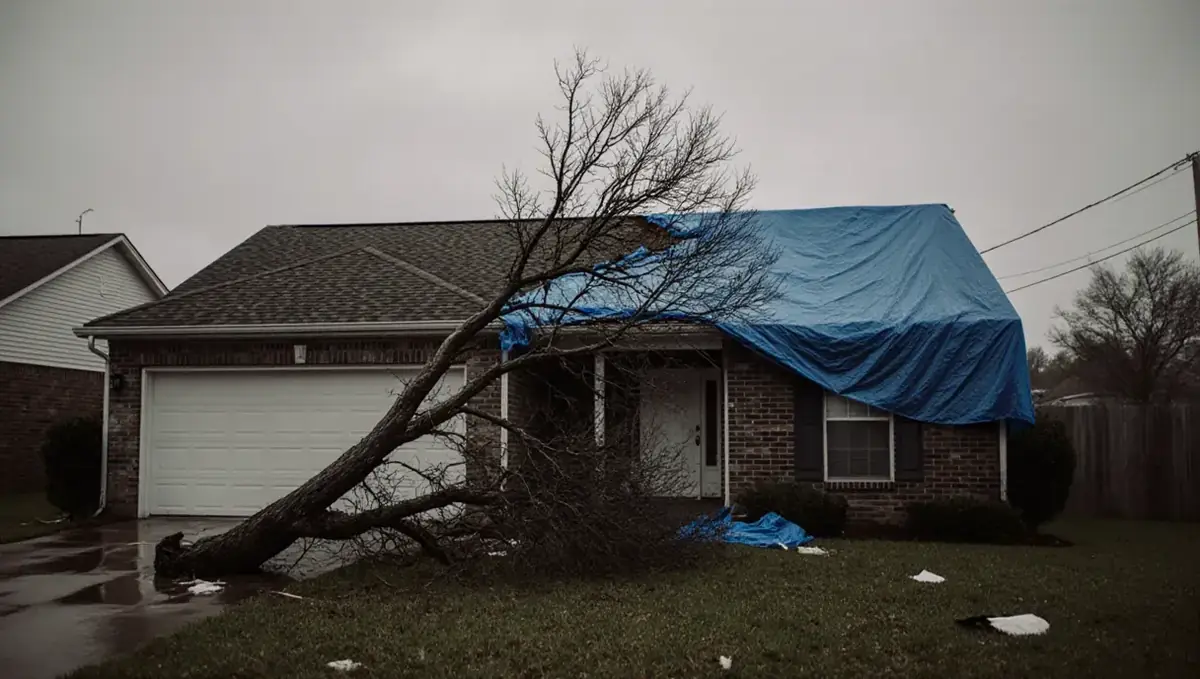
Just six weeks later, Delta made landfall near Creole. A 96 mph gust was recorded in Lake Charles, and up to 17.57 inches of rain fell in Calcasieu Parish. The NWS noted that Delta ripped temporary tarps off buildings still damaged from Laura, and that debris piles blown into clogged ditches made flooding worse. Some homes flooded in Moss Bluff.
The lesson is that a temporary fix is only temporary. After any storm, getting the structure dried and properly repaired quickly reduces the chance that the next system makes things worse.
Flash Floods Without a Hurricane
You do not need a named storm for water to enter a Lake Charles home. In October 2009, more than 2 inches of rain fell at the airport in about half an hour. The NWS reported widespread flooding around Sundale Drive, roughly 5 feet of water on Gauthier Road, a foot of water on Enterprise Boulevard and flooding in southeast Lake Charles, with water entering some homes.
The NWS also lists a May 17, 2021 flood affecting Lake Charles and Beaumont among its significant regional events. Intense rainfall over flat, low ground can overwhelm drainage quickly, and that is when flood cleanup becomes urgent.
Securing the Property and Protecting Your Claim
- Put safety first. Stay off damaged roofs and away from downed lines, standing water near electrical equipment and sagging ceilings.
- Stop new water. Shut the main valve for a plumbing break. For a roof opened by wind, a properly secured tarp is the first priority.
- Assume floodwater is contaminated. Water from the street, bayou or river is Category 3. Wear boots and gloves and keep children away.
- Document before anything is removed. Take photos and video of the roof, ceilings, waterlines and every damaged item.
- Keep every receipt. Tarping, emergency water extraction and supplies are often part of the claim, so save invoices.
- Call for help. Dial (888) 817-5061 and we will connect you with a local restoration company that can start water extraction and mitigation.
Tarping, Tear-Out and Drying in Southwest Louisiana
Storm jobs in Lake Charles often combine roof damage with interior water. A typical project with a local provider moves through several phases:
- Emergency protection. Tarping or boarding up openings so rain stops getting in. This is the starting point for most storm damage cleanup.
- Water removal. Extracting standing water and removing soaked carpet, pad and contents that cannot be saved.
- Tear-out. Wet ceiling drywall, insulation and lower wall sections are commonly removed so framing can dry.
- Drying and verification. Dehumidifiers and air movers run with daily moisture readings. See our structural drying page for how that works.
- Rebuild. Roofing, drywall, flooring and finishes, often with permits from the City of Lake Charles Permit Center.
For larger flood losses, flood damage restoration adds cleaning and sanitizing of everything floodwater touched. Before hiring, it is fair to ask a contractor about its licensing, insurance and training (IICRC certification, for example).
Wind, Flood and Who Pays
After a hurricane, wind and flood damage are usually handled by different policies. Standard homeowners insurance generally excludes flood, which is covered by an NFIP or private flood policy, and new NFIP policies usually carry a 30-day waiting period. Wind and wind-driven rain through a damaged roof fall under the homeowners or wind policy.
Because adjusters may need to separate the two, detailed photos, waterline measurements and moisture readings from the restoration company are especially valuable here. WaterQ cannot predict a claim outcome, but you can call (888) 817-5061 any time to start the mitigation work that protects your property.
For storm warnings and city notices, sign up through the city's Emergency and Other Alerts page.
Homes, Rentals and Commercial Buildings
The free line serves homeowners, landlords and businesses alike, from a house near Prien Lake to an office building downtown. Owners with property across the river in Sulphur can use the same number. Commercial clients can ask to be connected with a provider that handles large-loss drying and contents work.
Lake Charles Neighborhoods and Calcasieu Parish Communities
WaterQ connects callers in Lake Charles and across Calcasieu Parish with independent local restoration providers, any time of day.
Neighborhoods
- Downtown Lake Charles
- Charpentier Historic District
- Prien Lake area
- Southeast Lake Charles
- Sundale Drive area
Nearby communities
- Sulphur
- Westlake
- Moss Bluff
- Carlyss
- Iowa
- DeQuincy
- Vinton
- Starks
- Bell City
- Hayes
- Cameron
Lake Charles Water Damage FAQ
My roof was tarped after the last storm. Is that enough?
Only for a short time. During Hurricane Delta in 2020, the NWS noted that winds ripped off temporary tarps on buildings still damaged from Laura. Permanent roof repairs and full drying of the interior reduce the risk of more damage.
Does homeowners insurance cover hurricane flooding in Lake Charles?
Usually not the flooding part. Standard homeowners policies generally exclude flood, which is covered by NFIP or private flood insurance. Wind and wind-driven rain damage is typically handled under the homeowners or wind policy.
Can Lake Charles flood without a hurricane?
Yes. In October 2009, intense rain caused widespread flooding near Sundale Drive and in southeast Lake Charles, and the NWS also lists a significant May 2021 flood affecting Lake Charles and Beaumont.
How can I check a mold or repair contractor's license in Louisiana?
Use the Verify Licensure search on the LSLBC website, lslbc.gov. Mold remediation work valued at $7,500 or more requires a Mold Remediation license, and home improvement work at that level requires a registration.
Is WaterQ a local restoration company?
No. WaterQ is a free referral service, available 24/7, that connects you with an independent, local restoration company in the Lake Charles area. That company inspects the damage and does the work.
Local emergency and flood resources
Official sources for alerts, flood maps and preparedness in and around Lake Charles: