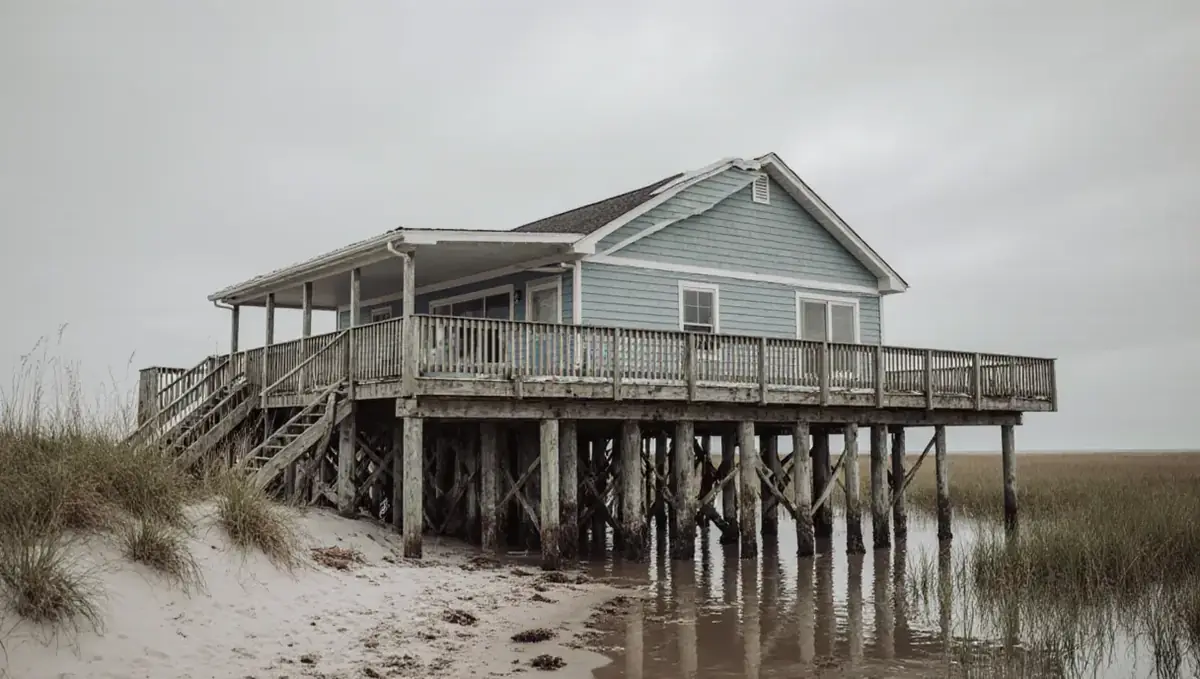
A Lakeside Town Behind a 5-Foot Seawall
Mandeville faces New Orleans from the north shore of Lake Pontchartrain, south of Interstate 12 and about 7 feet above sea level. The original town was laid out in 1834 west of Bayou Castine as a resort for New Orleanians, and the Lake Pontchartrain Causeway, opened in 1956, turned it into a commuter community.
The lakefront is the most exposed part of the city. A 5-foot seawall protects it, yet the blocks nearest the water have flooded repeatedly when storms push the lake inland. Farther from the shore, risks shift toward heavy rain, roof damage and the plumbing failures every home eventually faces.
That mix means flood cleanup in Mandeville can look very different from one street to the next. A lakefront cottage may need contaminated materials removed after surge, while a home near the interstate may only need a burst supply line dried out.
Katrina, Isaac and Ida Along the North Shore
Three hurricanes in less than twenty years left marks on the lakefront. Katrina flooded hundreds of buildings in Mandeville in 2005, and across St. Tammany Parish more than 48,000 housing units were damaged. Surge from Hurricane Isaac in 2012 and Hurricane Ida in 2021 caused more lakefront damage.
Each of those storms showed the same pattern: water pushed in from the lake and, once it receded, left behind wet walls, soaked insulation and silt. The hours after the water drops are when drying matters most.
Hurricane season runs June 1 through November 30. For forecasts and warnings, follow the NWS New Orleans/Baton Rouge office, and check the St. Tammany Parish emergency preparedness office for parish updates.
Before the Restoration Crew Arrives
- Wait until it is safe to go back in. After surge, check for structural damage, and keep away from water near outlets or appliances.
- Shut off water and power where you can. Close the main valve for a plumbing leak, and use the breaker panel only from a dry place.
- Document the damage. Photograph the high-water line, the outside of the house and every damaged item. Keep receipts for emergency costs like tarps.
- Treat lake water as unsafe. Surge water is Category 3 and can carry sewage and debris, so wear boots and gloves.
- Start drying fast. Phone (888) 817-5061 and a local provider can begin water extraction as soon as conditions allow.
Drying Out a Mandeville Home Step by Step
Water damage restoration in Mandeville usually follows a predictable path, though the local provider will adjust it to your building.
Assessment
The crew identifies the water source and category, then maps moisture with meters and thermal imaging so nothing wet is hidden behind cabinets or baseboards.
Water removal and tear-out
Pumps and extractors remove standing water. After surge, drywall is often cut above the wet line, and soaked carpet, pad and insulation are discarded.
Cleaning and controlled drying
Surfaces touched by floodwater are cleaned and treated. Dehumidifiers and air movers then run until wood and drywall reach normal readings. Learn more about structural drying.
Rebuild
Once everything tests dry, water damage repair restores drywall, floors, trim and cabinets. Our flood damage restoration page covers the full process.
Elevated Homes and Floodplain Rules
Mandeville has building-elevation and floodplain regulations that shape how lakefront properties are built and rebuilt. Elevated homes keep living space above many surge levels, but the area beneath them can still collect water, debris and humidity. After a storm, check the underside of the house, ductwork and any enclosed storage for wet materials.
Before buying, renovating or raising a home, look up its flood zone. The FEMA Flood Map Service Center offers an official lookup, and St. Tammany Parish links to LSU AgCenter flood maps for the parish on its website. For storm damage cleanup in Mandeville that involves roofs, siding or windows, see storm damage cleanup.
Mold Prevention and LSLBC Licensing
Under EPA guidance, mold can appear on damp materials within 24 to 48 hours, and north shore humidity rarely gives wet walls a break. Removing soaked drywall and insulation quickly and drying the framing is the most reliable prevention. If you already see or smell mold, mold cleanup in Mandeville should be done behind containment so spores do not travel through the house.
Louisiana's State Licensing Board for Contractors (LSLBC) requires a Mold Remediation license for remediation jobs above its dollar threshold, with board-approved training in mold remediation and basic mold assessment. Bigger home improvement jobs need LSLBC registration as well. Confirm current requirements and verify any company on lslbc.gov. Read about mold removal for more.
Insurance Basics for Lakefront and Inland Owners
- Flood needs its own policy. Homeowners insurance generally excludes flood. NFIP and private flood policies fill the gap, and NFIP coverage usually starts after a 30-day waiting period.
- Separate wind from water. Hurricanes often cause both roof leaks and surge. Photos that show where water entered help each insurer review its part.
- Keep records. Save receipts, the restoration company's moisture readings and notes from each adjuster call.
WaterQ cannot tell you how a claim will be decided, but organized documentation makes the process smoother. Call (888) 817-5061 when you are ready to get drying started.
Restaurants, Offices and Rentals in Mandeville
Lakefront restaurants, small offices along the Causeway corridor and rental homes all need restoration plans that limit downtime. Business owners may need drying staged around operating hours, and landlords need clear records for tenants and insurers.
WaterQ is a free referral service, not a contractor. The line is available 24/7, and we connect you with a trusted, local restoration company that handles the work. Ask about licensing, insurance and training, for example IICRC certification, before you hire. Nearby Covington and Slidell are served the same way.
Mandeville Areas and Nearby North Shore Towns
Callers throughout Mandeville and neighboring St. Tammany communities can be connected with independent local restoration providers.
Neighborhoods
- Old Mandeville
- Lakefront blocks along the seawall
- Bayou Castine area
- Causeway Boulevard corridor
- Fontainebleau State Park area
Nearby communities
Mandeville Water Damage FAQ
Does the Mandeville seawall stop lake flooding?
It helps, but it does not eliminate the risk. The lakefront is protected by a 5-foot seawall, yet the blocks nearest the lake have flooded repeatedly during storm surges, including in Katrina, Isaac and Ida.
What should I check under an elevated home after a storm?
Look for standing water, wet insulation, damaged ductwork and soaked items in enclosed storage below the house. Trapped moisture there can lead to rot and mold if it is not dried or removed.
Where can I look up a Mandeville property's flood zone?
Use the FEMA Flood Map Service Center for the official flood map. St. Tammany Parish also links to LSU AgCenter flood maps for the parish on its website.
Do mold remediation companies need a license in Louisiana?
For larger jobs, yes. The Louisiana State Licensing Board for Contractors requires a Mold Remediation license above its dollar threshold, plus board-approved training. Confirm current rules and verify the company on lslbc.gov.
Will WaterQ send someone to my house?
WaterQ does not do the work itself. It is a free 24/7 referral line that connects you with an independent local restoration company, which handles the inspection and repairs.
Local emergency and flood resources
Official sources for alerts, flood maps and preparedness in and around Mandeville: