A Growing Suburb on the Manchac Line
Prairieville is the largest community in Ascension Parish, and it is still growing. The 2020 census counted 33,197 residents, up more than 23 percent from 2010, as families moved south from Baton Rouge for schools and a quieter pace. It is unincorporated, so Ascension Parish government handles permits, drainage and emergency management.
The community sits about 23 feet above sea level and covers roughly 22 square miles between Baton Rouge and Gonzales. On its northern side runs Bayou Manchac, an 18-mile waterway that once connected the Mississippi River to the Amite River. Levee building cut it off from the Mississippi, and today it serves mostly for drainage, carrying water east toward the Amite.
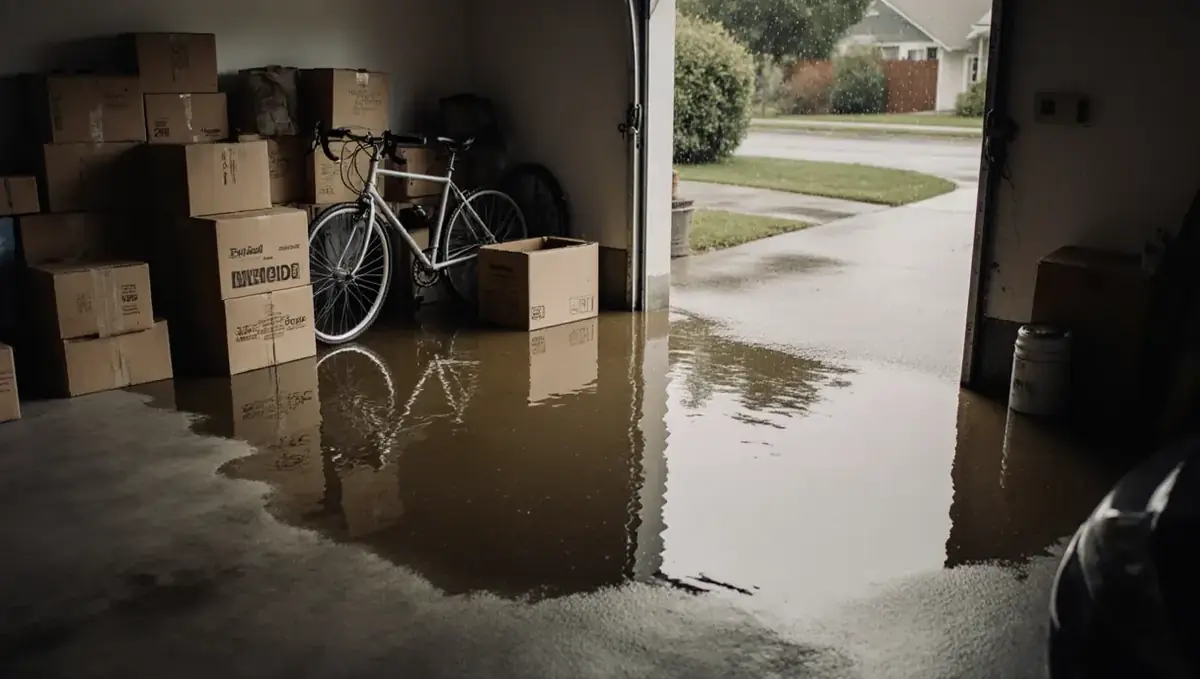
That drainage path matters. When heavy rain falls across the Capital Region, the Amite rises, and the bayous and ditches feeding it have nowhere to empty. Water then backs up into low yards, streets and garages.
What 2016 Showed Ascension Homeowners
In August 2016, rainfall topped 20 inches in multiple parishes, and the Amite and Comite rivers reached record crests. Around one-third of all homes in Ascension Parish flooded, roughly 15,000 homes and businesses. Statewide, the U.S. Geological Survey estimated about $10 billion in damage.
Because Prairieville has grown so quickly, many current residents moved in after that flood and may not know how fast water can rise here. A few practical takeaways:
- Look up your address on the FEMA Flood Map Service Center, but remember that 2016 flooding reached areas outside mapped high-risk zones.
- Keep valuables, documents and electronics off garage and ground-level floors.
- Know the route out before roads like Highway 73 or Airline Highway take on water.
When rising water does get in, flood damage restoration in Prairieville means treating everything it touched as contaminated and drying the structure thoroughly before rebuilding.
Trees, Wind and Roof Leaks in Hurricane Season
Prairieville is far enough inland to avoid storm surge, but not far enough to escape hurricane winds. Hurricane Gustav caused considerable damage here in 2008, and during Hurricane Ida in 2021 a man in Prairieville was killed when a tree fell on his home. Mature trees near houses are one of the biggest storm risks in this part of the parish.
A limb through the roof lets rain soak the attic, insulation and ceilings, and a long power outage leaves no air conditioning to pull moisture out. Storm damage cleanup typically begins with tree removal and tarping, then moves to cutting out wet ceiling drywall and insulation.
Sign up for parish notifications through Ascension Parish alerts before the season peaks.
A Prairieville Homeowner's Short List
- Watch the wiring. Keep out of standing water near outlets, cords and appliances. In a flooded garage, be especially careful around freezers and water heaters.
- Close the valve. For a pipe or appliance leak, shut the main water valve, often near the meter at the street or in the garage.
- Separate clean from dirty. Supply-line water is Category 1. Water from outside, ditches or the bayou is Category 3 and needs gloves, boots and professional cleaning.
- Take pictures first. Photograph each room and every damaged item, and save receipts for anything you buy to protect the house.
- Call for extraction. Reach (888) 817-5061, and we will connect you with a local restoration company for emergency water removal.
Slab Floors, Drywall and Getting a House Dry
Water damage restoration in Prairieville often involves newer suburban homes, where water spreads quickly across finished floors and wicks up drywall. The process generally runs like this:
Extraction and inspection
Standing water is removed, and moisture meters and thermal cameras show how far it moved under laminate, tile and baseboards.
Removal of damaged materials
After floodwater, crews usually cut drywall above the water line and remove insulation, carpet and pad. After a clean leak, more can often be dried in place.
Drying to a verified standard
Dehumidifiers and air movers run until readings show the structure is dry. Read about structural drying.
Repairs and permits
Rebuilding is the final step of water damage repair. Larger projects may need an Ascension Parish building permit.
Mold Prevention and Licensed Remediation
Per EPA guidance, mold can begin growing on wet building materials within 24 to 48 hours. In south Louisiana humidity, closed-up houses and garages after a storm give it ideal conditions, so drying and removing soaked materials quickly is the key.
For mold removal in Prairieville on a larger job, check credentials before work begins. The Louisiana State Licensing Board for Contractors requires a Mold Remediation license for remediation work valued at $7,500 or more, and applicants must complete 24 hours of board-approved training. The board can revise its thresholds, so confirm current requirements and verify a company by name at lslbc.gov.
Our mold removal page covers containment and cleanup in more detail.
Coverage, Contractors and Small Businesses
- Flood needs its own policy. Homeowners policies generally exclude flood. NFIP and private policies cover it, and NFIP policies typically take 30 days to become effective.
- Wind is different. A tree through the roof and the rain that followed are usually handled under homeowners or wind coverage, not flood.
- Check registrations. In Louisiana, home improvement work of $7,500 or more requires an LSLBC Home Improvement Registration, and residential construction over $50,000 requires a residential license.
- Keep a clean file. Photos, moisture readings, invoices and drying reports help an adjuster understand the loss.
Shops, offices and restaurants along the Highway 73 and Airline Highway corridors can call (888) 817-5061 as well. WaterQ is a free referral service; the local provider you are connected with handles the assessment and work, and no one can predict an insurer's decision in advance.
Prairieville Areas and Nearby Ascension Communities
Our free referral line connects callers in Prairieville and nearby Ascension, Iberville and East Baton Rouge communities with independent local restoration providers.
Neighborhoods
- Highway 73 (Jefferson Highway) corridor
- Airline Highway (US 61) corridor
- Bayou Manchac area
Nearby communities
- Gonzales
- St. Gabriel
- Dutchtown
- Galvez
- St. Amant
- Geismar
- Baton Rouge
- Denham Springs
Prairieville Water Damage FAQ
Who handles permits and drainage in Prairieville?
Prairieville is unincorporated, so Ascension Parish government does. Building permits go through the parish permitting office, and drainage falls under Parish Public Works.
I moved to Prairieville after 2016. How bad was that flood here?
Around one-third of all homes in Ascension Parish flooded in August 2016, about 15,000 homes and businesses, after rainfall topped 20 inches in multiple parishes and the Amite River set a record crest.
What is Bayou Manchac's role in local flooding?
Bayou Manchac runs along Prairieville's northern side and now serves mainly for drainage, carrying water east to the Amite River. When the Amite is high, local drainage can back up.
Do I need a licensed company for mold remediation in Prairieville?
For remediation work valued at $7,500 or more, Louisiana's LSLBC requires a Mold Remediation license. Look the company up on lslbc.gov before signing.
Does WaterQ perform the work at my Prairieville home?
No. WaterQ is a free referral service available 24/7. We connect you with an independent, local restoration company, which inspects and completes the work.
Local emergency and flood resources
Official sources for alerts, flood maps and preparedness in and around Prairieville: