Life on the Crest of Shades Mountain
Vestavia Hills is built along the crest of Shades Mountain, roughly 7 miles south of downtown Birmingham, at about 705 feet above sea level. It is a ridge-top city, and that changes how water behaves around houses. Rain does not sit on the hilltops for long; it races downhill across driveways, yards and streets toward the valleys on either side.
For homeowners, that usually means the most serious water problems show up at the low side of the lot: a basement wall that weeps after storms, a garage that takes on water, or a retaining wall that holds back soaked soil. Down toward Cahaba Heights, the Cahaba River and the Little Cahaba River meet, and properties near those waterways have their own flood considerations.
- Downslope homes can receive runoff from the properties above them.
- Lower levels and basements are where water tends to collect and where damage goes unnoticed longest.
- Gutters and downspouts that discharge next to the foundation are a frequent, fixable cause.
Three Distinct Parts of the City
Vestavia Hills grew in stages, and each part has its own character. Residential development began in 1946 when Charles Byrd planned a subdivision, and the city incorporated in 1950. It then expanded through rapid growth and annexation to more than 39,000 residents by 2020.
Original Vestavia
The older core along the mountain includes homes from the postwar decades onward. In any house that has been standing for many years, it is worth knowing the age of water heaters, supply lines and shutoff valves, since those parts wear out and fail without warning.
Liberty Park
Newer construction does not rule out water damage. Failed washing machine hoses, ice maker lines and upstairs bathroom leaks can travel through ceilings and walls before anyone notices.
Cahaba Heights
Annexed in 2002, Cahaba Heights sits near the confluence of the Cahaba and Little Cahaba rivers. Owners here should check flood maps and think about flood insurance, even if their lot has stayed dry so far.
Immediate Steps That Limit the Damage
- Close the valve. Turn off the fixture shutoff or the main water valve. If water is coming through a ceiling, place containers and keep everyone out from under it.
- Stay clear of electricity. Do not step into water that may be in contact with outlets, extension cords or appliances.
- Separate clean water from dirty water. A broken supply line is usually clean water. Runoff that came in through a door or a sewer backup is contaminated, so keep contact to a minimum.
- Take pictures. Record the source, the wet areas and damaged belongings before cleanup begins.
- Lift and remove. Pull area rugs, books and electronics out of wet rooms.
- Call for help. Reach (888) 817-5061 any hour and we connect you with a local provider for emergency water extraction.
Finding Water You Cannot See
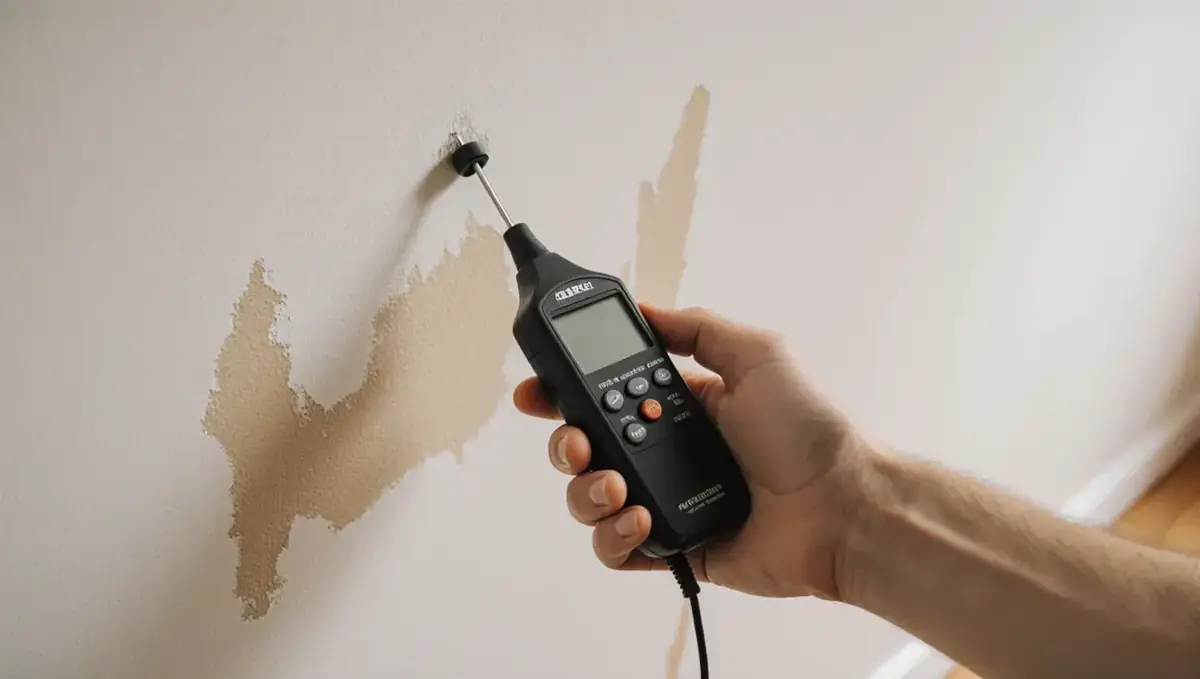
The biggest risk after a leak is the moisture that is still there after the floor looks dry. Water wicks up drywall, soaks under baseboards and spreads beneath hardwood and vinyl plank. That is why a moisture meter is one of the first tools a restoration crew brings in.
A typical job for water damage restoration in Vestavia Hills follows this path:
- Inspection and moisture mapping with meters and thermal imaging to mark wet zones on every affected wall and floor.
- Extraction of standing water from carpet, pad and hard surfaces.
- Selective removal of materials that cannot be dried in place, such as soaked insulation or swollen particleboard.
- Drying with air movers and dehumidifiers, checked daily until readings reach target levels. See structural drying.
- Rebuild, which our water damage repair page describes in more detail.
For residential repair or remodeling over $10,000, Alabama requires a contractor licensed by the Home Builders Licensure Board. Its online search lets you confirm a license before work begins.
When Severe Weather Opens the Roof
Central Alabama gets frequent severe thunderstorms, and the state averages about 43 tornadoes a year. On a ridge, wind can catch roof edges and send branches onto houses. Rain that follows through a damaged roof often causes more harm than the wind did.
After a storm, photograph the damage from a safe spot, have the roof tarped and then deal with the interior. Storm damage cleanup in Vestavia Hills typically involves removing wet attic insulation, cutting out sagging ceiling drywall and drying the framing. In Alabama, residential roofers need a Home Builders Licensure Board license for jobs over $2,500.
A FORTIFIED roof can help keep wind-driven rain out. The Strengthen Alabama Homes program offers grants toward that upgrade for eligible homeowners; terms change, so check the current details.
Mold Cleanup and How to Vet a Remediator
According to EPA guidance, mold can begin growing on damp materials in as little as 24 to 48 hours. Basements on the downhill side of a house, closets against exterior walls and attic spaces after a roof leak are the usual suspects.
There is no Alabama state license specifically for mold remediation, based on an industry roundup of state requirements, and we found no official state agency that licenses mold assessors or remediators. So when you look for mold removal or mold cleanup in Vestavia Hills, ask the company about its training (IICRC certification is one example), proof of insurance, its containment and air filtration plan, and if it provides written moisture readings and a clearance report. More on our mold removal page.
Coverage Questions for Vestavia Hills Owners
- Sudden versus gradual. Homeowners insurance often covers a sudden pipe break but may not cover a slow leak or long-term seepage. Read the water damage section of your policy.
- Flood needs its own policy. Standard homeowners coverage generally excludes flood; NFIP and private flood policies fill that gap, and NFIP coverage usually starts after a 30-day wait.
- Check your zone. Look up your address on the FEMA Flood Map Service Center, especially near the Cahaba.
- Keep records. Photos, moisture logs, drying reports and receipts all support a claim.
Offices, churches and shops along the city's commercial corridors can use the same line. Call (888) 817-5061 to be connected with local restoration companies equipped for commercial work. WaterQ cannot promise any claim outcome.
Areas of Vestavia Hills and Nearby Cities
Our free referral line connects callers throughout Vestavia Hills, on both the Jefferson and Shelby County sides, with independent local restoration companies.
Neighborhoods
- Vestavia (original city area)
- Liberty Park
- Cahaba Heights
Nearby communities
- Birmingham
- Hoover
- Homewood
- Mountain Brook
- Irondale
- Pelham
- Helena
- Trussville
Vestavia Hills Water Damage FAQ
Why does my Vestavia Hills basement get wet when it storms?
Vestavia Hills sits on the crest of Shades Mountain, so rain runs downhill quickly and can collect against the low side of a house. Extending downspouts, regrading soil away from the foundation and keeping drains clear often help.
Is Cahaba Heights at risk of flooding?
Cahaba Heights lies near where the Little Cahaba River joins the Cahaba River. Risk depends on the exact property, so check your address on the FEMA Flood Map Service Center and talk to your agent about flood insurance.
Do I need a licensed contractor for water damage repairs in Alabama?
For residential work over $10,000, Alabama requires a Home Builders Licensure Board license, and residential roofing over $2,500 also requires one. You can verify licenses with the board's online search.
Does Alabama license mold removal companies?
An industry roundup of state requirements reports that Alabama has no state license specifically for mold remediation. Ask any company for its training, insurance and written clearance documentation.
How does WaterQ work?
WaterQ is a free referral service available 24/7. When you call, we connect you with an independent, local restoration company, which then inspects the damage and handles the work.
Local emergency and flood resources
Official sources for alerts, flood maps and preparedness in and around Vestavia Hills: