A Valley City Between Ridges: How Water Moves Through Birmingham
Birmingham fills Jones Valley, a long trough that runs northeast to southwest between parallel mountain ridges. Red Mountain rises just south of downtown, with Shades Valley and Shades Mountain beyond it. Rain that falls on those slopes heads downhill fast, and the valley floor is drained by small streams such as Village Creek and Valley Creek, which carry water west toward the Black Warrior River.
That layout shapes the kind of water damage Birmingham sees. Homes on ridge slopes in places like Redmont Park or Glen Iris can take runoff against foundations and lower-level walls, while properties near the creeks in the valley face rising water during intense thunderstorms. The city averages about 56.6 inches of precipitation a year, and it arrives in every season rather than in one short wet spell.
- Hillside runoff that pushes water under doors and into finished basements.
- Creek flooding when downpours overwhelm Village Creek, Valley Creek and their tributaries.
- Storm-opened roofs that let rain pour in for hours after the wind passes.
- Everyday plumbing failures from water heaters, supply lines and appliance hoses.
Tornado Alley Weather and Roofs That Let the Rain In
Birmingham sits in the region often called Dixie Alley, and it has been struck by violent tornadoes more than once. In April 1998 an F5 tornado carved a path roughly three-quarters of a mile wide across western Jefferson County, damaging communities including Pratt City, Concord and Pleasant Grove. On April 27, 2011, the National Weather Service rated the Tuscaloosa-Birmingham tornado EF4, with estimated winds of 190 mph along an 80-mile track.
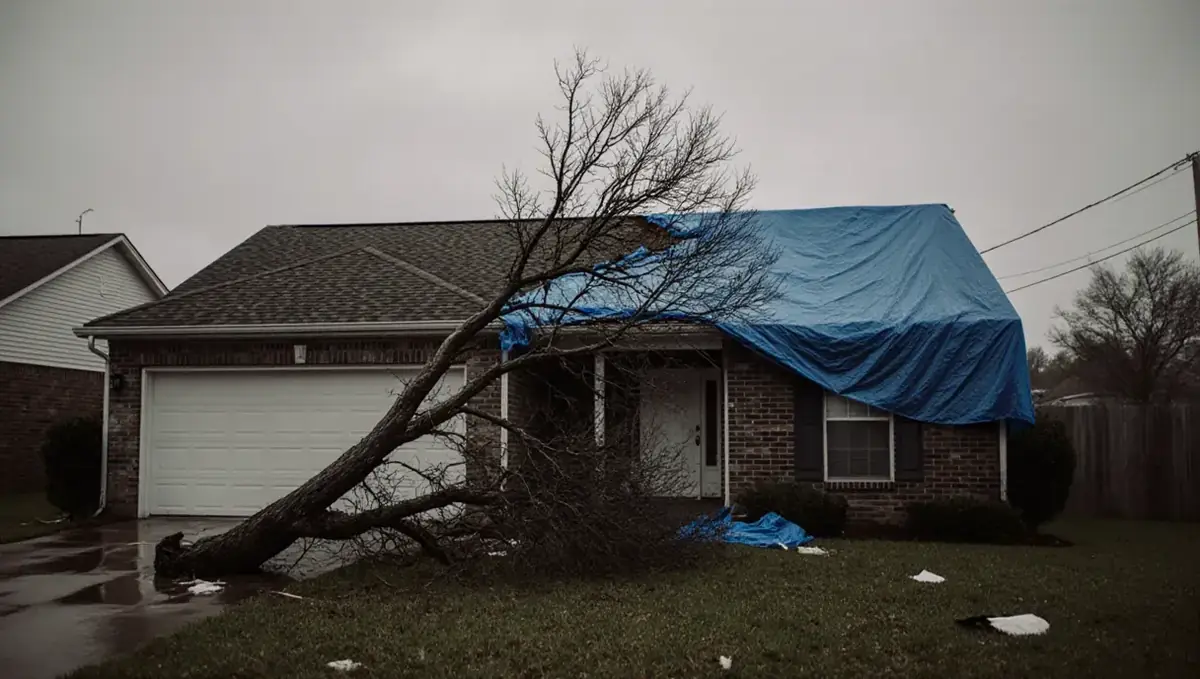
Most storms are far less extreme, yet even a strong line of thunderstorms can lift shingles, drop limbs through a roof or break windows. Once the envelope is open, rain does the lasting damage: soaked attic insulation, sagging ceilings and wet wall cavities.
For storm damage cleanup in Birmingham, the order of operations matters. Make sure everyone is safe and stay clear of downed lines. Photograph the damage, then get openings tarped or boarded so the next round of rain stays out. After that, a restoration crew can remove wet materials and start drying. A call to (888) 817-5061 puts you in touch with a nearby provider who handles this kind of work.
Hard Freezes and Burst Pipes on a Southern Plumbing System
Birmingham winters are usually mild, with January averaging in the mid-40s. Hard cold does arrive now and then, though. The March 1993 Storm of the Century dropped about 13 inches of snow on the city, brought hurricane-force gusts and was followed by record cold. Homes built for a warm climate often have pipes in exterior walls, crawlspaces or attics that are not well protected.
A frozen pipe often does not leak until it thaws, so the water damage may show up a day after the cold snap. When temperatures are forecast to drop sharply:
- Let faucets on outside walls drip and open sink cabinet doors so warm air reaches the pipes.
- Disconnect garden hoses and cover outdoor spigots.
- Know where your main shutoff is before you need it.
If a line does split, shut off the water and call for emergency water removal before water spreads under flooring and into neighboring rooms.
What to Do Before the Restoration Company Arrives
- Stop the source. Close the main valve or the fixture shutoff. For roof leaks, catch dripping water and keep people out from under bulging ceilings.
- Put safety first. Stay out of standing water near outlets, appliances or a breaker panel. Turn power off only if you can reach the panel without stepping in water.
- Identify the water. A clean supply line leak is Category 1. Creek water or a sewer backup is Category 3 and can carry bacteria and debris, so avoid contact and keep children and pets away.
- Record it. Take photos and video of the water level, the source and damaged belongings before you move anything.
- Protect contents. Move rugs, electronics and paperwork to a dry area, and set furniture legs on foil or blocks.
- Reach out. Our 24/7 referral line, (888) 817-5061, connects you with a local restoration professional.
Extraction, Drying and Rebuilding a Birmingham Property
The local pros you are connected with will tailor the plan to your building, but water damage restoration in Birmingham usually moves through these stages.
Removing the water
Pumps and extraction wands pull standing water from floors, carpet and basements. Creek or sewage water also calls for removing porous materials it touched and sanitizing what remains.
Finding hidden moisture
Moisture meters and thermal cameras trace how far water wicked into drywall, subfloors and framing. The crew uses those numbers to decide when drying is finished, and they double as evidence for your adjuster.
Drying the structure
Air movers and dehumidifiers run for several days while readings are rechecked. Our structural drying page explains what that equipment does.
Repairs
After the meters confirm the framing and subfloor are back to normal, water damage repair can put back drywall, flooring, trim and cabinets. In Alabama, the Home Builders Licensure Board licenses residential builders and remodelers on jobs costing more than $10,000, so confirm a current license with its online search before you sign a large repair contract.
Mold After Water Damage: Alabama's Rules and Smart Questions
EPA guidance notes that mold can begin growing on damp materials within 24 to 48 hours, and Birmingham's long humid summers give it a head start. Hidden moisture behind a basement wall or under a storm-soaked attic floor is a common place for growth to begin.
An industry roundup of state requirements reports that Alabama has no state license specifically for mold remediation, and we could not find any official Alabama agency that licenses mold assessors or remediators. That puts more of the vetting on you. Ask any company that offers mold removal or mold cleanup in Birmingham about its training (for example IICRC certification), its insurance, how it sets up containment and whether it provides written moisture readings and clearance documentation when the job is done.
Read more about mold removal and why containment keeps spores from drifting into clean rooms.
Claims, Flood Coverage and Commercial Properties
A standard homeowners policy generally covers sudden water damage such as a burst pipe, but it usually excludes flood. Water that rises out of a creek or flows across the ground typically needs an NFIP or private flood policy, and a new NFIP policy generally has a 30-day waiting period. Check your address on the FEMA Flood Map Service Center to see how your property is mapped.
- Report the loss to your insurer promptly and keep your claim number handy.
- Save photos, receipts, moisture logs and the drying report from the restoration company.
- Keep a few samples of removed flooring or drywall if your adjuster has not seen them yet.
Offices, shops, churches and multifamily buildings across Southside, downtown and the suburbs face the same risks on a larger scale. Property managers can call (888) 817-5061 to reach providers equipped for commercial flood cleanup in Birmingham. WaterQ cannot promise how an insurer will respond, but a complete, well-documented file helps.
Birmingham Neighborhoods and Surrounding Communities
Our free referral line connects callers throughout Birmingham and nearby Jefferson and Shelby County communities with independent local restoration companies.
Neighborhoods
- Southside
- Five Points South
- Highland Park
- Avondale
- Crestwood
- Ensley
- East Lake
- Woodlawn
- Forest Park
- Redmont Park
- Roebuck
- Norwood
- Glen Iris
- West End
- Druid Hills
- Fairview
- Inglenook
- Titusville
- Pratt City
Nearby communities
- Mountain Brook
- Homewood
- Hoover
- Vestavia Hills
- Bessemer
- Fairfield
- Irondale
- Trussville
- Leeds
- Center Point
Birmingham Water Damage FAQ
Why does water get into Birmingham basements during heavy rain?
Much of Birmingham is built on slopes of Red Mountain and other ridges around Jones Valley. Rain runs downhill quickly and can collect against foundations and lower-level walls. Gutters, grading and drains that carry water away from the house help reduce the risk.
My roof was damaged in a storm. What should I do first?
Make sure everyone is safe and stay away from downed power lines. Photograph the damage, then have the roof tarped or boarded to stop more rain from getting in. After that, wet insulation, drywall and flooring can be removed and dried.
Is mold remediation licensed in Alabama?
According to an industry roundup of state requirements, Alabama does not have a state license specifically for mold remediation, and we found no official agency that licenses mold assessors or remediators. Ask companies about their training, insurance and written clearance documentation.
Does homeowners insurance pay for creek flooding in Birmingham?
Usually not. Standard homeowners policies generally exclude flood, which is covered by NFIP or private flood policies. NFIP policies typically have a 30-day waiting period before coverage begins.
Who actually does the work when I call WaterQ?
WaterQ is a free referral service. We connect you with an independent, local restoration company, and that company handles the inspection, water removal, drying and repairs. The line is available 24/7.
Local emergency and flood resources
Official sources for alerts, flood maps and preparedness in and around Birmingham: