Flat Wiregrass Ground and August Downpours
Dothan sits in Alabama's Wiregrass region, about 16 miles north of the Florida line and 20 miles west of Georgia. The land is mostly flat and forested at roughly 331 feet, easing down toward the Chattahoochee River to the east and the Gulf coastal plain to the south. Smaller streams such as the Little Choctawhatchee River carry runoff from Houston and neighboring counties toward the Choctawhatchee.
Rain is the steady background risk. Dothan averages close to 54 inches a year spread over about 119 wet days, and August is the wettest month at a little over 6 inches. On level ground, heavy rain does not always run off quickly, so water can collect against slab foundations, back up at garage doors and find its way under exterior walls.
Add frequent thunderstorms, an above-average tornado rate compared with the nation and the occasional hurricane moving inland, and water damage in Dothan is often a roof problem as much as a flooding problem.
Hurricane Winds Reach the Wiregrass Too
Dothan is a long way from the beach, but Gulf hurricanes do not always weaken quickly. When Hurricane Michael tore inland in October 2018, the National Weather Service in Tallahassee issued Extreme Wind Warnings for areas that included Houston County. Across southwest Georgia and southeast Alabama, nearly 50,000 structures were affected and more than 3,000 were destroyed.
Wind-driven rain enters through lifted shingles, broken windows and holes left by fallen limbs. Inland tropical systems can also bring flooding rain, as Tropical Storm Alberto did in July 1994 when it caused major flooding across parts of Alabama, Georgia and Florida, including the Choctawhatchee River basin.
After a storm, storm damage cleanup in Dothan generally starts with tarping or boarding openings, then removing wet ceiling materials and insulation before drying begins. If water rose into the house from outside, flood cleanup also means disinfecting everything it touched.
A Short Checklist Before Help Arrives
Take a breath. The goal in the first hour is to stay safe and stop the problem from growing.
- Find the source. Close the valve under the sink or toilet, or shut off the main where the line enters the house.
- Watch the wiring. Keep away from standing water near outlets and appliances, and do not touch the breaker panel if the floor around it is wet.
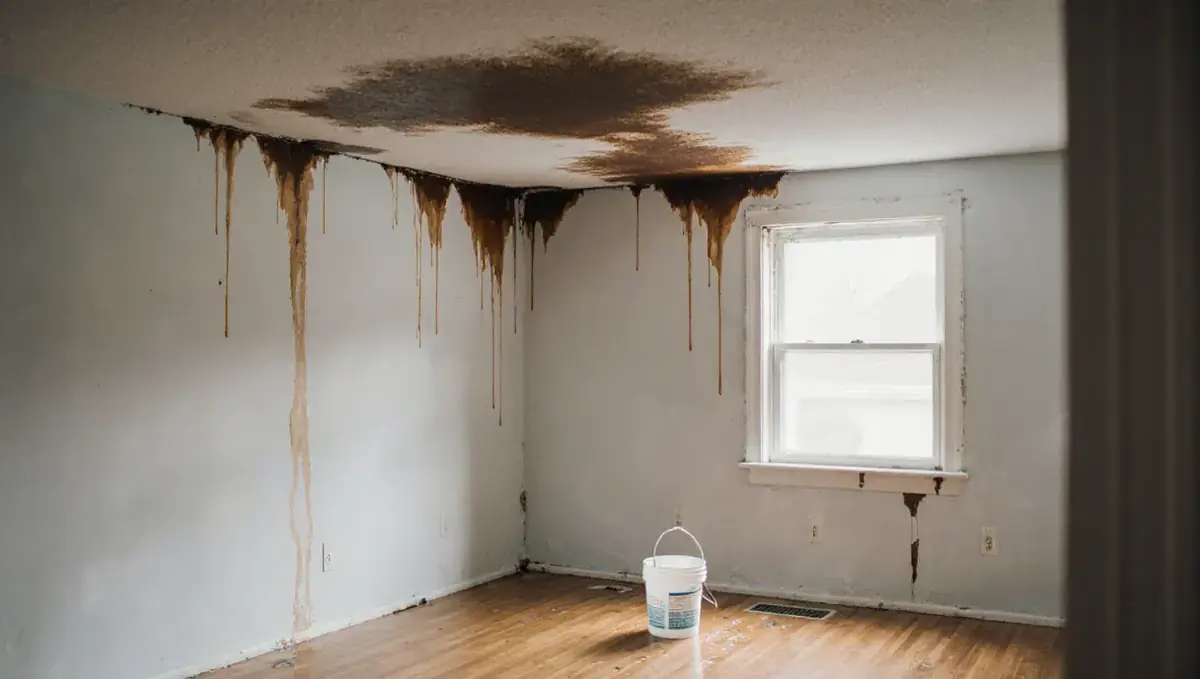
- Check the ceiling. A stained, sagging spot means water is pooling above. Move furniture away and place a bucket below it.
- Sort clean from dirty water. A supply-line leak is usually Category 1. Storm runoff or a sewer backup is Category 3 and should be handled with protective gear.
- Get photos first. Capture each room and damaged item before you start hauling things to the curb.
Then call (888) 817-5061 and we will connect you with a Dothan-area company for water extraction and drying.
How a Soaked Dothan House Gets Back to Normal
Water damage restoration in Dothan usually moves through four stages, and knowing them makes it easier to follow along.
- Assessment. Moisture meters and infrared cameras show where water has spread, including under vinyl plank, tile and cabinets.
- Water removal. Extractors remove standing water, and soaked carpet pad, baseboards and lower drywall are often cut out.
- Drying and dehumidifying. Air movers and dehumidifiers run until readings show framing and subfloors are back to normal. In a humid Wiregrass summer, dehumidifiers carry most of the load.
- Repair. With everything dry, the rebuild begins: drywall, paint, flooring and trim. Read more about water damage repair.
It is reasonable to ask any provider about its licensing, insurance and training (IICRC certification is one common example) before work starts. In Alabama, residential repair or remodeling work over $10,000 requires a Home Builders Licensure Board license, which you can look up online.
Rare Freezes and Pipes That Aren't Ready
Snow is extremely rare in Dothan, averaging only a fraction of an inch a year, yet the city has seen notable winter storms, most recently on January 21, 2025. Homes built for heat often have supply lines in exterior walls, attics or unheated garages, and those pipes can split when temperatures drop hard.
When a cold snap is forecast, let faucets drip, open sink cabinets on outside walls and disconnect garden hoses. If a pipe bursts, shut off the main right away; a split line can release a lot of water before anyone notices, especially in a vacant rental or a closed business over a weekend.
Mold After a Wiregrass Leak
The EPA notes that mold may start on materials left wet for 24 to 48 hours. A slow roof leak above a ceiling or a wet wall behind a washing machine can grow mold long before anyone sees it, which is why drying speed matters so much here.
An industry roundup of state rules reports that Alabama has no state license specifically for mold remediation, and we could not find any official Alabama agency licensing mold assessors or remediators. So for mold removal in Dothan, ask about the company's training (such as IICRC certification), how it sets up containment, and whether it will provide written moisture and clearance documentation.
Learn how professional mold removal works, from containment to HEPA cleanup and final drying.
Dothan Homeowners, Landlords and Businesses: Insurance Basics
Dothan has more than 33,000 housing units, along with a busy downtown and commercial corridors. The paperwork looks similar for each:
- Flood is its own policy. Standard homeowners and commercial property policies generally exclude flood. NFIP and private flood policies fill that gap, and a new NFIP policy typically has a 30-day waiting period.
- Wind and roof damage. Rain that enters through a storm-damaged roof is often handled differently from rising water. Ask your agent how your policy treats each.
- Document as you go. Keep photos, receipts for tarps or emergency repairs, and the drying logs from the restoration company.
- Look ahead. Alabama's Strengthen Alabama Homes program offers grants to help eligible homeowners upgrade to a FORTIFIED roof. Check its current terms.
Property managers and business owners on Main Street or anywhere in town can call (888) 817-5061 to reach a local provider day or night.
Dothan and the Surrounding Wiregrass
WaterQ's free referral line connects callers in Dothan and nearby Wiregrass towns with independent local restoration companies.
Neighborhoods
- Downtown Dothan
- Main Street Commercial District
Nearby communities
- Enterprise
- Slocomb
- Headland
- Ashford
- Cowarts
- Taylor
- Kinsey
- Webb
- Rehobeth
- Midland City
Dothan Water Damage FAQ
Can a hurricane really damage homes as far inland as Dothan?
Yes. During Hurricane Michael in 2018, Extreme Wind Warnings covered areas including Houston County, and nearly 50,000 structures were affected across southwest Georgia and southeast Alabama. Inland wind damage often lets rain into roofs and ceilings.
What month brings the most rain to Dothan?
August is the wettest month on average, with a little over 6 inches, and October is usually the driest. Annual precipitation averages close to 54 inches.
My ceiling is sagging with water. Is it dangerous?
It can be. Water pooled above drywall is heavy, so move people and furniture away, place a bucket below, and turn off power to that area if you can do so safely. A restoration company can drain, remove and dry the area.
Who can I call for emergency alerts in Houston County?
The Dothan-Houston County Emergency Management Agency offers CodeRed emergency notifications and links to National Weather Service forecasts and river readings on its website.
How does WaterQ help with water damage in Dothan?
WaterQ is a free referral service. The line is available 24/7, and we connect you with an independent local restoration company that inspects the damage and does the work.
Local emergency and flood resources
Official sources for alerts, flood maps and preparedness in and around Dothan: