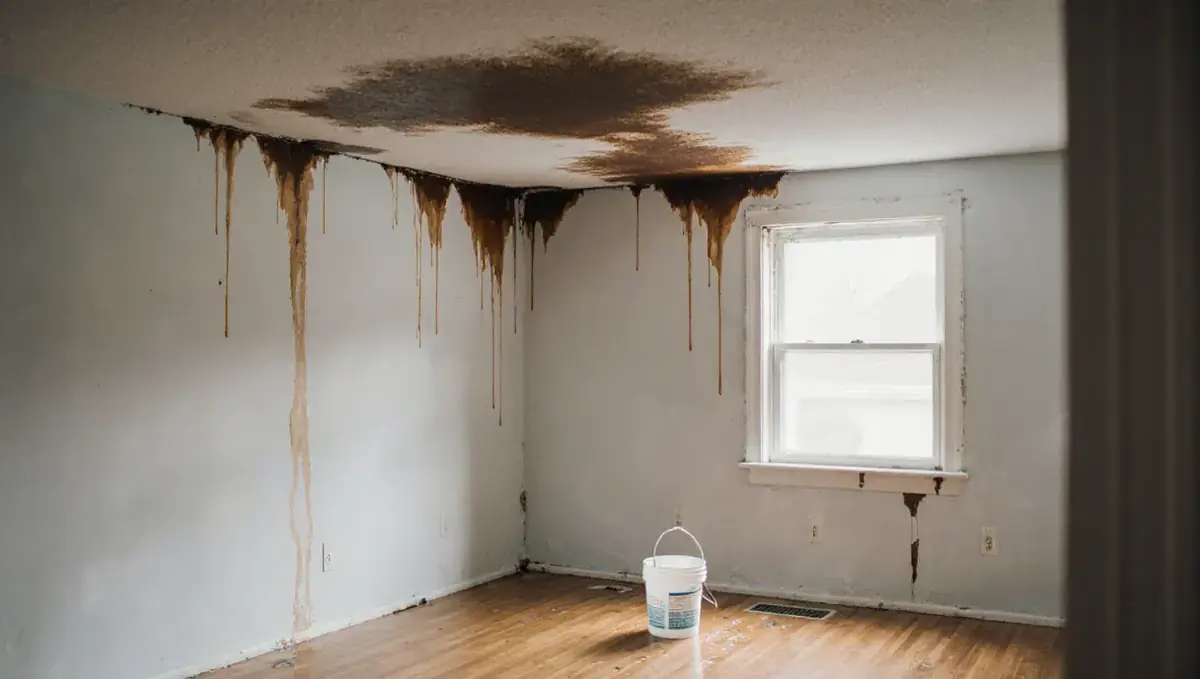
A River City Where Storms Do Most of the Damage
Downtown Montgomery grew up on the southern bank of the Alabama River, about 6 miles below the point where the Coosa and Tallapoosa rivers join. The city sits around 220 feet above sea level on the Gulf Coastal Plain, far from the surge that worries Mobile Bay, but that does not make it dry. Montgomery averages a little over 51 inches of precipitation a year (1991-2020 normals), and that rain comes in every season.
For most households here, water damage starts with one of a few familiar culprits:
- Severe thunderstorms and tornadoes that tear shingles, drop limbs on roofs and let rain pour into attics and ceilings.
- Tropical systems moving inland. Hurricane Ivan was hundreds of miles from landfall by the time it reached central Alabama in 2004, yet Montgomery still recorded wind gusts of 60 to 70 mph.
- Heavy rain on saturated ground, which can overwhelm gutters, low yards and slab edges, and push water under doors.
- Plumbing and appliance failures such as supply lines, water heaters and washing machine hoses, which can happen any day of the year.
Tornado history is part of local memory, too. On February 12, 1945, a tornado brushed the western edge of the city, destroyed about 100 homes and killed 26 people. Wind events like that are a reminder that a damaged roof can turn into an interior water problem within a single storm.
Older Homes in Cloverdale and the Garden District Need a Careful Touch
Montgomery has a deep stock of historic houses. Homes in the Garden District and Cloverdale date from roughly 1875 to 1949, many in Late Victorian and Gothic Revival styles, and neighborhoods such as Cottage Hill and Centennial Hill also carry historic district status. Older construction brings its own drying challenges.
- Plaster walls and wood lath hold moisture differently than modern drywall, so they need to be measured and dried, not simply cut out.
- Original hardwood floors can cup when water sits under them, and the restoration company should track moisture before deciding what can be saved.
- Raised floors and crawl spaces can trap humid air under the house long after the visible water is gone.
Newer subdivisions in fast-growing East Montgomery tend to be built on slabs with drywall and engineered flooring. Water there often wicks up walls and spreads under laminate, so the work looks different. Either way, ask the local provider how they plan to protect original materials and document what they remove.
What to Do Before the Restoration Crew Gets There
- Make it safe. Stay out of rooms where water has reached outlets, cords or appliances. Shut off power at the breaker only if you can reach the panel without standing in water.
- Stop the source. Close the main water valve for a plumbing leak. For a roof opening, keep people out of rooms below sagging ceilings, which can collapse.
- Identify the type of water. A clean supply line leak is Category 1. Water that came in from outside during a storm or backed up from a drain may be Category 3 and should be treated as contaminated.
- Photograph before you move anything. Wide shots, close-ups and video of each room help with an insurance claim.
- Protect what you can. Lift furniture off wet carpet, pull up area rugs and move documents and electronics to a dry room.
- Call for help. Reach a local restoration professional through (888) 817-5061 to start emergency water extraction.
Extraction, Drying and Repair, Step by Step
Water damage restoration in Montgomery generally follows the same core process, though each crew adapts it to the building.
Inspection and moisture readings
Technicians use moisture meters and often thermal cameras to map where water traveled. These first readings set the drying goals and become part of your claim file.
Water removal
Crews use pumps and extraction wands on carpet, pad and hard flooring. Removing bulk water quickly keeps it from soaking further into walls and cabinets.
Structural drying
Air movers and dehumidifiers run for several days while readings are checked. Montgomery's long, humid summers make dehumidification especially important. Learn more about structural drying.
Rebuild
After materials are confirmed dry, water damage repair covers drywall or plaster, trim, flooring, cabinets and paint. Ask any company about its licensing, insurance and training, for example IICRC certification, before work begins.
Storm Damage Cleanup and Flood Cleanup in Montgomery
After a severe storm or tornado, storm damage cleanup in Montgomery usually starts on the roof. Tarping openings quickly limits how much more rain gets in, and photos taken before the tarp goes up support the claim. Inside, wet insulation, ceiling drywall and carpet may need to come out so the structure can dry.
When rising water from outside enters a home, flood cleanup involves more than drying. Floodwater can carry sewage, fuel and debris, so affected drywall, insulation and porous materials are typically removed, and surfaces are cleaned and sanitized before drying. See our flood cleanup and storm damage cleanup pages for what that work involves.
Central Alabama is served by the National Weather Service office in Birmingham, which issues the watches and warnings for Montgomery. To see if your property falls in a mapped flood zone, search your address on the FEMA Flood Map Service Center.
Mold Removal in Montgomery and Alabama's Licensing Gap
EPA guidance notes that mold can begin growing on wet materials within 24 to 48 hours, and Montgomery's heat and humidity give it a head start. Hidden moisture in wall cavities, attics and crawl spaces is where problems most often develop after a leak seems to be fixed.
According to an industry roundup of state requirements, there is no Alabama state license specifically for mold remediation. We also found no official Alabama agency that licenses mold assessors or remediators. That puts more of the vetting on you. For mold cleanup in Montgomery, ask for industry certifications such as IICRC, a written plan for containment, and moisture or clearance documentation when the job is done.
For repair or remodeling work over $10,000, Alabama's Home Builders Licensure Board licenses residential builders and remodelers, and residential roofers need a license for jobs over $2,500. You can check a contractor on the HBLB licensee search. Read more about mold removal.
Insurance, Paperwork and Commercial Properties
- Know what your policy covers. Standard homeowners policies usually cover sudden pipe bursts and storm damage to the roof, but generally exclude flood. For rising water you need a separate NFIP or private flood policy, and a new NFIP policy usually takes 30 days to go into effect.
- Keep a paper trail. Save photos, moisture logs, invoices and receipts for emergency purchases such as tarps or fans.
- Consider a stronger roof. The Alabama Department of Insurance's Strengthen Alabama Homes program offers grants to help eligible homeowners upgrade to a FORTIFIED roof. Eligibility and application windows change, so check current terms.
Offices, churches, schools, apartment complexes and retail spaces around Montgomery face the same water but on a larger scale. Property managers can call (888) 817-5061 to be connected with a restoration company equipped for commercial drying and documentation. WaterQ cannot predict how an insurer will rule on a claim, but thorough records help every conversation.
Montgomery Neighborhoods and Surrounding Communities
The WaterQ referral line connects callers throughout Montgomery and the surrounding River Region with independent local restoration companies.
Neighborhoods
- Downtown
- Court Square
- Garden District
- Cloverdale
- Cottage Hill
- Centennial Hill
- Peacock Tract
- Dalraida
- East Montgomery
- Boylston
Nearby communities
- Prattville
- Millbrook
- Wetumpka
- Mount Meigs
- Pintlala
- Snowdoun
- Ramer
- Hayneville
- Selma
Montgomery Water Damage FAQ
Montgomery is far from the coast. Do hurricanes still cause water damage here?
They can. Hurricane Ivan brought wind gusts of 60 to 70 mph to Montgomery in 2004, and inland tropical systems can drop heavy rain. Wind-damaged roofs are a common path for water into homes.
Can plaster walls in an older Montgomery home be dried instead of replaced?
Often they can, depending on how long they were wet and what kind of water was involved. A restoration company can take moisture readings and explain which materials can be dried in place and which should be removed.
Does Alabama license mold remediation companies?
According to an industry roundup of state requirements, Alabama does not have a state license specifically for mold remediation, and we found no official state agency that licenses mold assessors or remediators. Ask for industry certifications and written clearance documentation.
Is tornado or storm damage covered differently than flooding?
Usually. Wind and roof damage that lets rain in is typically handled under a homeowners policy, while rising water from outside generally needs a separate flood policy. Review your policy or ask your agent for specifics.
Will WaterQ send someone from its own company to my Montgomery property?
An independent, local restoration company. WaterQ is a free referral service available 24/7, and the provider you are connected with handles the inspection, the drying and any repairs.
Local emergency and flood resources
Official sources for alerts, flood maps and preparedness in and around Montgomery: