Living Beside Wheeler Lake: Decatur's Water Picture
Decatur grew up on the banks of the Tennessee River, where Wheeler Lake now spreads along the city's edge. More than 6 of the city's 61 square miles are water, and Flint Creek and Dry Branch carry runoff through town to the river. The city also runs the busiest river port on the Tennessee, which ties local industry closely to the waterfront.
Rain is steady here. Decatur averages about 53 inches of precipitation a year, and December is typically the wettest month. Severe thunderstorms and tornadoes are most likely in spring and again in November. Winter can also bite: the city's record low is 19 degrees below zero, and a 2011 storm dropped up to 8 inches of snow.
Put together, that means water damage in Decatur can start with a roof torn by wind, a pipe that froze during a cold snap, a soaked yard draining toward a foundation, or simply a worn-out supply line under a sink.
Caring for Older Homes in Old Decatur and Albany
Decatur has the largest Victorian-era home district in Alabama, spread across Old Decatur and Albany, which was once known as New Decatur. These houses are a big part of the city's character, and they need a careful approach when water gets in.
- Original materials. Plaster walls, hardwood floors and decorative trim can often be dried and kept rather than torn out, if moisture is caught early and drying is controlled.
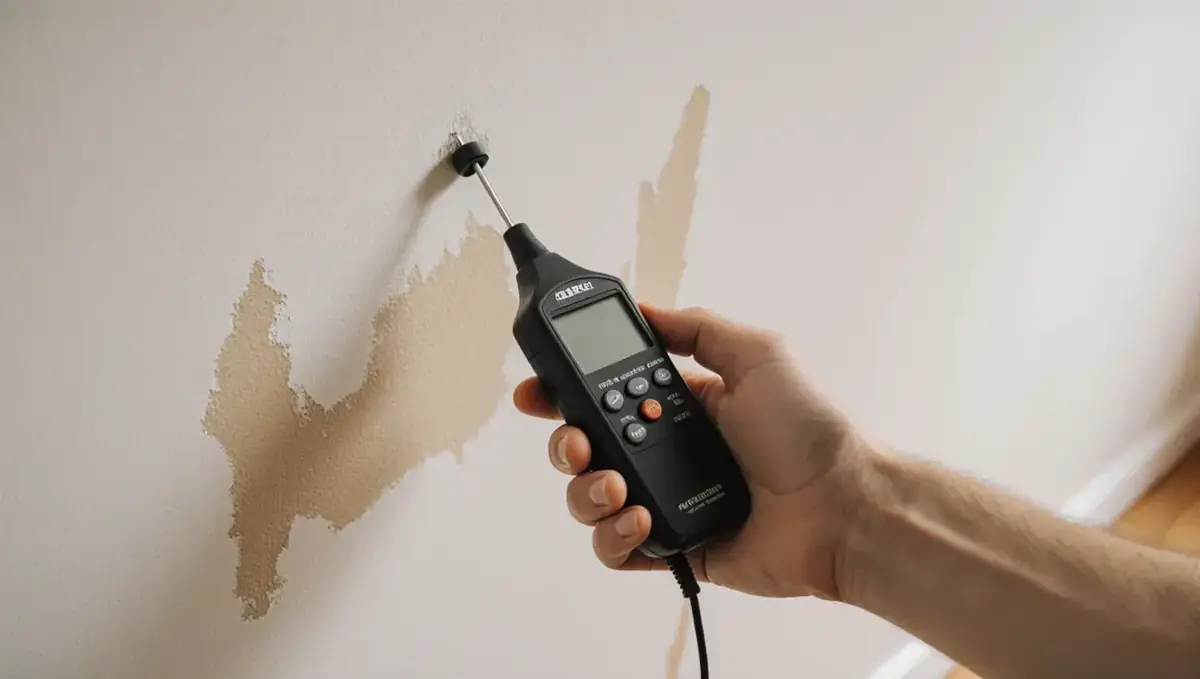
- Hidden paths. Water from an upstairs bath or roof leak can travel inside walls and along framing. Moisture meters and thermal imaging help find where it went.
- Aging systems. Older plumbing and roofing are common leak sources, so it is worth having the cause repaired by a qualified contractor before finishes go back in.
If you own a historic home, tell the restoration company up front so they can plan to save original materials where possible.
Steps to Take Before the Restoration Crew Gets There
- Shut off the water. Use the main valve, or the small valve behind a toilet or under a sink if that is the source.
- Watch for electrical risk. Do not step into standing water near outlets, cords or appliances. Turn off breakers to wet areas only if you can do so from dry ground.
- Sort the water. Clean supply-line water is Category 1. Water from a toilet overflow or washing machine drain is Category 2, and outside floodwater or sewage is Category 3 and should be handled by professionals.
- Take pictures. Photograph the source, each wet room and any damaged items before moving them.
- Lift and move. Get rugs, electronics, documents and keepsakes to a dry place.
- Make the call. Phone (888) 817-5061 to be matched with a Decatur-area company that handles water extraction and drying.
How Water Removal and Drying Are Handled
Most restoration companies serving Decatur work through a similar process, adjusted to the building and the type of water.
Assess
The crew identifies the source and water category, then maps moisture across floors, walls and ceilings. That map becomes the baseline for the drying plan.
Extract
Powerful extractors pull water from carpet, pad and hard surfaces. Removing as much as possible up front shortens drying time.
Dry and monitor
Dehumidifiers and air movers are placed to dry the structure, and readings are logged until materials return to normal levels. This is the core of structural drying.
Restore
Once the building is dry, water damage repair covers drywall or plaster, flooring, trim, paint and cabinets.
Severe Weather, Runoff and Flood Cleanup in Decatur
North Alabama's spring and November storm seasons can bring tornadoes, damaging wind and intense rain. On April 27, 2011, one of the deadliest tornadoes in the state's history crossed Limestone County near Tanner, just across Wheeler Lake from Decatur. When a storm opens a roof, rain damage inside can quickly outpace the wind damage outside.
Heavy rain can also overwhelm yard drainage and send water into garages and ground-level rooms. Storm runoff from the city drains toward Flint Creek and the Tennessee River system, and the City's Engineering Department handles drainage problems reported through Decatur Direct.
Any water that came in from outside should be treated as contaminated. Flood cleanup usually means removing soaked porous materials, cleaning and disinfecting, and then drying. For roof and wind damage, storm damage cleanup often starts with tarping or board-up.
Keeping Mold in Check After a Leak
Decatur's long, humid summers give mold an easy start. Following EPA guidance, mold may begin to grow on damp building materials within one to two days, which is why fast drying is the best prevention.
Decatur homeowners should know that, per an industry roundup of state rules, Alabama has no state license specifically for mold remediation; we also could not find an official Alabama agency licensing mold assessors or remediators. Before hiring anyone for mold cleanup in Decatur, ask about the company's training (for example IICRC certification), how it sets up containment, and whether it will provide written moisture readings and clearance documentation when the work is finished.
Read more about professional mold removal.
Riverfront Businesses, Insurance and Paperwork
Decatur is an industrial city, with major employers such as GE, 3M, United Launch Alliance and Daikin and a working river port. Offices, warehouses, shops and rental buildings all face roof leaks, sprinkler or plumbing failures and storm damage. Property managers can call (888) 817-5061 to be connected with a restoration company equipped for larger commercial drying projects.
- Flood coverage. Standard homeowners and many commercial property policies leave out flood. A National Flood Insurance Program policy or a private flood policy fills that gap, and new NFIP coverage normally waits 30 days before it starts.
- Flood maps. Properties near Wheeler Lake, Flint Creek or Dry Branch should check their zone on the FEMA Flood Map Service Center.
- Licensed repairs. Alabama's Home Builders Licensure Board licenses residential builders and remodelers for jobs over $10,000 and roofers over $2,500. Commercial general contracting falls under a separate state board.
- Documentation. Keep photos, moisture logs, invoices and drying reports together for your adjuster.
Decatur Neighborhoods and Surrounding Communities
WaterQ's free referral line connects callers throughout Decatur and nearby Morgan and Limestone County communities with independent local restoration providers.
Neighborhoods
- Old Decatur
- Albany
- Bank Street
- Downtown Decatur
- Point Mallard
Nearby communities
- Hartselle
- Priceville
- Trinity
- Athens
- Huntsville
- Madison
- Valhermoso Springs
Decatur Water Damage FAQ
Can plaster walls in my Old Decatur home be dried instead of replaced?
Often, yes, if the water was clean and drying begins quickly. A restoration crew can monitor moisture in plaster and framing and use controlled drying to save original materials where possible. Plaster soaked by contaminated water may still need removal.
How do I report a drainage problem in Decatur?
The City of Decatur's Engineering Department handles drainage questions and complaints. You can submit a request through Decatur Direct, the city's online service request system, and the department will inspect the issue.
When is severe weather most likely in Decatur?
Tornadoes and severe thunderstorms are most common in spring and again in November. December is usually the wettest month, so roof and drainage problems can show up in winter too.
Does Alabama license mold remediation companies?
Based on an industry roundup of state requirements, Alabama does not have a state license specifically for mold remediation, and we found no official state agency that licenses mold assessors or remediators. Ask about training such as IICRC certification and get written clearance documentation.
Does WaterQ handle the cleanup itself?
No. WaterQ is a free referral service, available 24/7, that connects you with an independent local restoration company. That company inspects the property, provides its estimate and performs the work.
Local emergency and flood resources
Official sources for alerts, flood maps and preparedness in and around Decatur: