Rain in Every Season on Lee County's Fall Line
Opelika, the Lee County seat, sits around 807 feet above sea level on the fall line, where the rolling Piedmont to the north gives way to the flatter coastal plain to the south. Fittingly, the city's name is drawn from Creek words meaning "large swamp." Runoff from this part of the county feeds Sougahatchee Creek, which winds west toward the Tallapoosa basin.
Opelika averages about 55 inches of precipitation a year, and it does not save it all for summer. December and February are actually the wettest months on the local climate table, at roughly 5.7 and 5.3 inches. That means a tired roof, a clogged gutter or a low spot by the foundation can let water in during a cold, gray week just as easily as during a July thunderstorm.
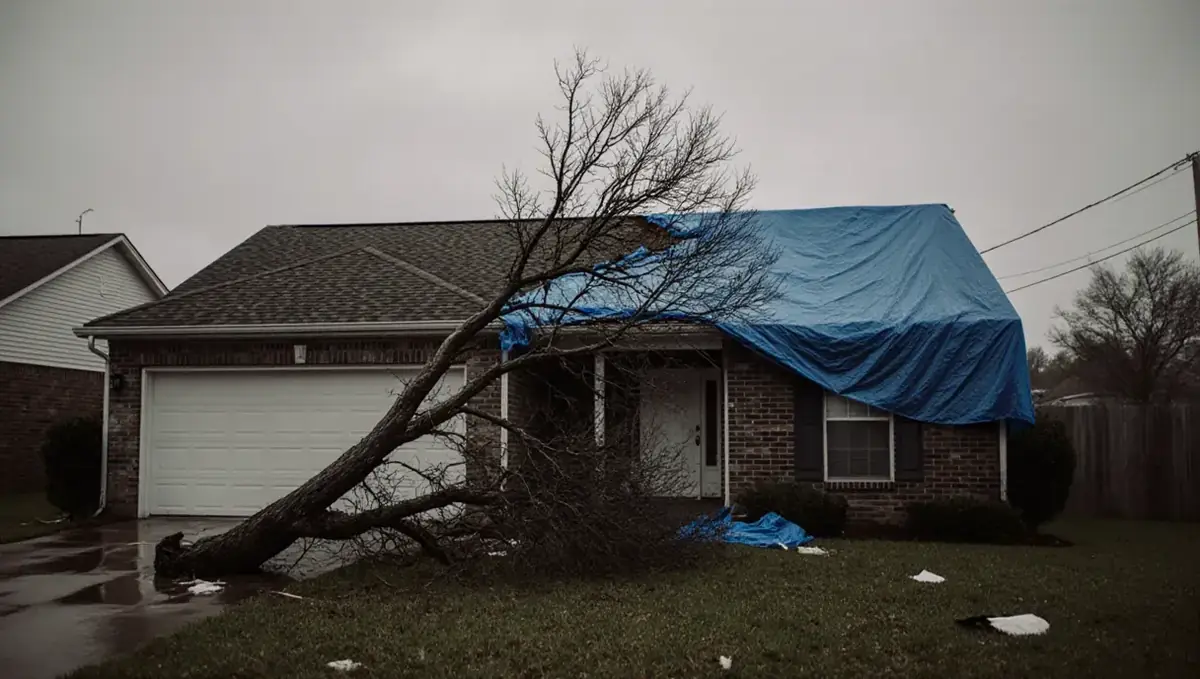
The other big local risk is wind. Severe storms and tornadoes regularly cross east Alabama, and once shingles or siding are torn away, the next band of rain goes straight into attics, ceilings and walls. When outdoor water does get inside after a downpour, flood cleanup in Opelika calls for more than a wet vac, because that water is treated as contaminated.
Your First Hour With a Leak or Flooded Room
Most of the damage from indoor water happens slowly, as it soaks into drywall, subfloors and insulation. A few quick moves can keep the job smaller:
- Shut the water off. Close the fixture valve or the main. If the leak is from the roof, put buckets under drips and gently poke a small hole in a bulging ceiling so water can drain instead of bringing the drywall down.
- Keep electricity and water apart. Stay out of standing water near outlets, cords or appliances, and only switch off a breaker if you can reach the panel while standing on dry ground.
- Decide what kind of water it is. A broken supply line is clean water (Category 1). Water that came in from outside, or from a toilet or drain backup, can carry contaminants (Category 3) and calls for gloves, boots and professional cleaning.
- Record it. Photograph the source, the water line on walls and damaged belongings before anything is thrown out.
- Bring in help. One call to (888) 817-5061 puts you in touch with an Opelika-area restoration company for emergency water removal and drying.
Tornado and Wind-Driven Rain Damage in East Alabama
Lee County knows how quickly a storm can change everything. On March 3, 2019, an EF-4 tornado with winds near 170 mph tracked almost 27 miles from near Society Hill to Smiths Station, killing 23 people, mostly in the Beauregard community southeast of Opelika. A second, weaker tornado crossed the county the same afternoon.
Most storms are far less severe, but even straight-line winds can lift shingles, drop limbs through a roof or crack windows. The water that follows is often what drives up the repair bill. Good storm damage cleanup usually covers:
- Emergency tarping or board-up to stop more rain from getting in
- Removing soaked insulation, ceiling drywall and debris
- Drying framing and roof decking before anything is closed back up
- Documenting the damage room by room for the insurance adjuster
Lee County EMA offers free weather alerts, and signing up before storm season is one of the simplest ways to get a head start.
What Drying and Restoration Actually Involve
Water damage restoration in Opelika, and the water damage repair that follows it, runs along a fairly predictable path, whether it is a single bathroom or a whole floor. Knowing the steps helps you ask good questions of the company you are connected with.
Inspection and moisture readings
A technician uses moisture meters, and often a thermal camera, to trace how far water has spread under flooring and behind baseboards. Those readings set the drying goals.
Extraction and removal
Standing water is pulled out with portable or truck-mounted units. Pad, swollen baseboard and saturated drywall are typically cut away so the cavities behind them can breathe.
Structural drying
Dehumidifiers and air movers run for several days while readings are checked. Learn more about structural drying and why it is hard to rush.
Rebuild
Once the materials test dry, drywall, flooring, trim and cabinets are replaced. For bigger jobs, it helps to pick a company that can manage both the drying and the rebuild so nothing falls through the cracks.
Older Downtown and Mill-Village Buildings
Opelika grew up as a railroad town, and much of that history is still standing. The Railroad Avenue, Northside and Geneva Street historic districts, the Pepperell Mill and Mill Village Historic District and the blocks around the Lee County Courthouse hold many older homes and commercial buildings.
Older structures tend to have a few things in common: aging supply and drain lines, layered roofing, plaster walls and raised wood floors over crawlspaces. Water can travel a long way in these buildings before it shows, and plaster or old-growth flooring may call for a gentler drying approach than modern drywall.
Shop owners and property managers downtown can call (888) 817-5061 too. A restoration company can plan drying around business hours and keep moisture records that support a commercial claim.
Mold Cleanup in Opelika and How Alabama Handles Licensing
EPA guidance notes that mold can start to grow within 24 to 48 hours on wet materials, and east Alabama's warm, humid weather does nothing to slow it down. Damp crawlspaces, attic insulation under a slow roof leak and carpet that never fully dried are the usual trouble spots.
According to an industry roundup of state requirements, Alabama does not have a state license specifically for mold remediation, and we found no official Alabama agency that licenses mold assessors or remediators. That makes it worth asking any company about its training, such as IICRC certification, and asking for written moisture readings and clearance documentation when the work is done.
For residential repair or remodeling over $10,000, Alabama's Home Builders Licensure Board licenses the contractor, and you can check a license with its online search. See how professional mold removal uses containment and drying to keep the problem from coming back.
Claims, Coverage and Paperwork
- Know what your policy covers. Standard homeowners policies typically cover sudden leaks and storm-opened roofs, but generally exclude flood. Flood coverage comes from the NFIP or a private flood policy, and a new NFIP policy usually has a 30-day waiting period.
- Protect the property. Insurers expect reasonable steps to prevent more damage, such as tarping a roof or stopping a leak. Keep receipts.
- Save the evidence. Photos, video, moisture logs and the restoration company's drying reports all help an adjuster understand what happened.
- Consider a stronger roof. The Strengthen Alabama Homes program offers grants to help eligible homeowners upgrade to a FORTIFIED roof; check current terms on its site.
WaterQ cannot predict how a claim will be handled, but a clear record helps. To speak with a local restoration company now, call (888) 817-5061.
Where We Connect Callers In and Around Opelika
WaterQ's free referral line connects homeowners and businesses across Opelika and the rest of Lee County with independent local restoration companies.
Neighborhoods
- Downtown Opelika
- Northside Historic District
- Geneva Street Historic District
- Railroad Avenue Historic District
- Pepperell Mill Village
- Spring Villa area
Nearby communities
- Auburn
- Phenix City
- Smiths Station
- Beauregard
- Loachapoka
- Notasulga
- Waverly
Opelika Water Damage FAQ
When is water damage most likely in Opelika?
Any time of year. Opelika averages about 55 inches of precipitation annually, and December and February are the wettest months on average, while spring and summer bring severe thunderstorms and the occasional tornado.
A storm damaged my roof and water is coming in. What should I do first?
Stay safe, catch drips, and get the opening covered as soon as it is safe to do so. Photograph the damage, then call for help so wet insulation and drywall can be removed and dried before mold starts.
Do mold remediation companies in Alabama need a state license?
According to an industry roundup, Alabama does not have a state license specifically for mold remediation, and we found no state agency that licenses it. Ask about training such as IICRC certification and request written clearance documentation.
Can older homes in Opelika's historic districts be dried without tearing everything out?
Often some materials can be saved. Plaster walls and older wood floors may respond to careful, controlled drying, but the restoration company will base that decision on moisture readings and the type of water involved.
Is WaterQ the company that comes to my house?
No. WaterQ is a free referral service available 24/7. We connect you with an independent local restoration company, which handles the inspection, the work and the estimate.
Local emergency and flood resources
Official sources for alerts, flood maps and preparedness in and around Opelika: