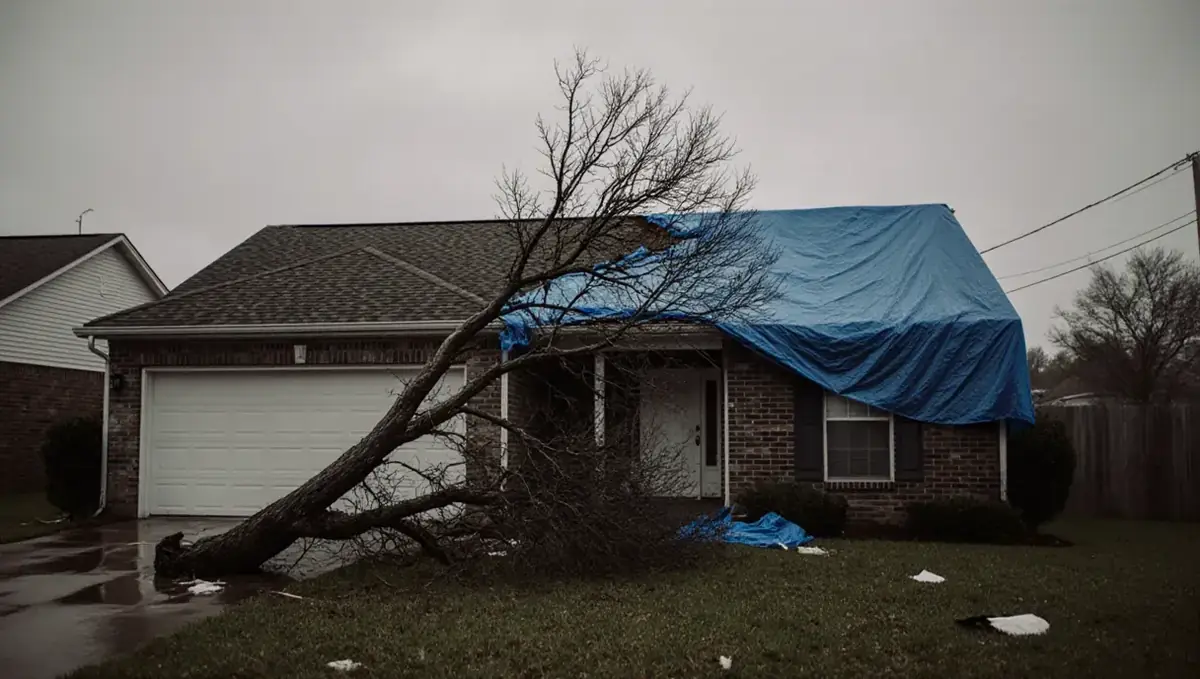
Waveland's Place on the Mississippi Sound
Waveland is a compact Hancock County city of about 8.6 square miles on the Gulf of Mexico shoreline, where the Mississippi Sound meets the beach. Bay St. Louis wraps around it to the north and northeast, Gulfport is about 18 miles east, and New Orleans is about 55 miles west. Most of the city sits around 20 feet above sea level.
Two lines shape how residents talk about risk. U.S. 90 crosses the northern part of town, and the old Louisville and Nashville Railroad runs between the highway and the beach. During Hurricane Camille, the heaviest damage fell south of that railroad. For anyone dealing with water damage in Waveland today, knowing which side of those lines a property sits on, and its flood zone, is a good place to start.
Two Direct Hits in One Lifetime
Few towns have been struck as squarely as Waveland. Camille's eye passed over the city when it came ashore on August 17, 1969, and recovery took close to a decade. The National Weather Service lists a 24.6-foot storm tide at nearby Pass Christian and roughly 10 inches of rain along the Gulf Coast from that storm.
On August 29, 2005, Katrina's eyewall crossed Waveland directly. The National Hurricane Center's report places the storm's 24 to 28 foot surge on the St. Louis Bay area, covering Waveland, Bay St. Louis, Pass Christian and Long Beach. The surge also arrived near high tide, which added to its height. Public buildings such as the Waveland Public Library were lost.
Those storms are a lasting reminder to watch forecasts closely during the June 1 to November 30 hurricane season.
Leaks and Floods That Have Nothing to Do With Surge
Big hurricanes get the headlines, but most water damage calls are smaller. A supply line bursts behind a toilet. A water heater lets go in a utility closet. A slow drip under a raised home soaks insulation and subfloor for weeks before anyone notices. Heavy coastal downpours can also pond around foundations and back up drains.
If your home is raised, it brings its own issues. Water from a plumbing failure can travel down into the framing and the enclosed area underneath, and wind-driven rain can enter at windows, doors and roof edges during any strong storm. Prompt water damage repair keeps a small leak from becoming a structural problem.
Your Checklist When Water Shows Up Indoors
- Put safety ahead of belongings. Keep away from standing water around electrical outlets, extension cords and appliances. After a storm, watch for downed lines outside.
- Shut off the supply. Use the main valve for any plumbing leak and confirm the water stops.
- Take pictures first. Photograph every affected room, the source and damaged items before anything is thrown out.
- Separate wet from dry. Move furniture, rugs and boxes away from the water, and put foil or blocks under furniture legs.
- Line up professional help. Dial (888) 817-5061 any time to be connected with a local company for water removal and drying.
Flood Cleanup and Storm Recovery Done in Order
When outside water enters a home, it is classed as Category 3 and treated as contaminated. That changes the job. Porous items it touched, such as carpet, pad, insulation and the lower portion of drywall, usually come out rather than being dried in place.
Removal and cleaning
A restoration crew extracts standing water and silt, removes unsalvageable materials and cleans and sanitizes framing and hard surfaces.
Drying
Dehumidifiers and air movers then run until moisture meters show the structure is dry. Expect daily checks and written readings.
Rebuild
Only after the structure is verified dry does rebuilding start. For roof damage, tarping and storm damage cleanup often happen first so rain does not undo the drying. Flood cleanup in Waveland also tends to raise permit and floodplain questions, so contact the city before major repairs.
Keeping Mold From Taking Over
Mold problems often show up in houses that were closed up during an evacuation. EPA guidance is to dry water-damaged materials within 24 to 48 hours, which is hard to manage when power is out or roads are closed. Look for musty odors, spotting on drywall and staining under sinks and around windows.
Mississippi does not have a state license specifically for mold remediation, according to an industry roundup of state requirements, and the Mississippi State Board of Contractors' homepage does not list such a license. So it is up to you to ask questions. Request proof of training (for example IICRC certification) and insurance, ask how the work area will be contained, and ask for written moisture and clearance results when the job is done. More on mold removal.
Insurance, Flood Zones and Paperwork
In a town built on the Sound, the difference between flood and wind coverage matters. Homeowners policies generally exclude flood and surge; that coverage comes from an NFIP or private flood policy, and an NFIP policy usually has a 30-day wait before it starts. Wind damage and rain entering through a damaged roof are usually handled under the homeowners or wind policy.
- Look up your property on FEMA's Flood Map Service Center.
- Keep every receipt, photo and drying report together in one folder or cloud album.
- Check a rebuild contractor's license with the Mississippi State Board of Contractors.
- Sign up for the city's emergency messaging system through the City of Waveland website.
WaterQ can't speak for any insurer, but when you're ready to start, call (888) 817-5061 to reach a local restoration company. Nearby, Bay St. Louis and Long Beach have their own pages.
Waveland Areas and Nearby Hancock County Communities
Our free referral line connects callers in Waveland and nearby coastal and inland communities with independent local restoration companies, for homes and businesses alike.
Neighborhoods
- Coleman Avenue area
- Beachfront south of the railroad
- North Waveland along U.S. 90
Nearby communities
- Bay St. Louis
- Diamondhead
- Kiln
- Lakeshore
- Clermont Harbor
- Pearlington
- Pass Christian
- Long Beach
- Gulfport
- Picayune
Waveland Water Damage FAQ
Which parts of Waveland are most exposed to surge?
Low-lying property closest to the beach is most exposed. During Camille in 1969 the heaviest damage fell south of the Louisville and Nashville Railroad line, and Katrina's surge in 2005 reached well beyond it. Check your address on FEMA's flood maps for your specific zone.
My raised home has a leak underneath. Is that water damage?
Yes. A plumbing leak under a raised home can soak insulation, subfloor and framing before it shows up indoors. Shut off the water and have the area inspected and dried.
Does homeowners insurance pay for surge damage in Waveland?
Usually not. Standard homeowners policies generally exclude flood, including storm surge. You need an NFIP or private flood policy, and NFIP coverage typically starts 30 days after purchase.
How do I vet a mold company in Mississippi?
Since Mississippi does not appear to license mold remediation specifically, ask about training such as IICRC certification, insurance, containment methods and written clearance documentation before you hire.
Who actually does the work when I call WaterQ?
An independent local restoration company. WaterQ is a free referral service available 24/7 and does not have its own technicians.
Local emergency and flood resources
Official sources for alerts, flood maps and preparedness in and around Waveland: