Inland, Wet and in the Path of Gulf Storms
Picayune is the largest city in Pearl River County, sitting around 72 feet above sea level and roughly 45 miles from New Orleans, Hattiesburg and the Gulfport-Biloxi area. Stennis Space Center is about 10 miles away. The Pearl River, which gives the county its name, marks the line with Louisiana, with St. Tammany and Washington parishes across the water.
Being inland keeps Picayune out of reach of Gulf storm surge, but it does not keep it dry. The city averages about 66.7 inches of precipitation a year, more than many coastal towns. That much rain finds every weak spot in a roof, gutter or foundation, and it is the reason water damage in Picayune often starts overhead rather than at the front door.
What Katrina Taught Pearl River County About Wind
When Hurricane Katrina came through in 2005, its eyewall passed over Picayune. Damage was not as severe as in the coastal cities, but it was extensive: roofs, windows and fences were torn up, hundreds if not thousands of trees came down, and some residents were without power for up to a few weeks. Winds of 135 mph were unofficially recorded at Pearl River Community College in Poplarville.
Inland wind is not a one-time story. The National Weather Service notes that Camille in 1969 still carried 120 mph sustained winds at Columbia, Mississippi, 75 miles inland. Ida in 2021 dropped 13.65 inches of rain near Kiln, just south in Hancock County.
The pattern for inland homes is consistent: a damaged roof or broken window lets rain in for hours or days, often before anyone can get a tarp up. Fast storm damage cleanup limits how far that water spreads into ceilings, insulation and walls.
When the Power Stays Off
Long outages are their own kind of water problem. Without electricity, sump pumps stop, air conditioning and dehumidifiers shut down and a house that took on even a little water starts to smell musty within days. Freezers and refrigerators can also leak as they thaw.
- Prop open interior doors and, when it is safe and dry outside, open windows to move air.
- Pull wet rugs, cushions and cardboard boxes out of the house.
- Run a generator only outdoors and well away from doors and windows, never in a garage.
- Photograph damage before you clean, so you have a record for your insurer.
Once power and roads allow, a restoration company can bring in commercial dehumidifiers and air movers for proper structural drying.
Everyday Leaks in Picayune Homes
Most calls are not about hurricanes at all. Water heaters fail, toilet supply lines crack, dishwashers and washing machines leak and slow drips under sinks rot out cabinet floors. Homes with crawlspaces can hide a plumbing leak for weeks, wetting subflooring and insulation underneath the house.
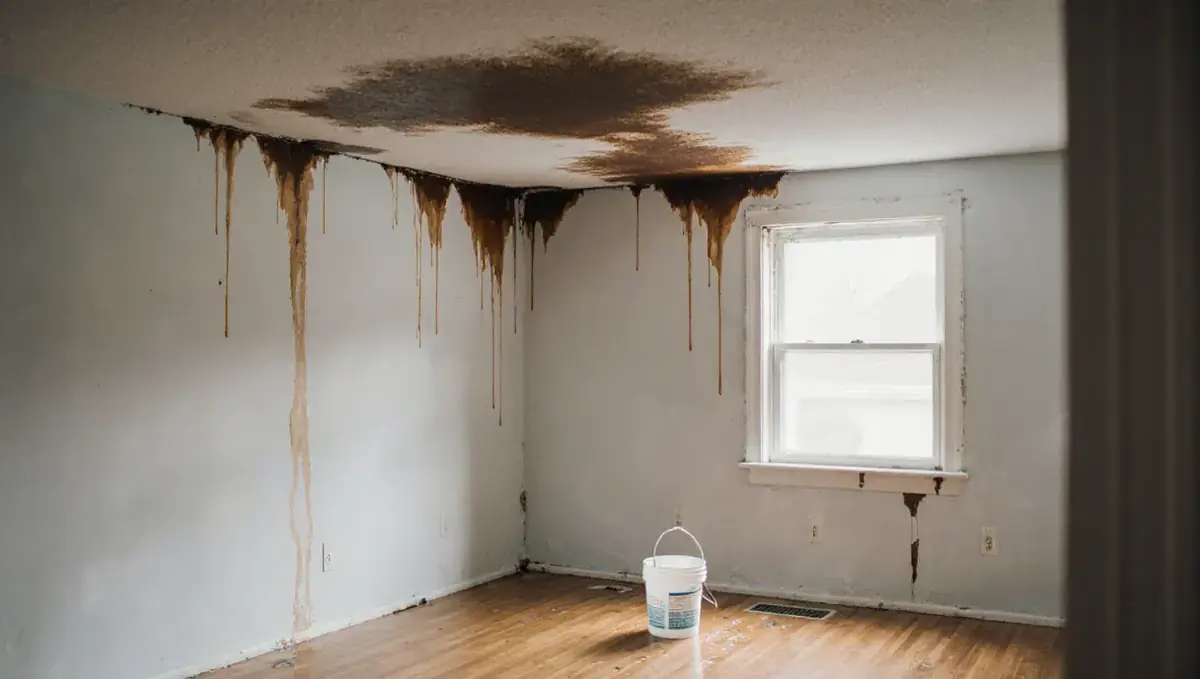
Signs worth checking right away include a sudden jump in your water bill, warped or soft flooring, brown rings on ceilings and a musty smell that will not go away. Early water damage repair is almost always smaller and less disruptive than a delayed one.
First Moves When You Discover the Damage
- Watch out for electrical hazards. A sagging, water-filled ceiling can collapse onto light fixtures. Keep people out from under it and turn off that circuit if you can do so safely.
- Stop the water. Close the main valve for plumbing problems. For a roof leak, put buckets down and move belongings away.
- Record it. Take wide and close-up photos and short videos of every affected area.
- Protect the contents. Move electronics, furniture and papers to a dry room.
- Call for help. Reach (888) 817-5061 around the clock and we will connect you with a local professional for water extraction, drying and repairs.
Inside a Typical Restoration Job
The restoration company you are connected with should begin with an inspection, find the source and classify the water. Clean supply-line water is handled differently from rainwater that ran through an attic or floodwater from outside, which can carry contaminants.
Standing water is extracted, wet ceiling drywall and insulation are often removed, and drying equipment is placed and adjusted based on daily moisture readings. When materials reach dry standards, repairs follow: drywall, paint, flooring and trim. For a roof-related job, the roof itself needs to be repaired or tarped first, or the next storm will soak everything again. Check the license of any rebuild contractor with the Mississippi State Board of Contractors' online search.
Mold in a 66-Inch Rain Climate
Per EPA guidance, mold growth can get started within a day or two on materials that stay wet. With Picayune's rainfall, warm summers and the chance of extended outages after storms, ceilings and attics are common trouble spots.
An industry roundup of state requirements reports that Mississippi does not have a state license specifically for mold remediation, and the Mississippi State Board of Contractors' homepage does not list a mold remediation license. Ask any company about its training (for example IICRC certification), insurance, containment plan and whether it provides written moisture and clearance documentation. Read about mold cleanup and removal for more detail.
Coverage Questions for Wind, Rain and Flood
For inland homes, much storm damage starts with wind, and rain entering through a wind-damaged roof or window is usually handled under a homeowners policy. Water that rises from the ground, such as an overflowing creek or river, is flood, and standard homeowners policies generally exclude it. Flood coverage comes from an NFIP or private policy, and NFIP policies usually carry a 30-day waiting period.
Look up your property on FEMA's Flood Map Service Center, keep receipts for tarps and emergency repairs and save the drying logs. WaterQ cannot predict a claim outcome, but you can call (888) 817-5061 to be connected with a local company that documents its work. Neighbors in Hattiesburg and Bay St. Louis have their own pages.
Picayune and Nearby Pearl River County Communities
WaterQ's free 24/7 referral line connects callers in Picayune and surrounding Pearl River and Hancock County communities with independent local restoration companies.
Neighborhoods
- Downtown Picayune
Nearby communities
- Carriere
- Nicholson
- McNeill
- Poplarville
- Lumberton
- Kiln
- Diamondhead
- Bay St. Louis
- Waveland
- Slidell, LA
Picayune Water Damage FAQ
Picayune is inland. Do hurricanes really cause water damage here?
Yes. Katrina's eyewall passed over Picayune in 2005, damaging roofs, windows and fences and bringing down large numbers of trees. Rain entering through that damage is one of the most common causes of inland water damage.
How much rain does Picayune get?
Picayune averages about 66.7 inches of precipitation a year, which makes roof, gutter and drainage maintenance especially important.
What should I do if a storm knocks out power and my house is wet?
Move wet items out, open interior doors, ventilate when it is safe and dry outside, run generators only outdoors and photograph everything. Get professional drying started as soon as power and roads allow.
Do Mississippi mold remediation companies need a state license?
Mississippi does not appear to have a state license specifically for mold remediation, according to an industry roundup. Ask about training such as IICRC certification, insurance, containment and written clearance documentation.
Does WaterQ repair my home?
No. WaterQ is a free referral service. Our line is available 24/7 and connects you with an independent local restoration company that handles the work.
Local emergency and flood resources
Official sources for alerts, flood maps and preparedness in and around Picayune: