A Capital City Shaped by the Pearl River
Jackson sits at roughly 361 feet above sea level, but elevation alone does not keep it dry. The Pearl River forms most of the city's eastern border, the Ross Barnett Reservoir lies just to the northeast, and tributaries of the Big Black River drain the western side of town. The city spreads across Hinds County, with smaller portions in Madison and Rankin counties.
The river has a long record of trouble here. As far back as 1966, recurring Pearl River flood damage at Jackson averaged nearly a million dollars a year. More recently, the river crested at 36.67 feet on February 17, 2020, its highest level since 1983 and the fourth highest since records began in 1901. That crest followed about 72 hours of heavy rain falling on ground that was already saturated.
Rain is not confined to one season. Jackson averages about 57 inches of precipitation a year, and winter and spring are the wettest stretches, so a river rise can happen long before hurricane season starts. If you are dealing with water damage in Jackson, the cause could be the river, a storm, or the plumbing inside your walls.
Main Breaks, Freezes and Boil Water Notices
Many local water damage calls have nothing to do with the river. Jackson's water distribution system has been under heavy strain for years. Between 2017 and 2021 the city averaged about 55 breaks per 100 miles of water line each year, well above the rate of 15 or fewer that is generally considered safe. Since 2018 there have been more than 7,300 line breaks and over 300 boil water notices.
Cold snaps add pressure. A February 2021 winter storm shut down the O. B. Curtis Water Treatment Plant and left residents without water for about a month. In late August 2022, Pearl River flooding forced the same plant to stop treating drinking water, affecting about 150,000 people.
For homeowners, those events point to a few practical habits:
- Know where your main shutoff valve is and make sure it turns freely.
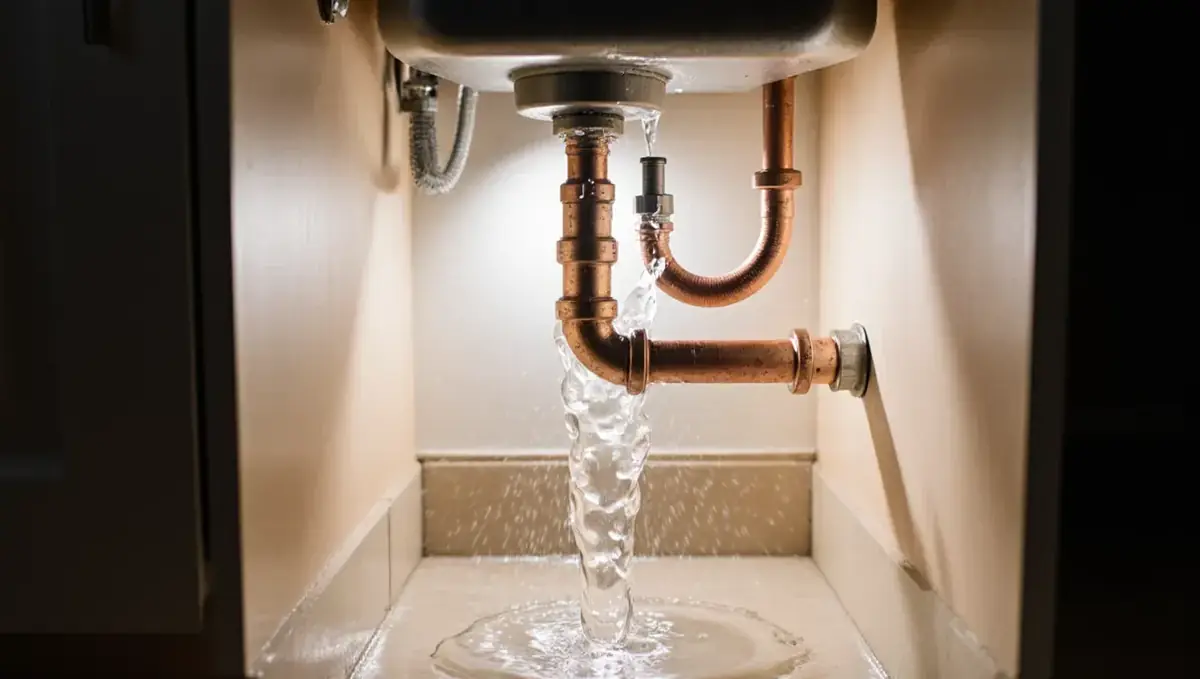
- When pressure returns after an outage, check under sinks, behind toilets and around the water heater for drips.
- Insulate exposed pipes in crawlspaces, garages and exterior walls before a hard freeze.
- If a break floods a room, treat the cleanup as urgent. A flooded room from a clean supply line can still grow mold if it is not dried properly.
Your First Moves When Water Gets Inside
Staying calm and working in order helps limit the damage and protects your claim.
- Shut off the source. Close the main valve or the valve at the fixture. If water is coming in from outside during a flood, do not try to hold it back from inside a dangerous structure.
- Watch for electrical hazards. Keep out of standing water near outlets, cords and appliances, and only switch off breakers if you can reach the panel while dry.
- Identify the type of water. A broken supply line is usually clean water (Category 1). River floodwater and sewage backups are Category 3 and can carry bacteria and chemicals.
- Photograph before you clean. Capture the water line on walls, the source, and every damaged item.
- Protect belongings. Move rugs, papers, electronics and furniture out of wet areas or raise them up.
- Bring in help. Call (888) 817-5061 to be connected with a local company that can start emergency water extraction.
What a Jackson Restoration Job Usually Involves
Most professional water damage restoration in Jackson follows the same broad steps, adjusted for the size and source of the loss.
Assessment and water removal
The crew confirms the source is stopped, checks for safety issues and uses pumps or extractors to remove standing water from floors, carpet and pad.
Finding hidden moisture
Moisture meters and thermal cameras show how far water has wicked into drywall, subfloors and cabinets. Those readings guide the drying plan and support your insurance file.
Drying and dehumidifying
Air movers and dehumidifiers run until materials reach normal moisture levels. Wet insulation, pad and the lower part of drywall are often removed so wall cavities can dry. Learn more about structural drying.
Rebuild
Once readings confirm everything is dry, water damage repair begins: drywall, flooring, trim and cabinetry. Before signing a repair contract, look the contractor up on the Mississippi State Board of Contractors' online license search, and ask about insurance and training such as IICRC certification.
River Crests, Severe Weather and Storm Cleanup
When the Pearl River rises, homes and businesses in low areas near the river are the first to feel it. Watch National Weather Service river forecasts for the Pearl River at Jackson whenever heavy rain lingers for days, especially in winter and spring. The NWS Jackson office keeps summaries of past local weather events that show how these floods develop.
Severe thunderstorms and tornadoes are another concern. Mississippi averaged 46 tornadoes a year from 1985 to 2019, and even a near miss can tear off shingles or break windows, letting rain soak ceilings and insulation.
Professional flood cleanup after river water enters a building means removing contaminated drywall, flooring and insulation, then cleaning and sanitizing before drying. For roof and window damage, storm damage cleanup often starts with emergency tarping or board-up to stop more rain from getting in.
Mold Concerns and Mississippi Licensing
Per EPA guidance, mold may begin to form on wet building materials in as little as 24 to 48 hours. Jackson's humidity and frequent rain mean wet drywall and carpet pad rarely dry well on their own, so mold removal in Jackson often follows a water loss that was not dried quickly or thoroughly.
Mississippi does not appear to have a state license specifically for mold remediation, according to an industry roundup of state requirements, and the Mississippi State Board of Contractors does not list one. Because there is no state mold license to check, ask any mold remediation company about its industry certifications, how it sets up containment, and whether it provides written moisture readings and clearance documentation when the job is done.
See how professional mold removal keeps spores from spreading into clean parts of a home.
Claims, Records and Coverage Gaps
- Flood needs its own policy. Standard homeowners policies generally exclude flood. River flooding is typically covered only by an NFIP or private flood policy, and NFIP coverage usually has a 30-day waiting period.
- Sudden pipe bursts are different. A sudden plumbing failure is often handled under a homeowners policy, while long-term leaks may not be. Read your policy or ask your agent.
- Keep a paper trail. Save photos, receipts for emergency work, and the restoration company's moisture logs and drying reports.
- Know where to turn. The Mississippi Insurance Department can help if you have questions about how a claim is being handled.
WaterQ cannot predict what an insurer will approve, but good documentation helps. For 24/7 emergency help, call (888) 817-5061.
Homes, Offices and Apartment Buildings Across the Metro
Water damage looks different from one property to the next. A house in Belhaven may need floors and walls dried after a pipe splits, while an office downtown may have wet carpet tiles across several suites after a sprinkler or supply line failure. Apartment and commercial managers often need moisture readings room by room to coordinate tenants, owners and insurers.
WaterQ is a free referral service, not a contractor. We connect callers in Jackson and nearby cities such as Pearl and Ridgeland with independent local restoration companies, and those companies handle the inspection, estimate and work.
Jackson Neighborhoods and Surrounding Communities
Our free referral line connects property owners throughout Jackson and the surrounding metro with independent local restoration providers.
Neighborhoods
- Belhaven
- South Jackson
- Downtown Jackson
Nearby communities
Jackson Water Damage FAQ
How high has the Pearl River risen at Jackson in recent years?
The river crested at 36.67 feet on February 17, 2020, its highest level since 1983, and again reached 35.37 feet on August 29, 2022. Both floods followed days of heavy rain, so it is worth watching NWS river forecasts whenever rain persists.
A water main break flooded my yard and crawlspace. What should I do first?
Stay clear of any electrical hazards, photograph the damage, and report the break to the city. Then have the crawlspace and any wet framing or insulation checked and dried promptly, since lingering moisture under a house can lead to mold and wood damage.
Do I need a state license to hire a mold remediation company in Mississippi?
Mississippi does not appear to license mold remediation specifically, based on an industry roundup of state rules. Ask the company about its certifications, containment methods and whether it provides written clearance documentation.
Is Pearl River flooding covered by my homeowners insurance?
Usually not. Standard homeowners policies generally exclude flood, which is covered by NFIP or private flood insurance. NFIP policies typically have a 30-day waiting period, so buy coverage well before a river rise.
Does WaterQ do the restoration work itself?
No. WaterQ is a free referral service available 24/7. We connect you with an independent local restoration company in the Jackson area, and that company performs the inspection and the work.
Local emergency and flood resources
Official sources for alerts, flood maps and preparedness in and around Jackson: