A River City on the Tennessee-Tombigbee Waterway
Columbus, the seat of Lowndes County, sits on the Tombigbee River in eastern Mississippi near the Alabama line. The river here is part of the Tennessee-Tombigbee Waterway, and Columbus Lake, formed by the John C. Stennis Lock and Dam, lies about two miles north of downtown. Luxapalila Creek runs through town and separates East Columbus from the rest of the city.
At about 217 feet above sea level, Columbus is lower than many north Mississippi cities, and about 0.83 of its 25.88 square miles is water. If your home or business is close to the river or the creek, check its zone on the FEMA Flood Map Service Center before you need to know.
Most calls, though, do not start with the river at all. A cracked water heater, a failed washing machine hose or an ice maker line can put gallons on the floor in an hour, and older homes may have plumbing that has seen decades of use. Water that runs under cabinets or into a crawlspace is easy to miss until floors soften or odors appear. Acting quickly, shutting off the supply and getting the area dried out properly are what keep a manageable leak from becoming a much larger repair job.
Tornadoes and Damaging Winds in Recent Memory
Wind has been the most damaging force in Columbus in recent decades:
- February 2001: straight-line winds of 74 mph caused damage around the city.
- November 10, 2002: a tornado damaged Mississippi University for Women.
- February 2019: an EF3 tornado took a direct hit on Columbus, causing devastating damage to homes and businesses and killing one woman.
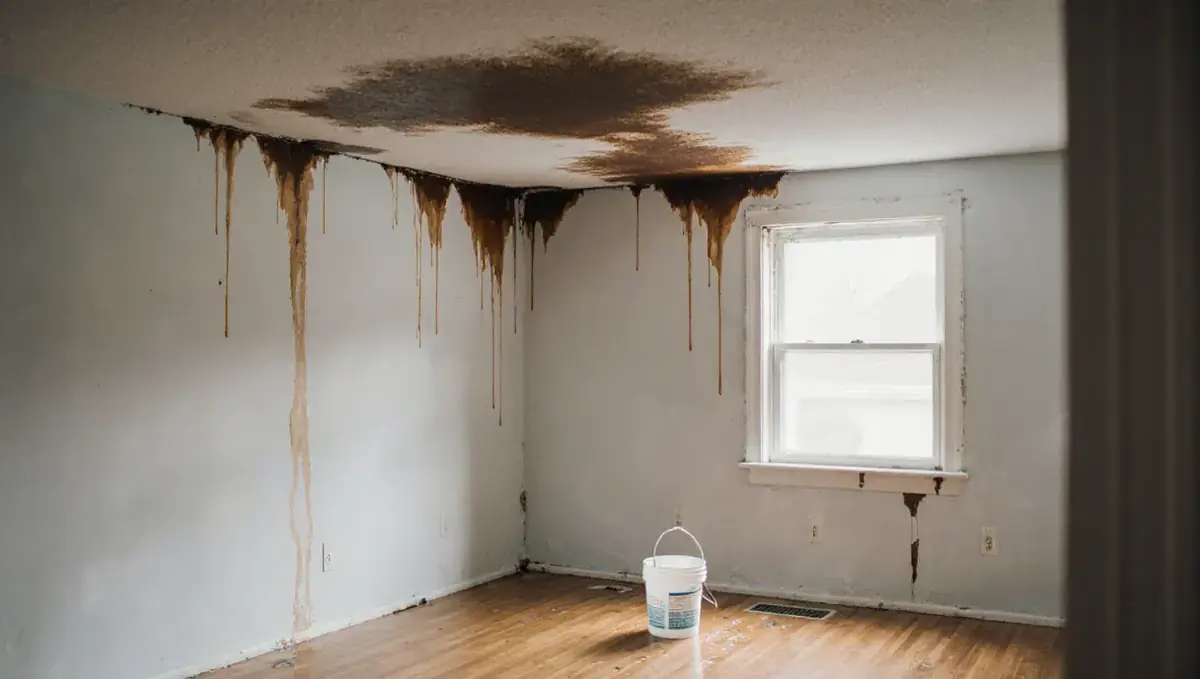
Storms like these rarely flood a building from the ground up. Instead they tear off shingles, break windows and drop limbs through roofs, and rain does the rest. Attic insulation soaks up water, ceilings sag, and walls wick moisture downward. That is why storm damage cleanup in Columbus usually pairs exterior repairs with interior drying.
Late-Winter Rain and Moisture in the Walls
Columbus averages about 56.64 inches of precipitation a year, and February is typically the wettest month at around 5.69 inches. That puts some of the heaviest rain in the same season as early severe weather.
Cool, damp weather slows evaporation, so a wet crawlspace or a soaked wall cavity can stay wet for weeks without help. Signs worth checking after a stretch of rain include musty odors, buckled flooring, stains along the base of walls and moisture on crawlspace framing. Professional structural drying targets those hidden areas with dehumidifiers and air movers.
Protecting the House in the First Hour
- Make it safe. After a storm, watch for downed lines and damaged gas meters. Inside, stay out of standing water near electrical outlets or appliances.
- Stop water at the source. Close the main for plumbing leaks. Tarp roof openings only if you can do it from the ground or without risk.
- Catch ceiling water. Put buckets under drips. If a ceiling bulges, keep people out of the room underneath.
- Document first. Photograph every affected room and item before cleanup, and save receipts for tarps and emergency supplies.
- Bring in help. Call (888) 817-5061 and WaterQ will connect you with a local restoration professional for water extraction and drying.
How a Columbus Water Loss Gets Put Right
Assessment
The restoration crew identifies the water source and category. Clean supply-line water is Category 1. Rain that has run through roofing and insulation may be more contaminated, and floodwater from outdoors is handled as Category 3.
Removal
Extractors pull standing water from floors and carpet. Saturated ceiling drywall, insulation and carpet pad are often removed so the structure underneath can dry.
Drying
Moisture meters and thermal imaging guide equipment placement, and readings are logged until materials reach dry standards.
Repairs
Water damage repair then covers drywall, paint, flooring and cabinetry. For contractors doing that work or reroofing, check a license with the Mississippi State Board of Contractors through its online search; the board licenses residential and commercial contractors and roofers.
Mold Prevention After Storms and Leaks
Following EPA guidance, mold growth can start on materials that stay wet for 24 to 48 hours. In a storm-damaged house, the attic and the tops of walls are easy to overlook, and that is often where it shows up first.
When it comes to licensing, Mississippi does not offer a state license specifically for mold remediation, based on an industry roundup of state requirements, and the State Board of Contractors' homepage does not list a mold remediation license. Before hiring, ask about containment, training such as IICRC certification, insurance, and written clearance documentation. Find more detail on mold removal and cleanup.
Base Families, Campus Housing and Local Businesses
Columbus is home to Columbus Air Force Base, Mississippi University for Women and the Mississippi School for Mathematics and Science, and the 2020 census counted 11,492 housing units in the city. Across Lowndes County, about 37.8% of occupied homes are rented, so many water losses involve both a tenant and an owner. Renters should report leaks promptly in writing; the landlord's policy generally covers the building and a renters policy covers personal belongings.
For storefronts and offices downtown, a leak can mean lost business as well as repairs, so ask for a drying plan that works around operating hours. On the insurance side, standard policies generally exclude flood, which is covered through the NFIP or private flood insurance, and NFIP policies typically carry a 30-day waiting period. Keep photos, receipts and drying logs together. For flood cleanup or water damage restoration in Columbus, call (888) 817-5061. The same line connects callers in Starkville and Tupelo.
Columbus Sections and Nearby Lowndes County Areas
WaterQ's free line connects callers across Columbus and nearby parts of Lowndes County with independent local restoration companies.
Neighborhoods
- Downtown Columbus
- East Columbus
Nearby communities
- Mayhew
- Columbus Air Force Base
- Starkville
Columbus Water Damage FAQ
What part of Columbus is separated by Luxapalila Creek?
Luxapalila Creek runs through town and separates East Columbus from the rest of the city, though both are inside city limits. Properties near the creek or the Tombigbee River should check their FEMA flood zone.
Has Columbus been hit by tornadoes recently?
Yes. An EF3 tornado took a direct hit on Columbus in February 2019, causing severe damage to homes and businesses, and a November 2002 tornado damaged Mississippi University for Women.
Rain came in through my storm-damaged roof. Is that a flood claim?
Usually not. Rain entering through wind damage is generally handled under a homeowners policy, while rising water from outside is flood, which standard policies exclude. Check your own policy and document everything with photos.
Does Mississippi license mold remediation companies?
Based on an industry roundup of state requirements, Mississippi has no state license specifically for mold remediation, and the State Board of Contractors does not list one. Ask about training, insurance and clearance documentation.
Will WaterQ send its own workers to my Columbus property?
No. WaterQ is a free referral service, available 24/7, that connects you with an independent, local restoration company. That company handles the inspection and the work.
Local emergency and flood resources
Official sources for alerts, flood maps and preparedness in and around Columbus: