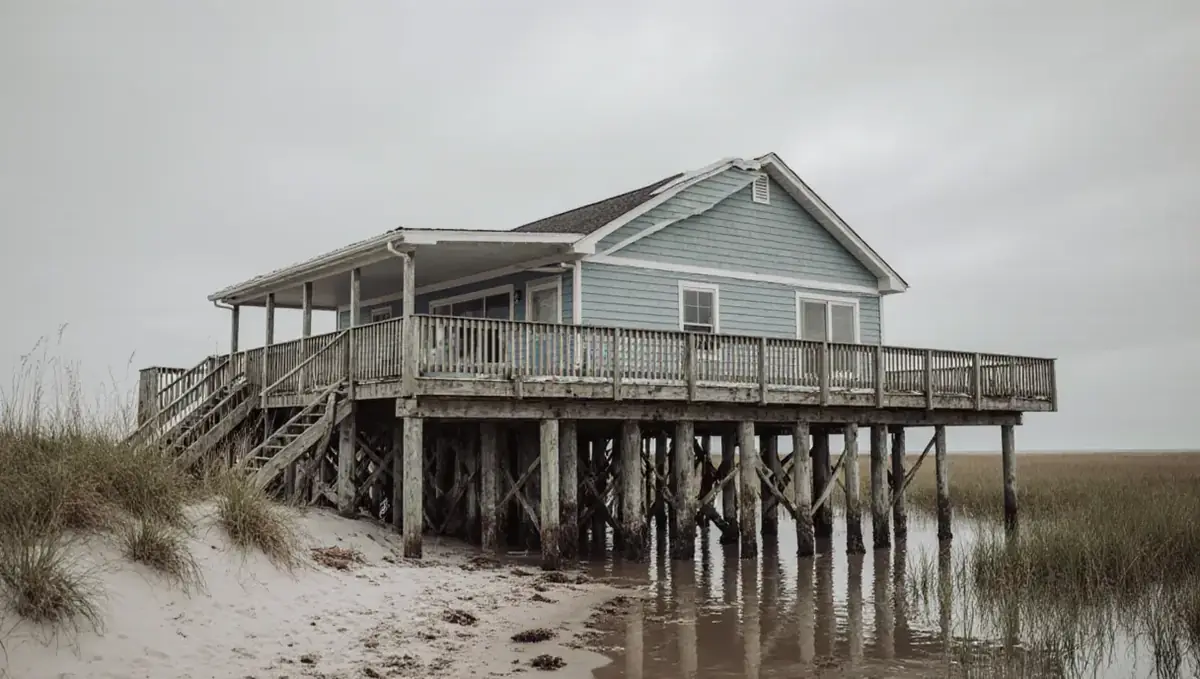
A Small Coastal City Facing the Sound
Long Beach sits on the Mississippi Sound between Gulfport and Pass Christian in Harrison County. The city covers roughly 14 square miles, and about 3.75 of those are water. Its average elevation is about 26 feet, but the beachfront, the harbor and the blocks closest to U.S. 90 are much more exposed than the higher ground to the north.
That geography explains most of the water damage calls here. The Sound brings surge during hurricanes, while heavy rain from ordinary frontal systems can overwhelm yards, slabs and drainage at any time of year. Inside the house, the usual suspects still apply: water heaters, washing machine hoses, ice maker lines and slow roof leaks.
Not Just Hurricanes: Winter and Spring Storm Floods
Many people assume flooding in Long Beach only happens during hurricane season. The city's own flooding fact sheet tells a different story. It reports eight property-damaging floods over a twenty-year span, and six of them came from winter or spring storms. Only two were tied to hurricanes, in 1998 and 2005.
The same fact sheet points out that a quarter of flood insurance claims come from areas not considered high risk. A home outside a mapped Special Flood Hazard Area can still take on water when a slow-moving storm stalls over the coast.
- Keep gutters, downspouts and the storm drain in front of your house clear of leaves and sand.
- Store valuables and paperwork off the floor in ground-level rooms and garages.
- Sign up for city alerts through Nixle, and follow WLOX TV, K99 FM or NOAA weather radio, as the city recommends.
When rain does get inside, flood cleanup should start as soon as it is safe, because wet drywall and flooring do not dry on their own in coastal humidity.
Katrina's Surge and What It Changed in Long Beach
The National Hurricane Center's report on Hurricane Katrina describes a surge of 24 to 28 feet centered on St. Louis Bay, covering Waveland, Bay St. Louis, Pass Christian and Long Beach. A height of 25.7 feet was measured at Long Beach. Almost every building within roughly 1,600 feet of the shoreline was destroyed, and many residents were displaced for a long time.
Hurricane Camille in 1969 had already shown what the Sound can do, with a 24.6-foot surge at neighboring Pass Christian. Since Katrina, rebuilding has followed FEMA-based building codes, and many newer homes near the water sit on raised foundations.
Surge water should always be treated as contaminated (Category 3). After a storm, storm damage cleanup usually means removing soaked insulation, drywall and flooring, cleaning and sanitizing framing, and only then drying and rebuilding.
Steps to Take Before the Restoration Company Arrives
- Make it safe. If water is near outlets, cords or the electrical panel, stay out of the area. Shut off power at the breaker only if you can reach it while standing on dry ground.
- Stop the source. Close the main water valve for a plumbing leak. For rising water from outside, focus on moving people, pets and vehicles to higher ground.
- Photograph before you clean. Capture water lines on walls, damaged furniture and the source of the leak. Keep receipts for tarps, fans or emergency supplies.
- Lift and remove. Pull rugs, cushions, papers and electronics out of wet rooms. Set furniture legs on blocks or foil.
- Make the call. Phone (888) 817-5061 any time, day or night, and we will connect you with a local restoration professional for emergency water extraction.
Keep children and pets away from outdoor floodwater, which can hide debris and carry sewage.
Extraction, Drying and Rebuilding a Long Beach Home
The local company you are connected with will usually start with an inspection and moisture readings. Bulk water comes out first with portable or truck-mounted extractors, followed by removal of carpet pad and any materials that cannot be saved.
Next comes structural drying. Air movers push air across wet surfaces while dehumidifiers pull moisture out of the room. On the Gulf Coast, dehumidification matters a great deal, since outdoor air rarely helps. Technicians recheck readings until walls, subfloors and framing reach dry standards.
The final phase is water damage repair: new drywall, trim, flooring and cabinets. If repairs are large, check with the city's Building Permit Office first. Long Beach applies its flood hazard rules to renovations exceeding 50 percent of a building's pre-renovation value, which can affect how and where you rebuild.
Mold After Water Damage in Coastal Humidity
The EPA notes that mold may take hold on wet building materials in as little as 24 to 48 hours. In a humid coastal town, a closed-up house after a storm can develop musty odors and visible growth quickly, especially behind baseboards and under vinyl or laminate.
Mississippi does not have a state license specifically for mold remediation, according to an industry roundup of state requirements, and the Mississippi State Board of Contractors' homepage does not list one. That makes your own vetting more important. Ask any company about its training (for example IICRC certification), its insurance, how it sets up containment and whether it provides written moisture and clearance documentation.
For bigger jobs, read more about mold removal and why containment keeps spores out of clean rooms.
Flood Policies, Wind Claims and Records That Help
Long Beach's flood fact sheet is blunt: standard homeowners policies do not cover flooding. Flood coverage comes from the National Flood Insurance Program or a private flood policy, and an NFIP policy generally has a 30-day waiting period, so buying one after a storm forms is usually too late. Wind and wind-driven rain are typically handled under a homeowners or windstorm policy, which is why adjusters often ask what came first.
- Report the loss promptly and write down claim numbers and adjuster names.
- Save the restoration company's moisture logs, photos and drying reports.
- Verify a repair contractor's license with the Mississippi State Board of Contractors before signing.
- Look up your flood zone on FEMA's map service center before you buy or renovate.
WaterQ cannot predict how an insurer will rule on a claim. It can help you reach a local company that documents the job carefully. Call (888) 817-5061 to get started.
Homes, Rentals and Businesses Along U.S. 90
Long Beach had about 7,348 housing units as of the 2020 census, a mix of older inland homes and rebuilt or raised properties closer to the water. Rentals, small offices and shops along the beachfront and downtown near Jeff Davis Avenue face the same risks, with the added pressure of tenants and lost business days.
Property owners and managers can use the same 24/7 line to be connected with a provider for commercial water damage restoration in Long Beach, from a flooded storefront to a leaking roof over a rental unit. Neighbors in Gulfport and Bay St. Louis can find help through their own pages.
Long Beach Areas and Nearby Coast Communities
The free WaterQ referral line connects callers throughout Long Beach and nearby Harrison and Hancock County communities with independent local restoration companies.
Neighborhoods
- Downtown Long Beach (Jeff Davis Avenue)
- Long Beach Harbor area
- Beachfront along U.S. 90
- Greenvale area
Nearby communities
- Gulfport
- Pass Christian
- Diamondhead
- Bay St. Louis
- Waveland
- Biloxi
- Saucier
- D'Iberville
- Lyman
Long Beach Water Damage FAQ
Does Long Beach only flood during hurricanes?
No. The city's flooding fact sheet lists eight property-damaging floods over twenty years, and six of them came from winter or spring storms. Only two were caused by hurricanes.
How high was Hurricane Katrina's storm surge in Long Beach?
The National Hurricane Center's Katrina report lists a surge of 25.7 feet at Long Beach, part of a 24 to 28 foot surge centered on St. Louis Bay.
Do I need a permit to rebuild after water damage in Long Beach?
Often, yes, for significant repairs. The city applies its flood hazard regulations to new construction and to renovations exceeding 50 percent of a building's pre-renovation value. Contact the Building Permit Office at 228-863-1554 before major work.
Is mold remediation licensed in Mississippi?
Mississippi does not appear to have a state license specifically for mold remediation, based on an industry roundup of state requirements. Ask companies about training, insurance, containment methods and written clearance documentation.
Is WaterQ the company that does the work?
No. WaterQ is a free referral service available 24/7. It connects you with an independent local restoration company, and that company handles the inspection, cleanup and repairs.
Local emergency and flood resources
Official sources for alerts, flood maps and preparedness in and around Long Beach: