Across Biloxi Bay: How Ocean Springs Meets the Water
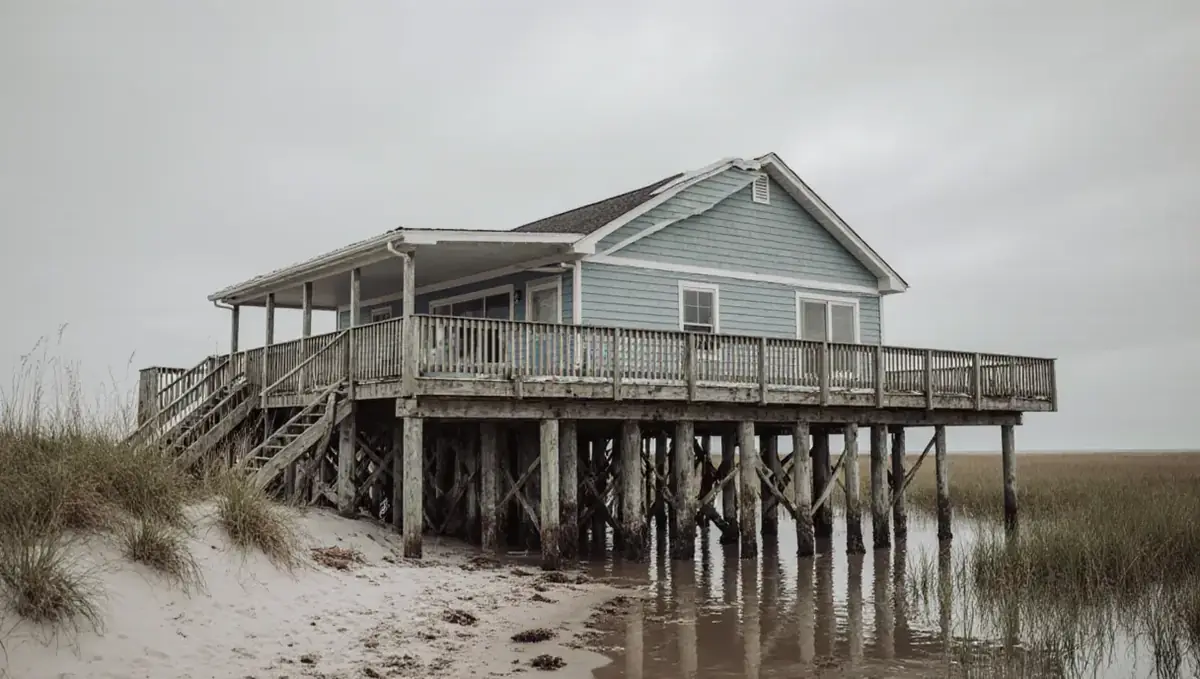
Ocean Springs sits on the east side of Biloxi Bay, about two miles from Biloxi, with the Mississippi Sound along its southern edge. The city covers about 15 square miles, and nearly a quarter of that is water. Much of the town is only around 23 feet above sea level, and Davis Bayou, home to a unit of Gulf Islands National Seashore, cuts in from the bay. Horn Island guards the Sound roughly twelve miles offshore.
Homes here usually take on water in one of a few ways:
- Hurricane surge pushing in from the bay and the Sound.
- Summer thunderstorms that drop heavy rain in a short time.
- Roof and window leaks from wind-driven rain.
- Everyday plumbing failures, such as water heaters, toilet supply lines and dishwasher hoses.
Each one calls for a slightly different response, but all of them benefit from fast action.
A Shoreline Shaped by Camille and Katrina
Jackson County was severely damaged by Hurricane Camille in August 1969 and again by Hurricane Katrina on August 29, 2005. Camille damaged the bridge across Biloxi Bay that came before the 1962 span. Katrina then destroyed that 1962 Biloxi Bay Bridge, along with many buildings along the Ocean Springs shoreline, including the Ocean Springs Yacht Club and the wooden replica of Fort Maurepas.
The National Hurricane Center put Katrina's surge at 17 to 22 feet along the eastern Mississippi coast from Gulfport to Pascagoula. Those numbers explain why bayfront and Sound-side property owners take evacuation orders and flood coverage seriously.
For more on what happens after a major storm, see our pages on storm damage cleanup and flood damage restoration.
Rainy Summers and Slow Drying
Ocean Springs averages a little over 65 inches of precipitation a year, and June and July are the wettest months at about 7.1 inches each. Frequent afternoon thunderstorms can overwhelm gutters, soak attic insulation through a weak spot in the roof, or send water under a door at ground level.
The same humid air that feeds those storms slows drying inside. A carpet that would dry in a day somewhere else can stay damp much longer here without dehumidifiers. That is why water damage repair in Ocean Springs usually starts with controlled drying rather than jumping straight to new drywall and paint. Our structural drying page explains the equipment and readings involved.
Steps to Take While You Wait for a Restoration Company
- Put safety first. If water has reached outlets or the electrical panel, stay out of the area. Do not enter a storm-damaged structure that looks unstable.
- Stop the inflow. Shut the main water valve for a plumbing leak. For a roof leak, catch drips and move belongings out from under the wet ceiling.
- Know your water. Clean water from a supply line is Category 1. Surge, bayou overflow and sewer backups are Category 3 and should be treated as contaminated.
- Take pictures. Before anything is moved, get clear photos of where the water came in, how high it rose on the walls and each ruined item.
- Save what you can. Move photos, papers, electronics and small rugs to a dry room.
- Make the call. Dial (888) 817-5061 and we will connect you with an independent local restoration professional for water extraction and drying.
Restoration Work From Pump-Out to Final Repairs
Assessment
The restoration company identifies where the water came from, what category it is, and how far it spread. Moisture meters and thermal imaging help find wet areas behind walls and under floors.
Water removal
Extractors and pumps remove standing water. With floodwater, mud and debris are cleared and saturated carpet and pad are usually discarded.
Drying and cleaning
Wet drywall and insulation may be cut out so cavities can dry. Surfaces touched by contaminated water are cleaned and sanitized, then air movers and dehumidifiers run until readings reach dry goals.
Rebuild
Drywall, trim, flooring and cabinets are replaced once the structure is confirmed dry. Before signing a rebuild contract, check the contractor on the Mississippi State Board of Contractors' online search. See water damage repair for details.
Keeping Mold Out of a Coastal Home
Following EPA guidance, mold can start to grow on wet building materials within 24 to 48 hours. With Ocean Springs summers as warm and damp as they are, that clock starts the moment water stops spreading. Drying quickly and removing materials that cannot be saved are the best ways to keep mold from taking hold.
Mississippi does not have a state license for mold remediation, according to an industry roundup of state requirements, and the State Board of Contractors' homepage lists no such license. Since there is no state credential to check, ask any mold cleanup company in Ocean Springs about its training, such as IICRC certification, and request written moisture and clearance documentation. Learn more on our mold removal page.
Coverage Questions for Bayfront and Inland Owners
Standard homeowners policies generally exclude flood, so surge and rising water fall to an NFIP or private flood policy. A new NFIP policy typically has a 30-day waiting period, which means coverage should be in place well before a storm enters the Gulf. Wind-driven rain through a damaged roof is usually handled separately.
- Look up your property on the FEMA Flood Map Service Center, even if you live away from the water.
- Report damage to your insurer promptly and keep photos, receipts and drying logs together.
- Use the city's online permits section before major repairs.
- Sign up for the City of Ocean Springs Alert Center for local notices.
Downtown shops, restaurants and offices can call (888) 817-5061 for help with commercial water losses too. Residents across the bay in Biloxi or east in Gautier can use the same free line. WaterQ cannot predict how an insurer will rule, but good records make the process smoother.
Ocean Springs Areas and Nearby Jackson County Communities
Our free referral line connects callers in Ocean Springs and nearby Jackson and Harrison County communities with independent local restoration providers.
Neighborhoods
- Downtown Ocean Springs
- Biloxi Bay shoreline
- Davis Bayou area
- Jackson Avenue area
- Fort Maurepas waterfront
Nearby communities
- Biloxi
- Gautier
- St. Martin
- Vancleave
- D'Iberville
- Moss Point
- Pascagoula
- Escatawpa
- Gulfport
Ocean Springs Water Damage FAQ
What happened in Ocean Springs during Hurricane Katrina?
Katrina's surge destroyed the Biloxi Bay Bridge connecting Ocean Springs and Biloxi, along with many shoreline buildings such as the Ocean Springs Yacht Club and the Fort Maurepas replica. The National Hurricane Center reported surge of 17 to 22 feet along the eastern Mississippi coast.
How rainy is Ocean Springs?
The city averages about 65 inches of precipitation a year. June and July are the wettest months, at roughly 7.1 inches each, mostly from thunderstorms.
Will my homeowners policy pay for surge damage in Ocean Springs?
Usually not. Standard homeowners policies generally exclude flood, including storm surge. That coverage comes from an NFIP or private flood policy, and NFIP policies typically have a 30-day waiting period.
Is there a state mold license I can check in Mississippi?
According to an industry roundup of state requirements, Mississippi does not have a mold remediation license, and the State Board of Contractors does not list one. Ask about training such as IICRC certification and request clearance documentation.
Does WaterQ perform the restoration work?
No. WaterQ is a free referral service available 24/7 that connects you with an independent, local restoration company. That company handles the assessment and the work.
Local emergency and flood resources
Official sources for alerts, flood maps and preparedness in and around Ocean Springs: