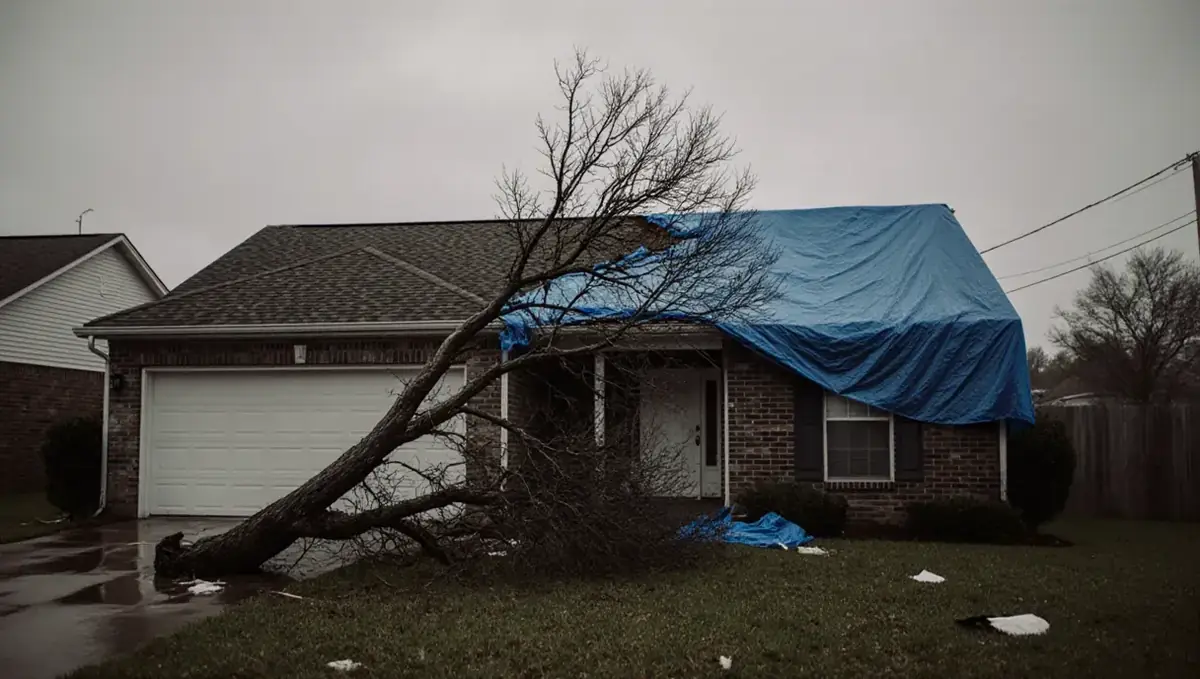
A Northeast Mississippi City With a Long Tornado Record
Tupelo sits in Lee County, about halfway between Memphis and Birmingham, at roughly 279 feet above sea level. Of its 64.68 square miles, only about 0.30 square miles is water, so the biggest threats here are not a big river or a coastline. They come from the sky.
The city's history makes that clear. On the night of April 5, 1936, an F5 tornado leveled 48 city blocks and more than 200 homes on the north side, killing 216 people. It remains one of the deadliest tornadoes in U.S. history. Since then Tupelo has been hit by an EF3 in May 2008, a large EF3 on April 28, 2014, and two EF1 tornadoes on May 2, 2021, the second of which struck the northwest side of downtown.
Each of those storms left behind the same kind of secondary damage: torn roofs, broken windows and rain pouring into homes that were otherwise still standing. That is where water damage in Tupelo often begins.
Rain Totals That Keep Wet Materials Wet
Tupelo averages about 57.74 inches of precipitation a year. December is usually the wettest month, and February through May are also especially wet, which overlaps with the heart of spring severe weather. September and October tend to be the driest stretch.
Heavy single-day totals happen too. The city's rainiest day on record, March 21, 1955, brought 9.40 inches. Downpours like that can overwhelm gutters, back up drains and push water under doors or into crawlspaces and garages.
When a house takes on water in a wet month, the air outside offers little help with drying. Professional structural drying with dehumidifiers and air movers is usually what gets framing, subfloors and drywall back to normal moisture levels.
After the Sirens: Securing a Storm-Damaged Home
Once a storm has passed and it is safe to go outside, the goal is to keep more water from getting in and to protect your claim:
- Check for hazards first. Stay away from downed lines, and do not enter rooms with standing water near outlets or appliances until power is off at a breaker you can reach safely.
- Photograph before you move anything. Capture the roof, ceilings, walls, flooring and damaged belongings from several angles.
- Stop new water. Shut off the main if a pipe broke. Cover open roof areas or broken windows with tarps if you can do it without climbing in unsafe conditions.
- Pull out what you can. Move rugs, electronics, papers and furniture away from wet areas.
- Keep receipts. Tarping, plastic sheeting and emergency water extraction are usually costs you will want documented.
- Get help lined up. Call (888) 817-5061 and we connect you with a local restoration professional for storm damage cleanup and drying.
What Happens During a Tupelo Restoration Job
Most water damage restoration in Tupelo follows a predictable path, though every house is different.
Inspection and water category
The restoration crew identifies where the water came from. A clean supply line is Category 1. Rain that has passed through roofing, attic insulation and ceilings can pick up contaminants, and outdoor floodwater is treated as Category 3.
Water removal
Portable or truck-mounted equipment handles emergency water removal from carpet, pad and hard floors. Wet ceiling drywall and insulation that have sagged are often removed before they fall.
Drying and monitoring
Moisture meters and thermal imaging map wet areas inside walls and floors. Equipment runs until readings reach dry standards, with daily checks recorded for the file.
Rebuild
After drying is confirmed, water damage repair covers drywall, paint, flooring, trim and cabinets. Roof repairs after a storm are often handled by a separate roofing contractor.
Mold, Humidity and Mississippi's Rules
Per EPA guidance, mold may start to form on damp building materials in as little as 24 to 48 hours, so a wet attic after a roof breach or a damp crawlspace after a long rainy spell can quietly support growth well before anyone sees it.
Mississippi does not have a state license specifically for mold remediation, according to an industry roundup of state requirements, and the Mississippi State Board of Contractors' homepage does not list a mold remediation license. That makes it worth asking any company for its insurance, training such as IICRC certification, and written moisture and clearance documentation.
For contractors who will rebuild or reroof, the Mississippi State Board of Contractors licenses residential and commercial contractors and roofers, and you can look one up through its online contractor search. Read more about mold removal and containment.
Claims, Coverage and Flood Policies in Lee County
- Wind versus flood. Rain entering through a storm-damaged roof is usually handled under a homeowners policy, while rising water from outside generally is not. Standard policies exclude flood.
- Flood coverage. Flood insurance comes through the NFIP or private carriers, and a new NFIP policy typically has a 30-day waiting period. The City of Tupelo points residents to FloodSmart.gov for details.
- Document as you go. Save photos, drying logs, moisture readings and receipts for tarps and emergency work.
- Questions about a claim. The Mississippi Insurance Department is the state regulator if you need help with an insurer.
WaterQ cannot predict how an adjuster will rule, but a clear record helps. To be connected with a local restoration company that can document the loss, call (888) 817-5061.
Homes, Rentals and Businesses Across Tupelo
The 2020 census counted 17,102 housing units in Tupelo, with a mix of owner-occupied homes and a sizable rental market. Landlords and tenants should both notify each other quickly after a leak, since the owner's policy and the renter's policy usually cover different things.
Shops, offices and restaurants around downtown and the Fairpark District face the same storm and plumbing risks as houses, plus the cost of being closed. Commercial jobs often call for drying plans that work around business hours and protect inventory.
From a flooded garage after a spring downpour to flood cleanup in a ground-floor office, callers across the area can reach local pros through one line. WaterQ also connects callers to the south in Starkville and Columbus.
Tupelo Districts and Lee County Towns Nearby
WaterQ's free referral line connects callers in Tupelo and the surrounding Lee County area with independent local restoration companies.
Neighborhoods
- Downtown Tupelo
- Fairpark District
Nearby communities
- Saltillo
- Verona
- Shannon
- Plantersville
- Nettleton
- Guntown
- Baldwyn
- Sherman
- Blue Springs
- Brices Cross Roads
Tupelo Water Damage FAQ
A tornado damaged my Tupelo roof and rain got inside. What should I do first?
Make sure the area is safe, stay clear of downed lines and wet electrical areas, and photograph the damage before moving anything. Cover openings with tarps if it is safe, keep receipts, and call (888) 817-5061 to be connected with a local restoration company for water removal and drying.
How wet is Tupelo's climate?
Tupelo averages about 57.74 inches of precipitation a year. December is usually the wettest month and February through May are also very wet, while September and October tend to be driest.
How can I get weather warnings in Tupelo?
The City of Tupelo's website links to a CodeRED sign-up for weather warnings from the local emergency response team. It is also wise to keep a NOAA weather radio or phone alerts turned on during storm season.
Does Mississippi require a license for mold remediation?
According to an industry roundup of state requirements, Mississippi does not have a state license specifically for mold remediation, and the State Board of Contractors does not list one. Ask companies about training, insurance and written clearance documentation.
Is WaterQ a restoration contractor in Tupelo?
No. WaterQ is a free referral service. The line is available 24/7 and connects you with an independent, local restoration company that inspects the damage and does the work.
Local emergency and flood resources
Official sources for alerts, flood maps and preparedness in and around Tupelo: